



What's Happening?
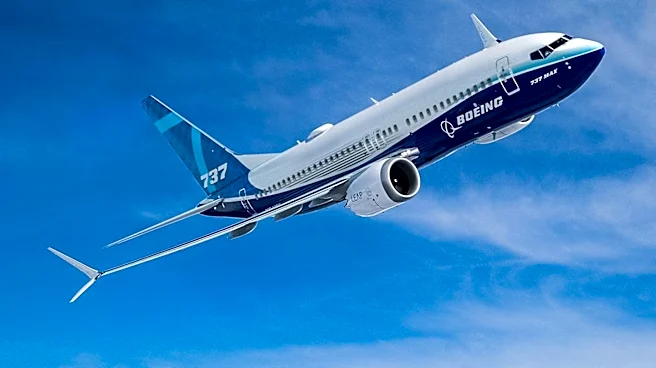
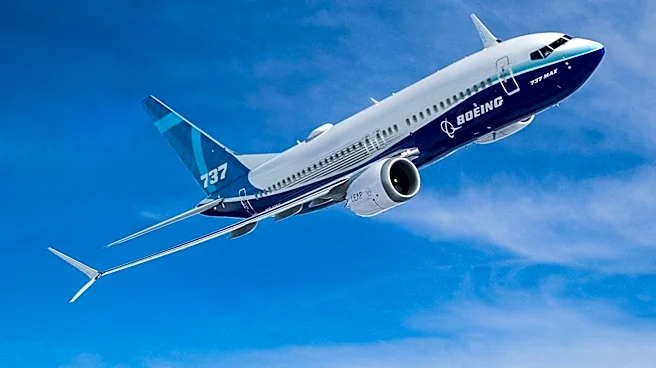
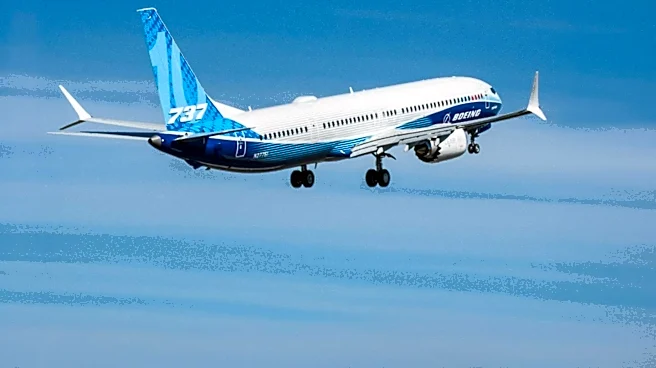
The Federal Aviation Administration (FAA) has issued a directive for inspections on hundreds of Boeing 737 MAX jets registered in the U.S. due to potential seat installation issues. The directive follows reports that some passenger seat assemblies may
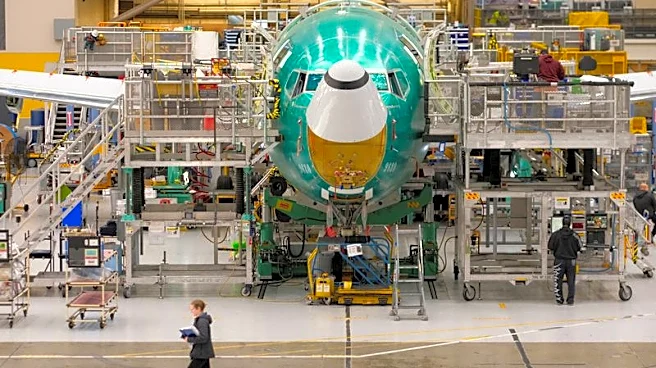
not be correctly installed, posing risks during emergency landings. The FAA's proposed airworthiness directive applies to 453 jets in the U.S., with foreign regulators likely to follow suit. Boeing has acknowledged the issue and supports the FAA's directive. The inspections are part of ongoing efforts to improve production quality and safety standards for the 737 MAX fleet.
Why It's Important?
The FAA's directive is crucial for ensuring passenger safety and maintaining confidence in the Boeing 737 MAX, a model that has faced scrutiny in the past. The potential seat installation issue could lead to injuries or hinder evacuations during emergencies, making the inspections vital for preventing accidents. The directive also reflects the FAA's commitment to rigorous safety standards and oversight in the aviation industry. For Boeing, addressing these issues is essential for restoring trust and ensuring the continued operation of its aircraft. The inspections may impact airline operations, but they are necessary for long-term safety and reliability.
What's Next?
Airlines operating the affected Boeing 737 MAX jets will need to conduct inspections and make necessary corrections to seat installations. The FAA will monitor compliance and ensure that safety standards are met. Boeing will continue to work with airlines and regulators to address any production quality issues and enhance safety measures. The aviation industry will closely watch the implementation of the directive and its impact on operations. Ongoing communication between the FAA, Boeing, and airlines will be essential to ensure a smooth and effective inspection process.