




What's Happening?
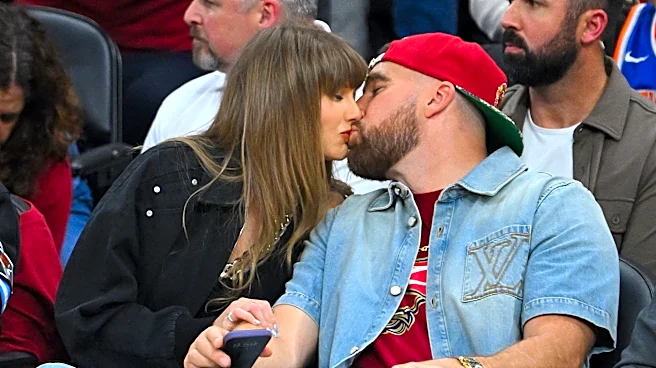
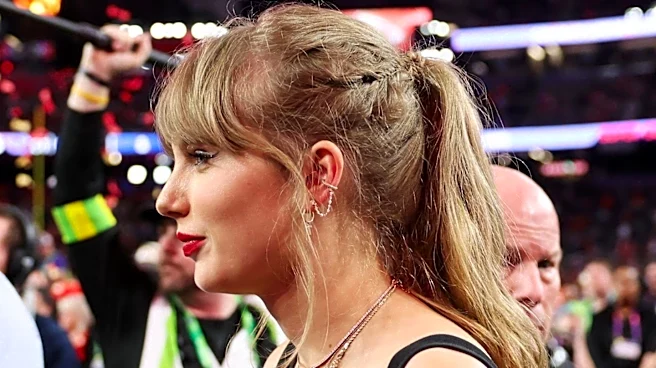
During a recent episode of 'The Tonight Show,' host Jimmy Fallon presented a series of fabricated NFL promotional advertisements, humorously suggesting the league's efforts to entice Taylor Swift's fanbase to watch a Chiefs game she did not attend. Fallon's
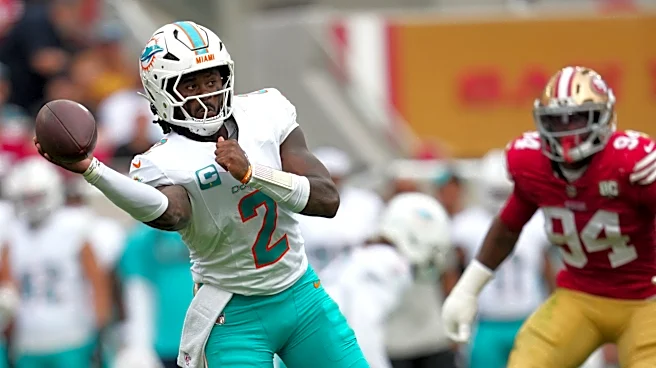
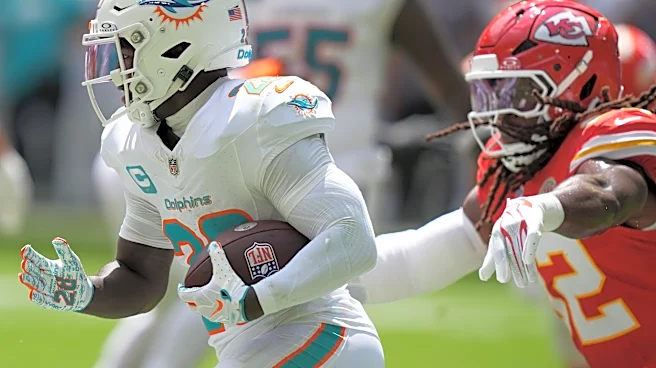
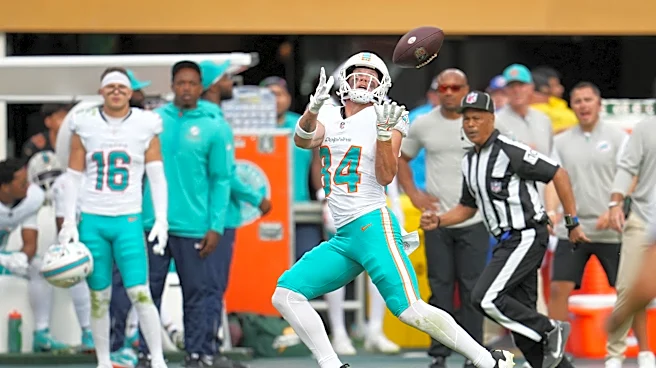
monologue highlighted the perceived 'bait-and-switch' tactics, where the fake ads promised the presence of 'Taylor' or a 'giant star with the initials T.S.' only to reveal lesser-known individuals or even a brand of lettuce. For instance, one ad teased 'Taylor' would be there, then identified Dolphins cornerback Reese Taylor. Another promised a 'giant star' with initials T.S., referring to Chiefs offensive guard Trey Smith. A third ad claimed 'a certain Taylor will be there,' revealing 'Taylor Farms lettuce.' These segments were created by 'The Tonight Show' team and were not actual NFL broadcasts, serving as a comedic commentary on the cultural phenomenon surrounding Taylor Swift's association with NFL games.
Why It's Important?
This comedic segment by Jimmy Fallon underscores the significant cultural and economic impact of celebrity endorsements and appearances, particularly in the realm of sports and entertainment. The hypothetical scenario of the NFL attempting to leverage Taylor Swift's popularity, even in her absence, highlights the immense drawing power of high-profile figures. For the NFL, attracting new demographics, such as Swift's predominantly female and younger fanbase, represents a substantial opportunity for increased viewership and revenue. The humor in Fallon's bit stems from the absurdity of such overt and misleading marketing, yet it also reflects a real-world trend where sports leagues and brands actively seek to capitalize on celebrity influence. This situation illustrates how popular culture figures can inadvertently become central to marketing strategies, influencing audience engagement and potentially shifting viewership patterns for major sporting events.
What's Next?
While Fallon's segment was purely satirical, it could prompt further discussion within sports marketing circles about innovative and authentic ways to engage diverse audiences. The NFL and other sports leagues may continue to explore strategies to broaden their appeal beyond traditional fan bases, potentially through genuine collaborations with cultural icons rather than perceived 'bait-and-switch' tactics. For 'The Tonight Show,' this type of topical humor is likely to continue, as it resonates with current events and pop culture trends, maintaining viewer engagement. The ongoing intersection of celebrity culture and major sporting events will likely remain a fertile ground for both genuine marketing efforts and comedic commentary, influencing how future events are promoted and consumed.
Beyond the Headlines
The deeper implication of Fallon's sketch touches upon the evolving landscape of media consumption and the blurred lines between entertainment, sports, and celebrity culture. The 'Swiftie' phenomenon in the NFL demonstrates how a single celebrity's association can dramatically alter viewership demographics and media narratives. This highlights a broader trend where traditional institutions, like professional sports leagues, are increasingly reliant on external cultural forces to maintain relevance and attract new audiences. It also raises questions about the authenticity of fan engagement versus manufactured hype. The segment, while humorous, subtly critiques the potential for superficial marketing to overshadow the core product, in this case, the sport itself. This dynamic reflects a larger societal shift where cultural influence often dictates attention and economic value, prompting industries to adapt their strategies to a celebrity-driven media environment.