




What's Happening?
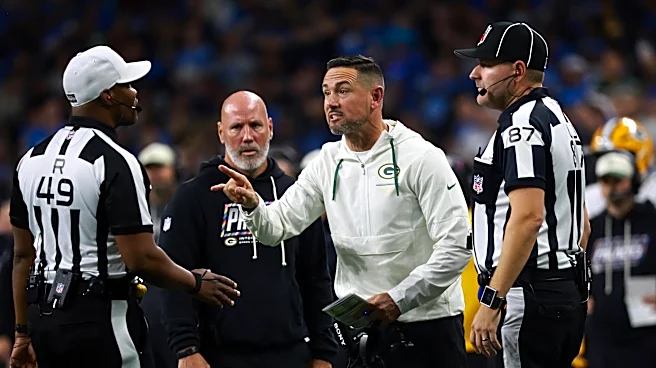
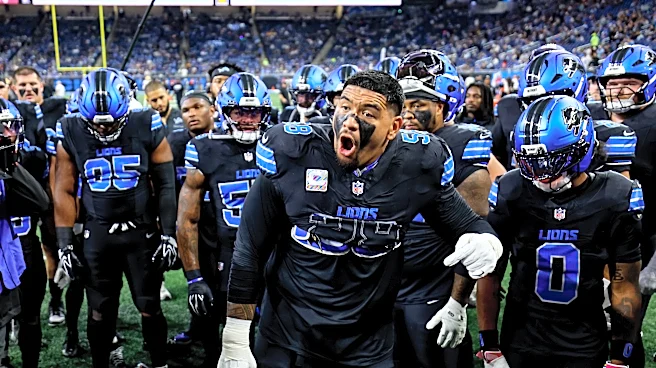
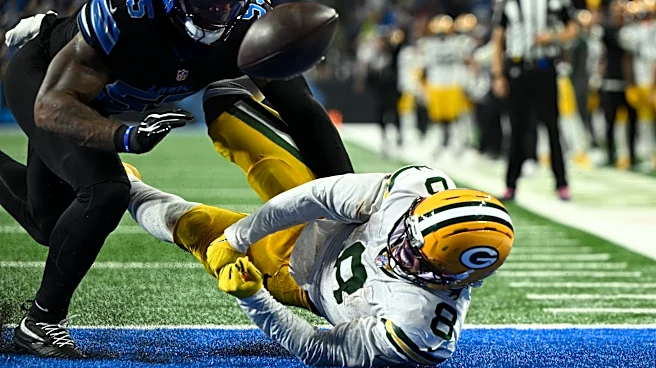
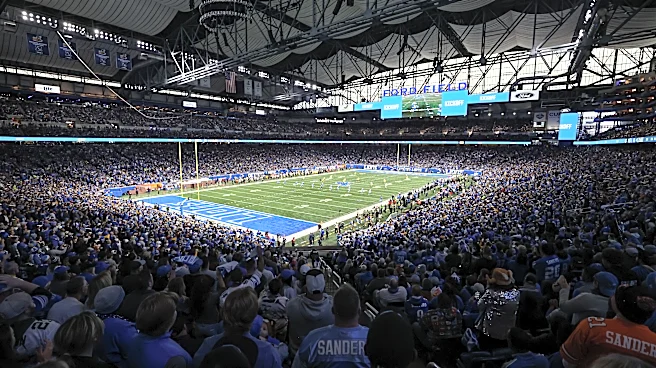
FOX NFL sideline reporter Erin Andrews recently shared insights into a challenging halftime report during the Detroit Lions-Green Bay Packers game. Speaking on her 'Calm Down' podcast with co-host Charissa Thompson, Andrews explained that the unusually
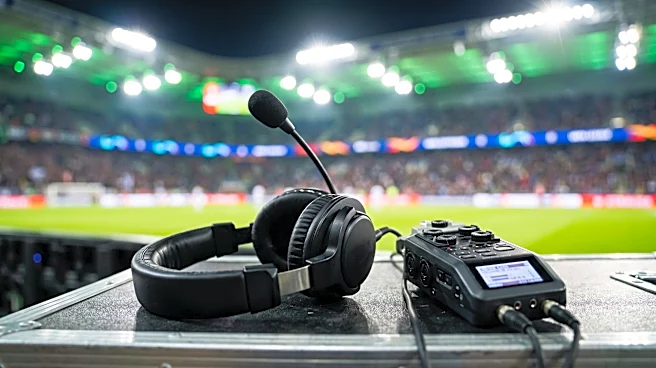
long ramp at Ford Field in Detroit led to her having more interview time than anticipated with Packers head coach Matt LaFleur. This extended interview meant she had less time to prepare her on-air report. Andrews typically records her conversations with coaches to ensure accuracy, a practice she adopted in recent years to avoid misquoting. However, the tight turnaround and the need to gather injury updates from PR staff left her out of breath and feeling flustered when she went live. Despite her internal struggles and feeling that she 'sh*t down her leg,' the on-air report appeared largely normal to viewers, highlighting the pressures and rapid execution required in live sports broadcasting.
Why It's Important?
This incident underscores the intense, high-pressure environment faced by sideline reporters in professional sports. It reveals the often-unseen logistical hurdles and split-second decision-making required to deliver accurate and timely information during live broadcasts. For networks like FOX, the professionalism and adaptability of their on-air talent are crucial for maintaining broadcast quality, even when unexpected challenges arise. The reliance on quick thinking and established routines, such as recording interviews, is vital for reporters to manage the demanding pace. This situation also offers a glimpse into the human element of live television, where even seasoned professionals like Andrews can feel overwhelmed, yet are expected to maintain composure and deliver seamlessly to a national audience. It highlights the significant effort behind what appears to be effortless reporting.
What's Next?
The discussion initiated by Erin Andrews and Charissa Thompson on their podcast may lead to increased awareness and appreciation for the demanding nature of sideline reporting. While no immediate changes to broadcast protocols are indicated, such candid revelations often spark conversations within the industry about supporting on-air talent under pressure. Sideline reporters and production teams might review their contingency plans for unexpected delays or logistical issues, particularly in venues with unique layouts like Ford Field. For Andrews, her commitment to accuracy, as demonstrated by her practice of recording interviews, will likely continue. The incident serves as a reminder for broadcasters to be prepared for any scenario, reinforcing the need for robust preparation and quick adaptation in the fast-paced world of live sports.
Beyond the Headlines
Beyond the immediate challenges of a single halftime report, this event touches upon broader themes within sports media and the public perception of broadcasting roles. The candid admission from Andrews about feeling 'inappropriate' and 'out of breath' humanizes the often-glamorized role of a sideline reporter, revealing the physical and mental toll of the job. It also subtly highlights the evolving standards of transparency in media, where personalities are increasingly sharing behind-the-scenes struggles. This openness can foster a deeper connection with the audience, who gain a more realistic understanding of the complexities involved in live sports coverage. Furthermore, it implicitly raises questions about the infrastructure of sports venues and how they might impact broadcast operations, suggesting that design elements can have direct consequences on the efficiency and stress levels of media personnel.