


What's Happening?
Practical Feng Shui tips are being shared to help individuals integrate principles of energy alignment and spatial harmony into their daily lives. These tips, rooted in traditional principles and modern insights, aim to create spaces that support personal
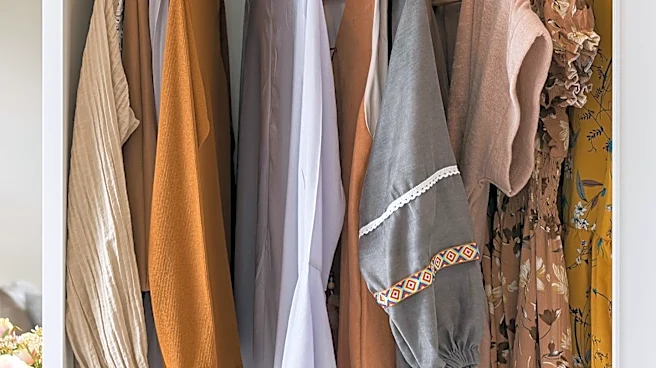
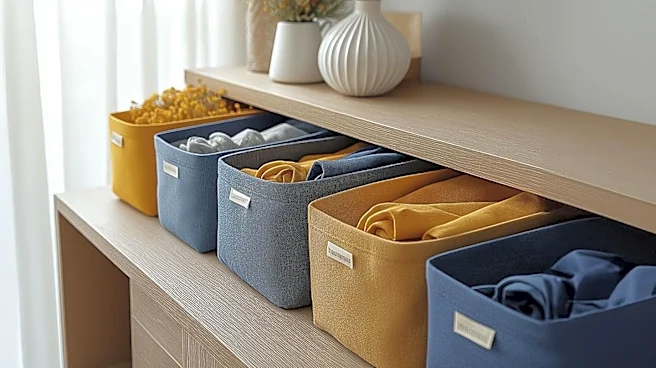
growth, health, prosperity, and overall well-being. Key recommendations include cleaning under the bed to remove stagnant energy, decluttering old and broken clothes, and avoiding placing family photos directly above the fireplace. Additionally, maintaining a clear main door is emphasized as it is considered the 'mouth of chi,' allowing positive energy to enter. For dining areas, using round or oval tables is suggested to promote equality and harmony among those gathered. The overall focus is on balancing energies within homes by removing blockages and inviting positive vibrations.
Why It's Important?
The application of Feng Shui principles in home organization is important because it suggests a direct link between one's living environment and personal well-being. By addressing clutter and optimizing spatial arrangements, individuals may experience improvements in various aspects of their lives, including health, finances, and relationships. For instance, removing broken items or dead plants is believed to eliminate 'stalled energy' and prevent negative influences, while a clear main door is thought to facilitate the flow of opportunities and good fortune. This approach offers a holistic perspective on home management, where physical tidiness is seen as a reflection and catalyst for mental and emotional clarity, potentially leading to a more harmonious and productive lifestyle.
What's Next?
Individuals interested in applying these Feng Shui principles can begin by assessing their current living spaces for areas of clutter or stagnant energy. The recommendations suggest starting with simple actions like decluttering specific items such as old clothes, broken mirrors, or dead electronics. Future steps might involve re-evaluating furniture placement, particularly in high-traffic areas like dining rooms and entryways, to ensure optimal energy flow. The ongoing process involves maintaining cleanliness and intentional placement of objects to sustain positive 'chi.' This continuous engagement with Feng Shui principles aims to foster an environment that consistently supports personal goals and values, encouraging a proactive approach to home and self-improvement.
Beyond the Headlines
Beyond the immediate practical tips, the underlying philosophy of Feng Shui delves into the deeper connection between our surroundings and our inner states. It suggests that our homes are extensions of ourselves, reflecting and influencing our thoughts and emotions. This perspective encourages a mindful approach to living, where every object and its placement holds significance. The emphasis on energy flow, or 'chi,' highlights an ancient belief system that views the environment as a dynamic force impacting human experience. This goes beyond mere aesthetics, touching upon psychological and spiritual dimensions, where a balanced environment is seen as crucial for tapping into innate potential and manifesting intentions. It prompts a re-evaluation of how we interact with our living spaces, considering them as active participants in our journey towards well-being.