
What's Happening?
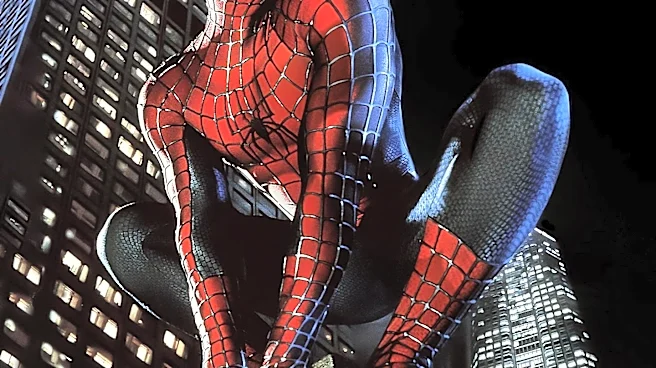
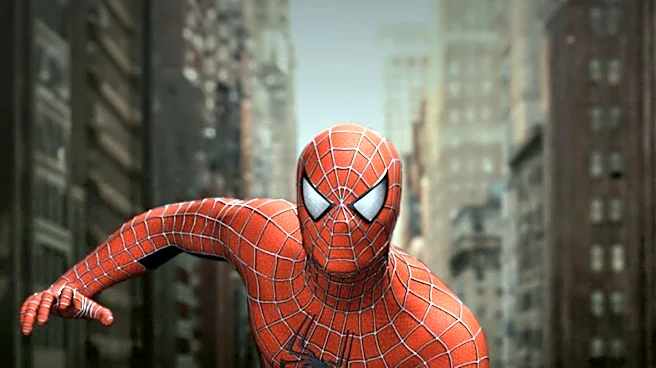
Actor Tom Holland has openly discussed the significant challenges and discomforts associated with wearing his Spider-Man suit in the Marvel Cinematic Universe. During an appearance on NBC’s Late Night
With Seth Meyers, Holland revealed that the full-body Lycra costume is so tight it prevents him from carrying a smartphone, leading him to develop the unusual skill of liking social media posts with his nose. The suit also makes simple actions like scratching an itch difficult. Furthermore, eating and drinking require creative solutions; Holland detaches one of the glass eyepieces to insert a straw for water and pushes the mask forward to consume snacks. A particularly notable issue is the necessity of wearing thongs underneath the costume for a smooth appearance, which Holland initially found uncomfortable. The most significant logistical problem involves bathroom breaks, which must be meticulously planned every 45 minutes due to the extensive process required to remove and re-don the suit. Despite these difficulties, Holland expressed satisfaction with his role and the final on-screen results.
Why It's Important?
This insight into the practicalities of superhero costuming highlights the often-unseen physical demands placed on actors in major film franchises. While audiences see a seamless portrayal of a superhero, the reality involves considerable personal discomfort and logistical planning for the performer. This information is important for understanding the behind-the-scenes efforts that contribute to the success of blockbuster movies, particularly those in the superhero genre, which rely heavily on elaborate costumes. It also sheds light on the dedication actors like Holland bring to their roles, enduring significant physical constraints to deliver authentic performances. For the entertainment industry, such details can influence future costume design, potentially leading to innovations that balance aesthetic requirements with actor comfort and practicality, thereby impacting production efficiency and actor well-being in high-budget productions.
What's Next?
While Tom Holland has expressed his willingness to continue facing these challenges for his role, the ongoing discussion about actor comfort in superhero suits may prompt costume designers and production teams to explore more ergonomic and practical solutions for future film projects. As the Marvel Cinematic Universe evolves and new characters and costumes are introduced, there could be a greater emphasis on integrating functionality with design to mitigate some of the issues Holland has highlighted. This could lead to advancements in costume technology, materials, or modular designs that allow for easier movement, access, and personal needs without compromising the visual integrity of the superhero aesthetic. The experiences shared by actors like Holland serve as valuable feedback for the industry, potentially influencing how future high-concept costumes are conceived and constructed to improve the working conditions for performers.
Beyond the Headlines
The challenges faced by Tom Holland in his Spider-Man suit extend beyond mere physical discomfort, touching upon the broader theme of the human element within highly stylized and technologically advanced cinematic productions. It underscores the contrast between the fantastical on-screen image and the very real, often mundane, physical limitations and needs of the human body. This situation can spark discussions about the ethical considerations of demanding such physical sacrifices from actors for the sake of visual perfection. It also highlights the meticulous planning and problem-solving required in film production, where even basic human needs become complex logistical puzzles. Culturally, it demystifies the glamour of Hollywood, revealing the rigorous and sometimes unglamorous work involved in bringing beloved characters to life, fostering a deeper appreciation for the craft and dedication of actors and production crews.