




What's Happening?
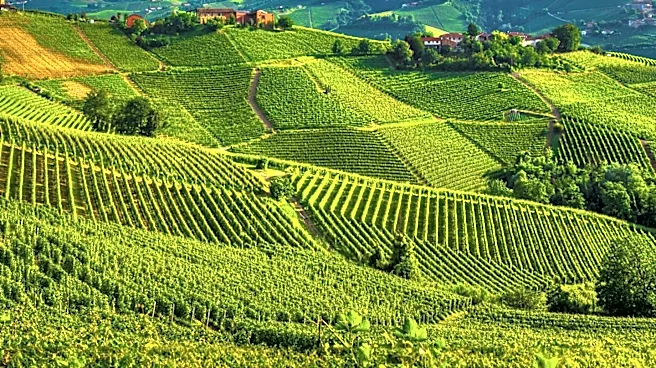
Italian wineries are experiencing a significant loss in wine tourism bookings because 71% of travel agencies report not receiving dedicated rates, according to Winedering’s Fine Wine Tourism Report 2026, as reported by Gambero Rosso. Despite strong traveler
interest, with 75% of agencies receiving requests for winery experiences, the lack of clear commercial terms from wineries is hindering sales. This disconnect means agencies struggle to package and sell wine tourism products effectively. The issue is not a lack of consumer demand but rather a commercial barrier, as wineries and travel agencies are not coordinating closely enough. This situation limits the ability of agencies to convert traveler interest into confirmed bookings, impacting both the wineries' potential revenue and the broader Italian tourism sector.
Why It's Important?
This situation is important because it highlights a significant missed economic opportunity for Italy's wine industry and its tourism sector. Wine tourism offers wineries a crucial way to diversify revenue beyond bottle sales, build brand recognition, and establish direct relationships with consumers who may become repeat buyers. When the agency channel, a key distribution network, is not functioning smoothly, this potential remains largely untapped. For the broader tourism industry, it means that a product with proven appeal is underutilized, leading to slower sales and lost opportunities for both wineries and tourism operators. The inability to provide clear pricing and conditions to travel agencies restricts market access for producers and limits the growth of a sector that connects production, place, and consumer experience.
What's Next?
To address this issue, Italian wineries will need to improve their coordination with travel agencies by providing dedicated rates and clear commercial terms. This would enable agencies to more effectively package and sell wine tourism experiences, thereby increasing bookings and revenue for wineries. The report suggests that without these fundamental changes, the business relationship between wineries and agencies will remain weak, despite high traveler interest. Wineries that adapt by offering transparent pricing and structured conditions for intermediaries stand to gain a competitive advantage, expanding their market reach and supporting sales through tastings, events, and on-site purchases. This shift could lead to a more robust and integrated wine tourism market in Italy.
Beyond the Headlines
The underlying issue extends beyond mere commercial terms; it reflects a broader challenge in how traditional industries adapt to modern distribution channels. The disconnect between wineries and travel agencies highlights a need for greater digitalization and standardization within the wine tourism sector. Wineries, often focused on production, may not fully grasp the operational needs of the tourism trade, such as the necessity for clear, pre-defined rates and conditions for intermediaries. This situation could trigger a re-evaluation of business models within the Italian wine industry, pushing producers to invest in better B2B communication and sales infrastructure. Ultimately, the development of a more seamless booking process could enhance Italy's global standing as a wine tourism destination, attracting more international visitors and boosting local economies.