








What's Happening?
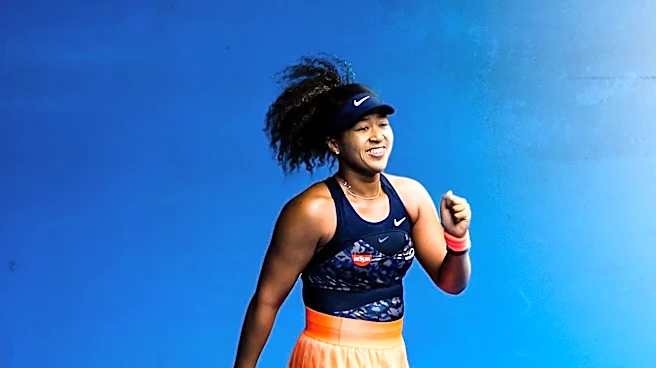
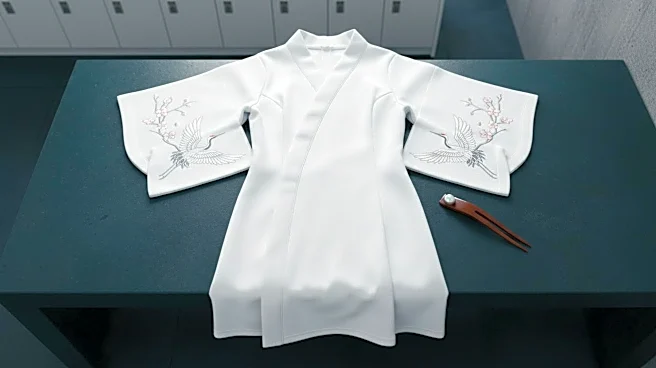
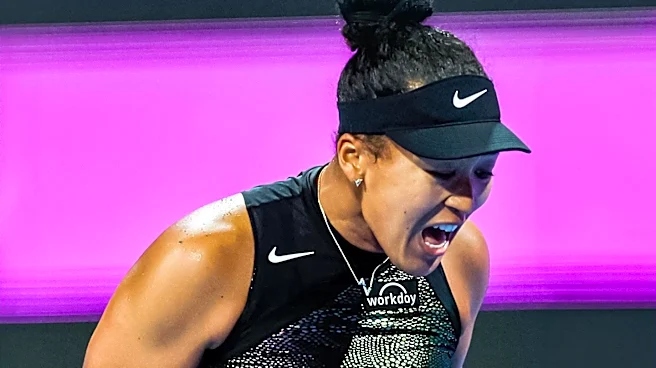
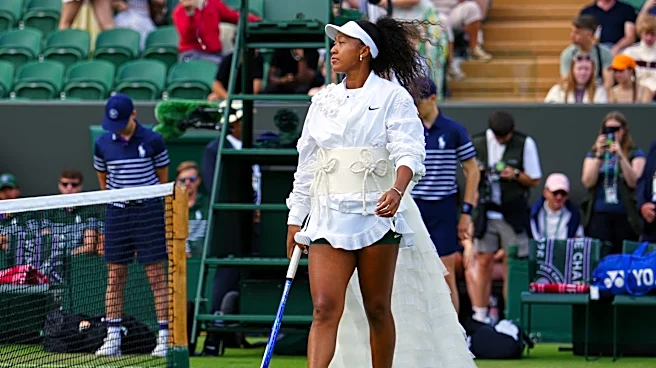
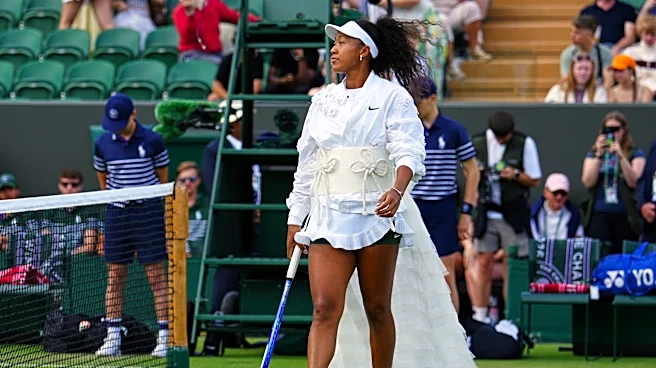
At the recent Wimbledon tournament, tennis star Naomi Osaka made headlines with her unique 'walk-on fits,' which included frills, bustles, and oversized bows, all adhering to the traditional all-white dress code. These outfits, designed by Hana Yagi,
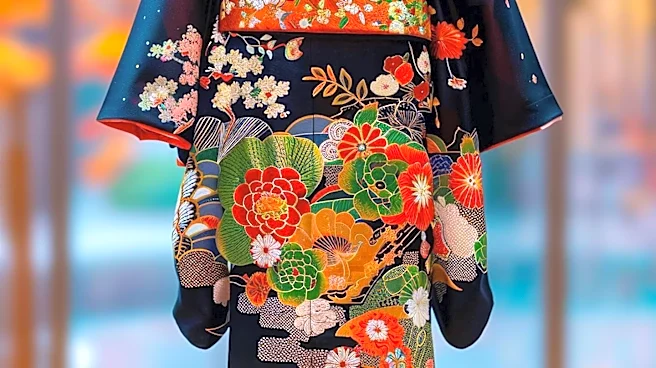
were inspired by Japanese ceremonial dress and Quentin Tarantino's 'Kill Bill.' Osaka's fashion choices are part of a broader trend where athletes use their pre-match attire to make bold sartorial statements. Other players, like Frances Tiafoe, have also embraced this trend, using their outfits to express individuality and potentially intimidate opponents. The concept of 'walk-on fits' is gaining traction as athletes seek to enhance their personal brands and connect with fashion industries.
Why It's Important?
The emergence of 'walk-on fits' in tennis highlights the intersection of sports and fashion, offering athletes a platform to expand their influence beyond the court. This trend allows players to diversify their appeal, attracting sponsorships and collaborations with fashion brands. For athletes like Osaka, who have become prominent figures in both sports and fashion, these outfits serve as a form of personal branding, enhancing their marketability. The trend also reflects a shift in how athletes are perceived, with their influence extending into cultural and commercial realms. This evolution could lead to increased opportunities for athletes in various industries, reinforcing their status as multifaceted public figures.
What's Next?
As 'walk-on fits' gain popularity, more athletes are likely to adopt this trend, using fashion to express their personalities and connect with fans. This could lead to further collaborations between sports stars and fashion designers, potentially influencing dress codes and sponsorship deals in tennis and other sports. The trend may also inspire younger athletes to explore fashion as a means of self-expression and brand building. As the lines between sports and fashion continue to blur, stakeholders in both industries may seek to capitalize on this synergy, creating new business models and marketing strategies that leverage the appeal of athlete-driven fashion.
Beyond the Headlines
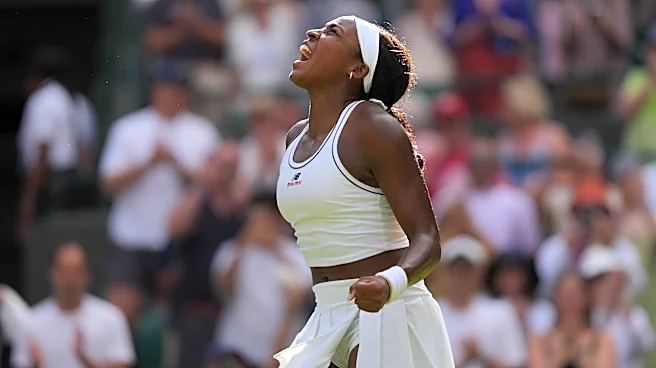
The rise of 'walk-on fits' raises questions about the role of fashion in sports and its impact on athletic performance. While some argue that these outfits can boost confidence and intimidate opponents, others, like Coco Gauff, downplay their influence on the game itself. The trend also highlights the growing importance of personal branding in sports, as athletes navigate the balance between performance and commercial interests. This development may prompt discussions about the commercialization of sports and the pressures athletes face to maintain their public image. As fashion becomes an integral part of sports culture, it could reshape how athletes are perceived and celebrated.