



What's Happening?
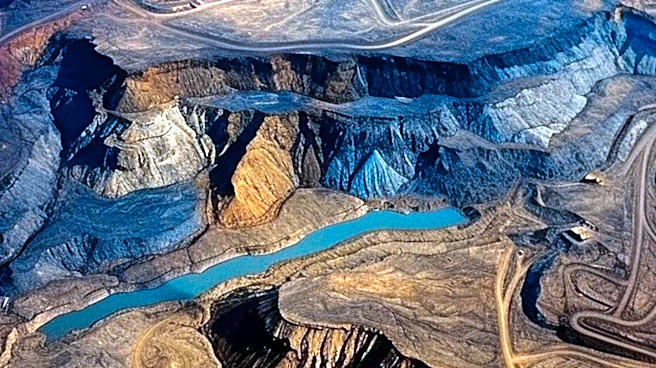
Kuya Silver and Brixton Metals are actively exploring mine waste and old workings in the historic Cobalt camp of Temiskaming, Ontario, driven by surging silver prices. Kuya Silver's Silver Kings project is assessing waste rock and tailings from early
20th-century mining operations, which produced 50-60 million ounces of silver and 900,000 pounds of cobalt between 1905 and 1970. Early sampling at the former Kerr Lake mill site has shown significant silver mineralization, with grades up to 168 grams per tonne silver and 0.365 percent cobalt. Similarly, Brixton Metals is conducting drilling programs at the shuttered Langis mine, consistently yielding high-grade silver results, including one drill hole with 6,199 grams per tonne of silver over a one-meter length. Both companies are focusing on low-cost evaluation methods, such as sampling and metallurgical work, to determine the commercial viability of recovering these metals from previously discarded materials. The historical mining in the region often left lower-grade materials behind due to less advanced processing technologies, which are now considered promising with current market prices and technological capabilities.
Why It's Important?
The renewed interest in extracting silver and cobalt from historical mine waste in Temiskaming highlights a significant shift in resource recovery strategies, driven by global demand and high commodity prices. This approach offers a potentially more sustainable and cost-effective method of acquiring critical minerals compared to traditional greenfield exploration. For the U.S. and global industries, a stable supply of silver is crucial for electronics, solar energy, and emerging technologies like AI data centers, while cobalt is vital for electric vehicle batteries and other high-tech applications. The success of these projects could reduce reliance on new mining operations, mitigating environmental impacts and potentially stabilizing supply chains. Furthermore, it demonstrates how advancements in metallurgical processing can transform previously uneconomical waste into valuable resources, creating new economic opportunities in regions with a rich mining history. This trend could influence investment in similar historical mining sites across North America, contributing to domestic mineral production and economic resilience.
What's Next?
Kuya Silver plans to continue extensive sampling and metallurgical testing across its Silver Kings property over the coming months, aiming to develop a comprehensive resource estimate. This will inform their decision on whether to apply for a provincial mineral recovery permit and proceed with commercial production. Brixton Metals is also conducting metallurgical testing on its assays from the Langis mine and is developing a plan for a silver recovery operation and a remediation strategy for the tailings dump. The company aims to reach 60,000 meters of drilling to gather sufficient data for a silver resource estimate. Both companies are focused on demonstrating the economic viability of these projects, which could lead to significant investment in processing infrastructure. The outcomes of these evaluations will likely influence future exploration and recovery efforts in other historical mining districts, potentially setting a precedent for how abandoned mine waste is viewed and utilized as a resource.
Beyond the Headlines
The exploration of old mine waste for valuable minerals like silver and cobalt carries deeper implications beyond immediate economic gains. Ethically, it represents a form of environmental remediation, as processing these tailings can reduce the ecological footprint of historical mining operations by removing or neutralizing hazardous materials. Culturally, it revitalizes regions with a long mining heritage, potentially creating new jobs and economic stability in communities that have experienced cycles of boom and bust. Legally, the process involves navigating complex regulations regarding mineral rights, environmental permits, and waste management, which can serve as a model for future resource recovery projects. This trend also underscores a broader shift towards a circular economy in the mining sector, where waste is increasingly seen as a resource rather than a liability. The long-term impact could be a more sustainable and resilient supply chain for critical minerals, reducing the need for new, environmentally disruptive mining activities and fostering innovation in waste processing technologies.