
What's Happening?
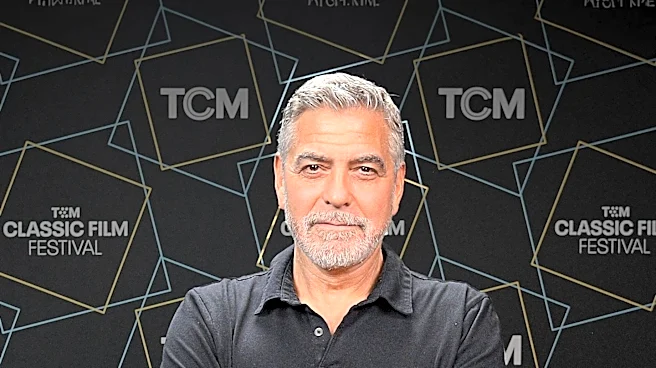
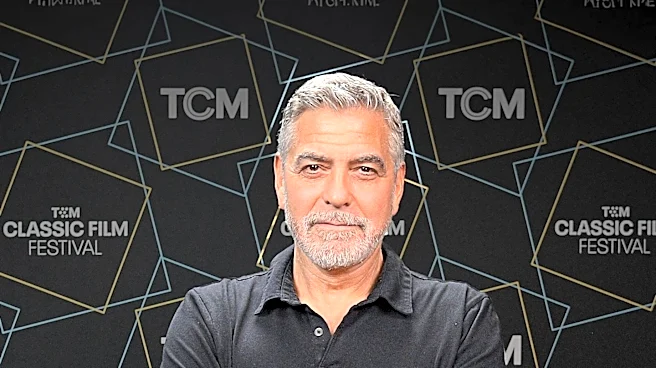
A recent analysis suggests that George Clooney's comedic acting abilities are often underestimated, despite his diverse filmography. The actor, known for roles across various genres including rom-coms,
action, thrillers, and comedies, has demonstrated significant versatility throughout his career. The analysis specifically points to his collaborations with the Coen Brothers in films such as 'O Brother, Where Art Thou?' (2000), 'Intolerable Cruelty' (2003), 'Burn After Reading' (2008), and 'Hail, Caesar!' (2016) as prime examples of his comedic prowess. His performance in 'O Brother, Where Art Thou?' earned him a Golden Globe, underscoring critical recognition for his work in the genre. The discussion also touches upon the psychological mechanisms, like the halo effect and parasocial relationships, that contribute to public perception and affection for actors like Clooney, suggesting that his consistent portrayal of a 'nice and friendly' persona influences how his talents are viewed.
Why It's Important?
This discussion is important for the entertainment industry and film criticism as it encourages a re-evaluation of established actors' perceived strengths and weaknesses. By highlighting Clooney's comedic range, it challenges the tendency to pigeonhole actors into specific genres, potentially opening doors for more diverse roles and creative opportunities for him and others. For audiences, it offers a fresh perspective on a well-known figure, encouraging them to revisit his work with a new appreciation for his comedic contributions. This re-assessment can also influence future casting decisions, prompting filmmakers to consider actors for roles outside their typical portrayals. Furthermore, the psychological insights into audience perception shed light on the complex relationship between public image, acting talent, and critical reception, impacting how celebrity is understood and consumed.
What's Next?
The ongoing re-evaluation of George Clooney's comedic work could lead to increased interest in his past comedic films and potentially influence his future project selections. Filmmakers and casting directors might be more inclined to offer him roles that leverage his comedic talents, moving beyond his more dramatic or action-oriented portrayals. For film critics, this analysis might spark further discussions about other versatile actors whose specific talents may be underappreciated. Audiences, encouraged by such insights, may seek out his comedic performances, potentially boosting viewership and critical discourse around these films. This shift could contribute to a broader trend within Hollywood to recognize and utilize the full spectrum of an actor's abilities, rather than relying solely on their most prominent or typecast roles.
Beyond the Headlines
The deeper implication of this analysis extends to the broader understanding of celebrity and public perception in the entertainment industry. The concept of the 'halo effect' and parasocial relationships, as mentioned in the source, highlights how an actor's off-screen persona or consistent on-screen demeanor can significantly shape audience and critical reception of their work. This suggests that an actor's perceived 'niceness' or charm might inadvertently overshadow specific acting skills, such as comedic timing. This phenomenon raises questions about authenticity in performance versus public image and how these factors intertwine to define an actor's legacy. It also underscores the challenge for actors to break free from typecasting, even when they possess a wide range of talents, due to ingrained public and industry perceptions.