






What's Happening?
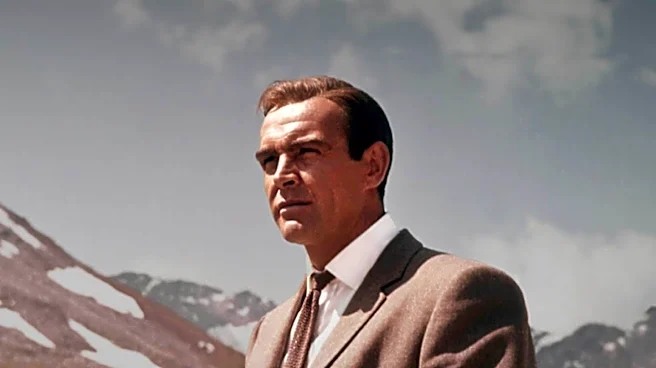
Burt Reynolds, known for his role in the 1972 film 'Deliverance,' reportedly turned down the opportunity to play James Bond. In a 2015 interview with USA Today, Reynolds expressed regret over this decision. He stated that his reasoning at the time was
a belief that fans would not accept an American actor portraying the iconic British spy. He later characterized his previous stance as 'stupid' and asserted that he 'could've done it and I could've done it well.' This revelation highlights a significant 'what if' in cinematic history, as Reynolds was a prominent actor during the period when he would have been considered for the role. His career included co-starring with Jerry Reed in films like 'Smokey and the Bandit' and 'Gator,' and appearing in 'The Best Little Whorehouse in Texas' alongside Dolly Parton. The decision to decline the Bond role was based on a perceived cultural barrier rather than a lack of interest in the character or the franchise's potential.
Why It's Important?
Burt Reynolds's decision to decline the James Bond role, driven by concerns about audience acceptance of an American Bond, underscores the historical and cultural significance of the character's British identity. This choice reflects a period when the portrayal of national heroes in cinema was often strictly adhered to, influencing casting decisions and potentially shaping an actor's career trajectory. Had Reynolds accepted the role, it could have dramatically altered the course of the James Bond franchise, potentially leading to a different interpretation of the character and setting a precedent for non-British actors in the lead role much earlier. His regret highlights the long-term impact of career choices and the evolving nature of audience expectations and cinematic conventions. The 'American Bond' debate continues to resurface with each new casting cycle, demonstrating the enduring relevance of the cultural considerations Reynolds faced decades ago. His reflection also offers insight into the pressures and perceptions actors navigate when considering iconic roles.
What's Next?
While Burt Reynolds's opportunity to play James Bond is a historical note, his reflections continue to influence discussions surrounding the future of the James Bond franchise. The ongoing search for the next James Bond frequently involves speculation about actors from various backgrounds, including Americans. Reynolds's initial concern about an American Bond's acceptance by the public remains a subtle undercurrent in these discussions, even as the film industry becomes more globalized. Future casting decisions for James Bond will likely continue to weigh factors such as national identity, audience expectations, and the actor's ability to embody the character's established persona while bringing a fresh perspective. The legacy of actors like Reynolds, who considered and ultimately declined the role, serves as a reminder of the immense pressure and scrutiny associated with portraying such a globally recognized figure.
Beyond the Headlines
Burt Reynolds's regret over turning down the James Bond role delves into deeper themes of national identity in popular culture and the evolving landscape of cinematic representation. His concern that fans wouldn't accept an 'American Bond' reflects a time when national origins were more rigidly tied to character portrayals, particularly for iconic figures. This sentiment highlights a cultural gatekeeping that has gradually eroded in Hollywood, as international co-productions and diverse casting choices have become more common. The 'Bond, James Bond' persona is intrinsically linked to Britishness, and Reynolds's hesitation speaks to the perceived sanctity of that connection. His later admission of regret suggests a recognition that artistic boundaries can be more fluid than initially perceived, and that talent can transcend national expectations. This historical anecdote offers a valuable lens through which to view contemporary debates about authenticity, representation, and the global appeal of film franchises.