



What's Happening?
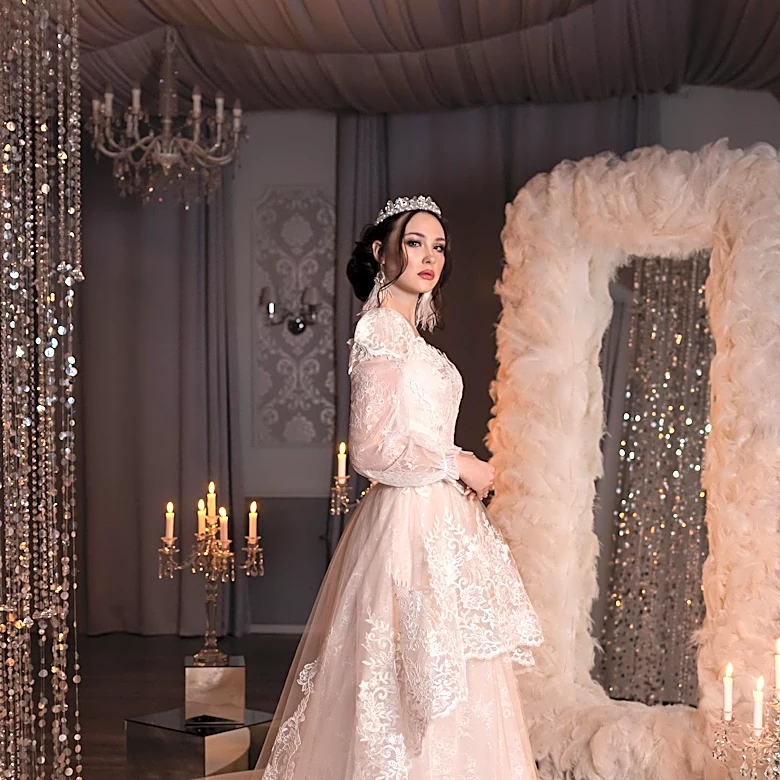
A growing sentiment of exhaustion is emerging among social media users regarding the constant influx of new beauty and lifestyle trends, such as 'whimsymaxxing' and the 'kinda chic' aesthetic. These trends, which often involve elaborate displays of femininity
or romanticizing mundane activities, are perceived as contributing to a culture of 'performative femininity.' Dating coach Hayley Quinn describes 'whimsymaxxing' as the 'feminine equivalent' of trends seen in the manosphere, emphasizing its performative nature. The 'kinda chic' trend, which labels everyday life decisions or details as stylish, is seen by Quinn as a form of humble bragging. Users are also expressing weariness with the relentless 'cool girl' aesthetic, which dictates specific styles, reading recommendations, and products to achieve a desired social status. This continuous cycle of trends is leading to a feeling of pressure to constantly curate and perform one's identity online, extending into real life.
Why It's Important?
This backlash against social media trends highlights a significant shift in user perception and engagement with online content. The fatigue expressed by users suggests a growing disillusionment with the curated and often unrealistic portrayals of life online. This could lead to a re-evaluation of how individuals interact with social media platforms and the types of content they consume and create. For brands and influencers, this signals a potential need to pivot from trend-driven marketing to more authentic and relatable content. The pressure to perform femininity online can have broader societal implications, potentially impacting self-esteem and mental well-being as individuals struggle to keep up with ever-changing ideals. The desire for more genuine interactions and less performative online personas could foster a movement towards more substantive and less superficial digital communities.
What's Next?
The increasing weariness with performative online trends may lead to a demand for more authentic and less curated content on social media platforms. Users might seek out creators who offer genuine insights and experiences rather than aspirational, often unattainable, lifestyles. This could prompt social media platforms to adjust their algorithms to prioritize content that fosters genuine connection and less superficial engagement. Influencers and brands may need to adapt their strategies, focusing on transparency, relatability, and value-driven content over fleeting aesthetic trends. There could also be a rise in digital detox movements or a conscious effort by individuals to reduce their exposure to content that promotes performative lifestyles, leading to a healthier overall relationship with social media.
Beyond the Headlines
The exhaustion with social media trends points to a deeper societal conversation about authenticity, self-worth, and the impact of digital culture on identity. The constant pressure to conform to evolving online aesthetics can blur the lines between genuine self-expression and performative acts, potentially leading to identity crises or feelings of inadequacy. This phenomenon also raises questions about the commercialization of identity, where personal style and lifestyle choices are commodified and presented as products to be consumed. The desire for 'real-world hobbies, relationships and socialising' over online images suggests a yearning for more tangible and meaningful experiences, indicating a potential cultural shift away from purely digital validation towards more grounded forms of fulfillment. This could foster a broader re-evaluation of societal values, prioritizing genuine connection and well-being over superficial online appearances.