




What's Happening?
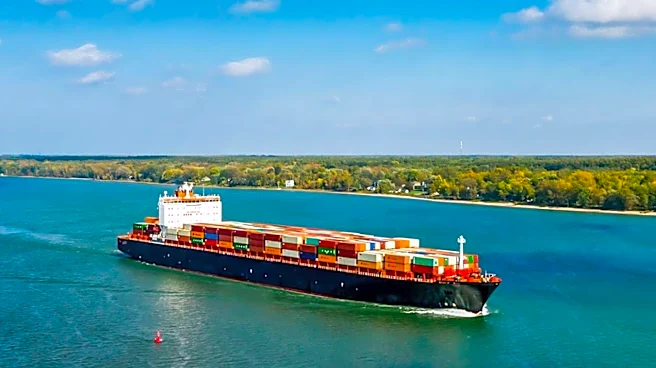
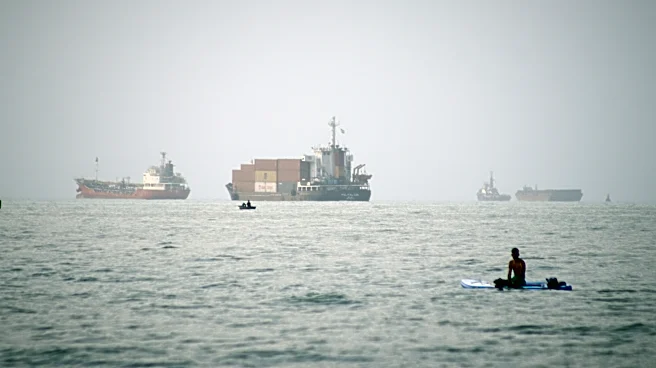
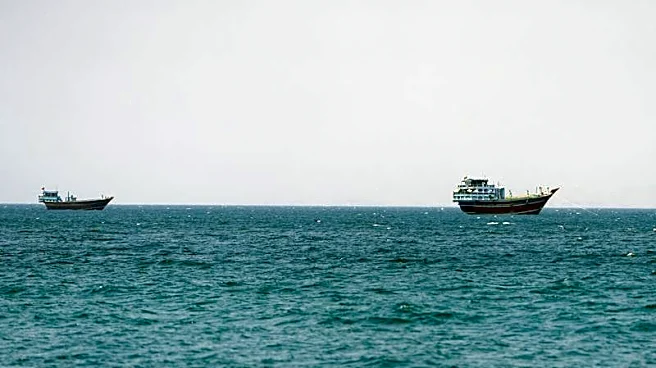
Chevron and Exxon Mobil have reported significant profit increases in the second quarter of 2026, largely due to the ongoing conflict between the U.S. and Iran. This geopolitical tension has disrupted oil shipments through the Strait of Hormuz, a critical
passage for global oil supply, leading to a spike in oil prices. Chevron's profits nearly quadrupled to $12.07 billion, while Exxon Mobil's profits doubled to $14.53 billion. The conflict has caused the price of Brent crude to rise significantly, affecting gasoline, diesel, and jet fuel prices worldwide. As a result, consumers are facing higher costs at the pump, with the average price of gasoline in the U.S. reaching $4.11 per gallon.
Why It's Important?
The surge in profits for major oil companies like Chevron and Exxon highlights the economic impact of geopolitical conflicts on global energy markets. The increased fuel prices are straining consumers, particularly those reliant on transportation for their livelihoods. This situation has prompted legislative proposals in the U.S. to impose a windfall profits tax on major oil producers, aiming to redistribute the proceeds to consumers. The conflict underscores the vulnerability of global oil supply chains to geopolitical disruptions, with potential long-term implications for energy policy and market stability.
What's Next?
The proposed windfall profits tax on oil companies is likely to face significant debate in Congress. If passed, it could set a precedent for how governments address corporate profits during geopolitical crises. Additionally, the ongoing conflict between the U.S. and Iran may continue to affect global oil prices and supply chains, prompting further economic and political responses. Stakeholders in the energy sector will need to navigate these challenges while balancing profitability with consumer and regulatory pressures.