





What's Happening?
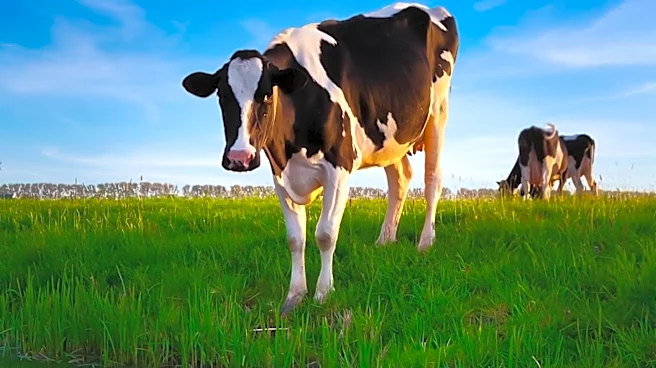
The 1989 World Dairy Expo in Madison, Wisconsin, featured a Senior Two-Year-Old class that, unbeknownst to attendees at the time, would profoundly influence Holstein breeding for decades. Three cows in particular—Dupasquier Starb Winnie, Comestar Laurie
Sheik-ET, and Aitkenbrae Starbuck Ada—each went on to establish significant maternal lines. Winnie, initially GP-83, matured to EX-3E-CAN and became a World Dairy Expo Grand Champion at eight years old, demonstrating the value of patience in breeding. Comestar Laurie Sheik-ET, despite being from an unfashionable sire, became the foundation for four 'millionaire' AI sires and spread her genetics across 51 countries. Aitkenbrae Starbuck Ada, who placed third, produced highly influential daughters like Shoremar S Alicia EX-97-3E and Ms Kingstead Chief Adeen-ET EX-94-2E DOM, which in turn led to the dominant Atlee/Atwood type dynasty in the genomic era. This class highlighted diverse breeding philosophies: Winnie represented structure and longevity, Laurie Sheik embodied conviction in unconventional matings, and Ada showcased the long-term impact of a seemingly lower-ranked animal.
Why It's Important?
This particular class from the 1989 World Dairy Expo holds immense importance for the U.S. dairy industry, particularly for Holstein breeders. The genetic legacies established by these three cows have significantly shaped the breed's characteristics, influencing both show-ring aesthetics and commercial productivity. The success of Laurie Sheik's progeny, including four millionaire AI sires, demonstrates the economic power of strategic breeding decisions and the global reach of superior genetics. Ada's lineage, through daughters like Alicia and Adeen and grand-daughter Atlee, became a cornerstone for type breeding, producing top-ranked sires that improved conformation and overall herd quality. This event underscored the critical balance between visual appraisal and genetic evaluation, a debate that continues to inform breeding strategies. The long-term impact on herd health, milk production efficiency, and the genetic diversity (or concentration) within the Holstein population in the U.S. is undeniable, affecting profitability and sustainability for dairy farmers.
What's Next?
The ongoing influence of these foundational cow families means that their genetic traits will continue to be present in Holstein pedigrees for the foreseeable future. Breeders will likely continue to leverage these established lines, while also navigating the challenges of genetic concentration, as exemplified by the widespread presence of Hanoverhill Starbuck's DNA. The lessons learned from this 1989 class—the importance of patience, conviction in breeding choices, and recognizing potential beyond initial placings—will remain relevant for future breeding decisions. As genomic technologies advance, the ability to trace and predict the impact of such influential ancestors will become even more precise, allowing for more targeted breeding programs aimed at optimizing both type and production traits in U.S. dairy herds. The industry will continue to balance traditional breeding wisdom with cutting-edge genetic science.
Beyond the Headlines
Beyond the immediate impact on Holstein genetics, the story of the 1989 World Dairy Expo class offers broader insights into the nature of innovation and long-term vision in any industry. It illustrates that initial assessments or prevailing trends (like 'fashionable' sires) may not always predict ultimate success. The willingness of breeders like Marc Comtois to trust an unfashionable sire, or the foresight of those who invested in Ada despite her third-place finish, highlights the value of unconventional thinking and a long-term perspective. This event also subtly touches upon the ethical considerations of genetic concentration, as seen with Starbuck's pervasive influence, prompting discussions about maintaining genetic diversity. Culturally, it reinforces the deep connection and intuitive understanding that experienced cattlemen have with their animals, blending scientific data with an 'eye for a cow' that transcends mere numbers, a sentiment applicable to craftsmanship and expertise in many fields.