






What's Happening?
Meta has announced it is re-evaluating its timelines and interim milestones for achieving net zero emissions by 2030, according to its 2026 sustainability report. The company's data center and sustainability chiefs stated that they remain committed to net zero but
are reassessing the 2030 timeframe. This comes as Meta's net carbon emissions in 2025 increased by 45% year-over-year, reaching 11.8 million metric tons of carbon dioxide. The surge in emissions is largely attributed to the rapid expansion of artificial intelligence (AI) infrastructure, which requires significant energy consumption. For instance, Meta's electricity consumption rose by 35% year-over-year as more data centers became operational. The company acknowledges that the demand for AI infrastructure has grown faster than anticipated, impacting its environmental goals despite efforts to mitigate environmental impact through improved water-use efficiencies and more sustainable data center designs.
Why It's Important?
Meta's decision to re-evaluate its net zero target highlights a growing challenge for major technology companies balancing ambitious climate goals with the escalating energy demands of AI development. This shift could set a precedent for other Big Tech firms, many of whom, including Microsoft, Amazon, and Google, have also reportedly scaled back their climate commitments due to AI's energy intensity. The increased carbon emissions from these industry leaders contribute significantly to global greenhouse gas levels, exacerbating climate change and its associated risks, such as extreme weather patterns and natural disasters. For environmental advocates and stakeholders, this development raises concerns about the sincerity and feasibility of corporate sustainability pledges in the face of rapid technological advancement. It also underscores the need for innovative solutions to power AI infrastructure with renewable energy and improve energy efficiency across the tech sector.
What's Next?
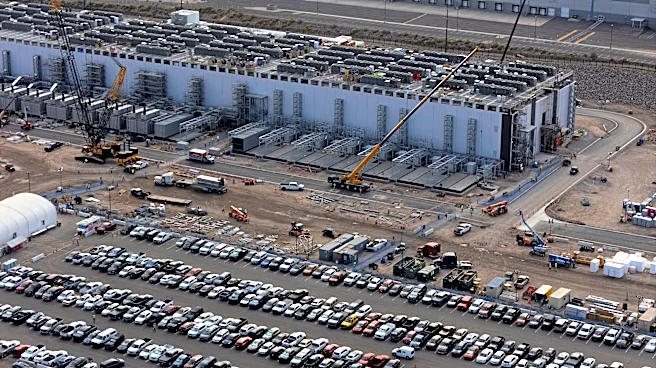
Meta has stated it will continue to invest in emissions reductions, but the re-evaluation of its 2030 net zero timeline suggests a potential delay in achieving this goal. The company will likely focus on developing more energy-efficient data center designs and exploring renewable energy sources to power its expanding AI operations. However, the immense scale of projects like the Hyperion data center in Louisiana, which is expected to create two gigawatts of capacity for AI, indicates that energy demands will remain substantial. This situation may prompt increased scrutiny from environmental organizations and investors regarding the transparency and accountability of tech companies' climate commitments. Future sustainability reports from Meta and its peers will be closely watched for revised targets and concrete strategies to address the environmental footprint of AI.
Beyond the Headlines
The challenge faced by Meta extends beyond mere operational adjustments; it represents a fundamental tension between technological progress and environmental sustainability. The rapid growth of AI, while offering transformative potential, is revealing its significant ecological cost. This situation could spur a broader re-evaluation of how AI development is approached, potentially leading to greater emphasis on 'green AI' initiatives that prioritize energy efficiency and sustainable computing from the outset. It also raises ethical questions about the responsibility of tech giants to mitigate their environmental impact, especially when their innovations contribute to global climate challenges. The long-term implications could include regulatory pressures for more stringent environmental standards in the tech sector and a societal debate on the trade-offs between advanced technology and planetary health.