



What's Happening?
Vinod Khosla, a prominent venture capitalist and co-founder of Sun Microsystems, has issued a warning that advancements in artificial intelligence (AI) and quantum computing could compromise the encryption methods securing cryptocurrencies by 2030. Khosla specifically
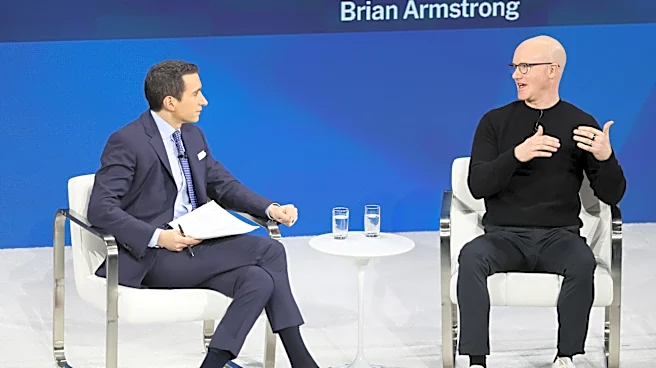
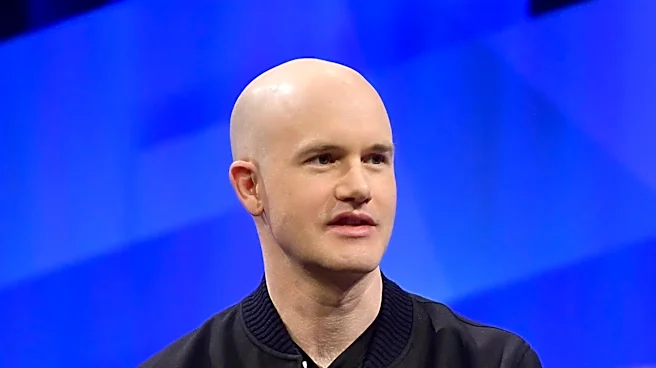
identified elliptic-curve signatures, which are fundamental to authorizing cryptocurrency transactions, as a potential target. A successful attack on these cryptographic systems could impact digital assets that rely on them, including platforms like Hyperliquid. This concern adds to existing discussions about the long-term risks quantum computing poses to crypto security. While the timing of a practical quantum threat remains uncertain, the National Institute of Standards and Technology (NIST) is actively developing post-quantum cryptographic standards to safeguard against future attacks. Coinbase CEO Brian Armstrong has also acknowledged quantum computing as a significant long-term threat, though he believes the risk is not imminent.
Why It's Important?
Khosla's warning is significant because it comes from a highly influential figure in technology and investment, potentially influencing market sentiment and investment strategies within the cryptocurrency sector. The prospect of AI and quantum computing undermining current encryption methods by 2030 introduces a critical long-term security challenge for digital assets. If cryptographic systems like elliptic-curve signatures become vulnerable, the integrity and trust in cryptocurrencies could be severely eroded, leading to substantial financial losses and a destabilization of the crypto market. This concern highlights the urgent need for the crypto industry to accelerate its transition to post-quantum cryptographic standards, impacting developers, investors, and regulatory bodies alike. The potential for such a technological shift could redefine the security landscape of all digital transactions.
What's Next?
The cryptocurrency industry is expected to intensify its focus on developing and implementing post-quantum cryptographic solutions. Organizations like NIST will continue their efforts to establish new standards to protect digital systems from future quantum attacks. Observers will closely monitor advancements in both AI and quantum computing, as any significant breakthroughs could alter current risk assessments and accelerate the need for security upgrades. The market's reaction to such warnings, as seen with fluctuations in prediction markets for assets like Hyperliquid, suggests that investors are already factoring in these potential long-term risks. Companies and developers in the crypto space will likely prioritize research and development into quantum-resistant algorithms to ensure the continued security and viability of their platforms.
Beyond the Headlines
Beyond the immediate financial implications for cryptocurrency holders, Khosla's warning touches upon a broader existential threat to digital security in an increasingly interconnected world. The potential for AI and quantum computing to break current encryption methods extends beyond cryptocurrencies to encompass all forms of secure digital communication, financial transactions, and national security infrastructure. This raises profound questions about the future of privacy, data integrity, and cyber warfare. The race to develop quantum-resistant cryptography is not just a technical challenge but a geopolitical one, with nations and corporations vying for leadership in this critical field. The ethical implications of such powerful technologies, if misused, also warrant careful consideration, emphasizing the need for responsible development and deployment of AI and quantum computing.