
What's Happening?
Wonder, the company founded by e-commerce entrepreneur Marc Lore, is reportedly considering selling its food-delivery service, Grubhub. Wonder acquired Grubhub in 2024 for $150 million in cash and assumed
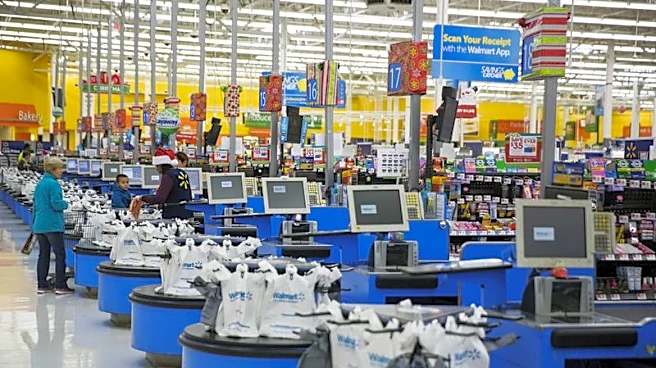
$500 million in debt. According to The Wall Street Journal, citing unidentified sources familiar with the matter, Wonder's bankers have initiated discussions with major retailers such as Walmart, Target, and Kroger regarding a potential acquisition. This move by Wonder comes amidst a period of significant consolidation and deal-making within the food and grocery delivery sector. Other recent transactions include DoorDash's agreement to purchase Instacart, valued at approximately $17 billion, and Uber Technologies' acquisition of Germany’s Delivery Hero in July, aimed at expanding its international presence.
Why It's Important?
The potential sale of Grubhub by Wonder highlights the dynamic and competitive landscape of the U.S. food delivery market. For Wonder, a sale could represent a strategic pivot or an attempt to capitalize on market interest following its relatively recent acquisition of Grubhub. For potential buyers like Walmart, Target, and Kroger, acquiring Grubhub could significantly enhance their e-commerce and last-mile delivery capabilities, allowing them to better compete with online giants and other grocery delivery services. This consolidation trend suggests that companies are seeking to gain market share, improve operational efficiencies, and offer more integrated services to consumers. The outcome of these discussions could reshape partnerships and competitive dynamics within the retail and food delivery industries, impacting consumer choices and the operational strategies of major players.
What's Next?
Discussions between Wonder's bankers and potential acquirers like Walmart, Target, and Kroger are ongoing. The outcome of these talks will determine the future ownership and strategic direction of Grubhub. A successful sale would likely lead to Grubhub being integrated into a larger retail or e-commerce ecosystem, potentially altering its service offerings and market positioning. Conversely, if a sale does not materialize, Wonder would need to reassess its strategy for Grubhub in a highly competitive market. The broader trend of consolidation in the delivery sector suggests that further mergers and acquisitions are possible as companies strive for scale and profitability. Stakeholders, including consumers, employees, and competitors, will be closely watching these developments for their implications on service availability, pricing, and market concentration.
Beyond the Headlines
The exploration of Grubhub's sale by Wonder underscores the intense pressures and evolving business models within the on-demand delivery economy. The initial acquisition of Grubhub by Wonder, and now its potential resale, reflects the challenges of achieving sustainable profitability and market dominance in a sector characterized by high operational costs, thin margins, and fierce competition. This situation also highlights the strategic importance of last-mile delivery capabilities for traditional retailers, who are increasingly looking to integrate such services to meet changing consumer expectations. The ongoing consolidation could lead to fewer, larger players dominating the market, potentially raising questions about market concentration and consumer choice in the long term. The valuation and terms of any potential sale will also provide insights into how investors and companies perceive the future growth and profitability prospects of food delivery services.