







What's Happening?
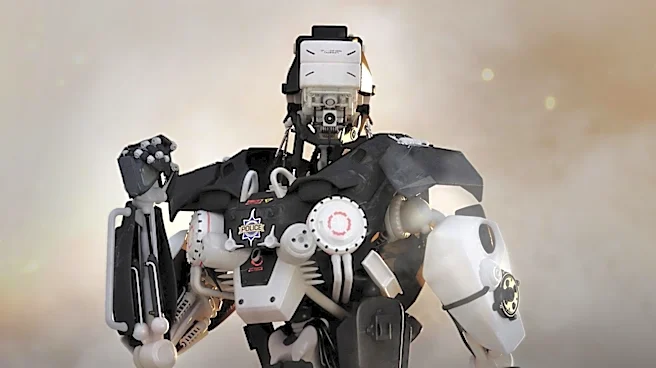
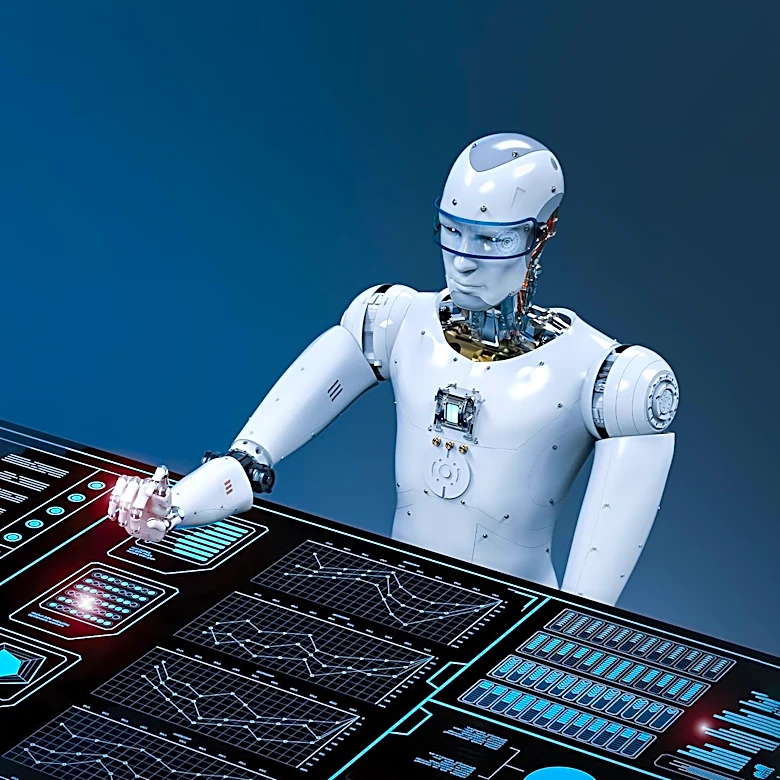
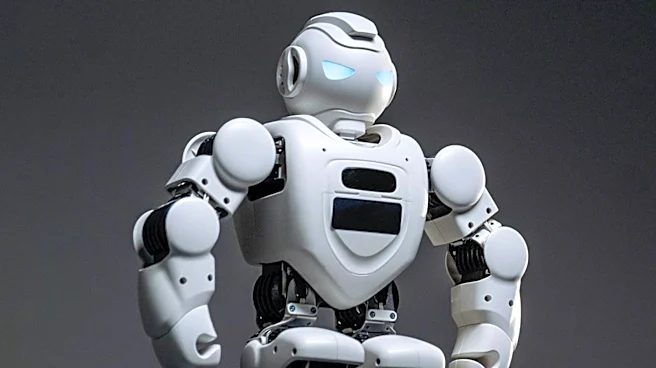
The integration of artificial intelligence into physical systems, such as humanoid robots, has introduced new security challenges. These embodied systems, which include actuators, lidar units, and battery packs, are often assembled from components sourced
from a supply chain that lacks transparency. This lack of visibility into the hardware and firmware creates systemic risks, as these components can be manipulated to cause the robots to misbehave. For instance, lidar spoofing can trick autonomous systems into reacting to non-existent obstacles, posing safety risks in environments shared with humans. The security of these systems is further complicated by the potential for remote access paths to be exploited, allowing unauthorized control over the robots. This situation mirrors past challenges faced by Operational Technology (OT) security, where unmanaged remote access led to vulnerabilities.
Why It's Important?
The rise of AI-powered robotics in various industries underscores the need for robust security measures to prevent potential misuse. As these systems become more prevalent, the risk of cyber-physical attacks increases, potentially leading to significant safety hazards and operational disruptions. The ability of attackers to manipulate sensor inputs or gain control over fleet management systems could have dire consequences, especially in sectors like manufacturing, logistics, and healthcare, where robots are increasingly used. Ensuring the integrity and security of these systems is crucial to maintaining trust and safety in AI-driven environments. The situation calls for comprehensive threat modeling and stringent access controls to safeguard against potential breaches.
What's Next?
To address these security concerns, stakeholders in the AI robotics industry must prioritize transparency and accountability in their supply chains. This includes implementing rigorous threat modeling to anticipate and mitigate potential vulnerabilities. Security teams need to inventory all remote access paths and apply privileged-access controls to vendor maintenance. Additionally, there is a need for industry-wide standards that mandate signed and verified updates to prevent unauthorized code from being pushed to these systems. As the industry evolves, collaboration between manufacturers, security experts, and regulatory bodies will be essential to develop and enforce these standards, ensuring the safe deployment of AI robotics.