


What's Happening?
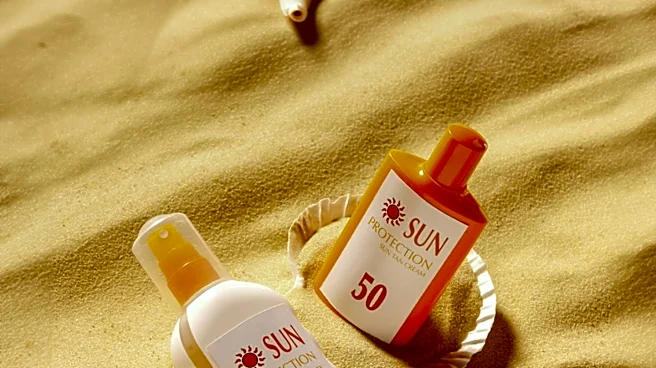
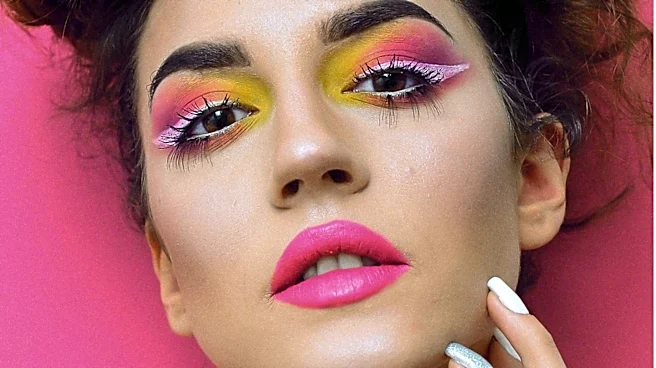
The beauty industry is under scrutiny for the rise of 'maxxing' trends, which involve extreme self-optimization practices. These trends, such as 'scentmaxxing' and 'tanmaxxing,' push the boundaries of traditional beauty routines, often leading to health
risks. 'Looksmaxxing,' a broader term encompassing various beauty enhancements, has roots in online communities that promote misogynistic ideologies. Critics argue that these trends, while marketed as self-improvement, can perpetuate harmful beauty standards and pose dangers to consumers. The discussion highlights the tension between beauty marketing and ethical considerations in promoting health and well-being.
Why It's Important?
The 'maxxing' trends reflect a growing cultural obsession with self-optimization, driven by social media and beauty marketing. This phenomenon raises concerns about the impact of extreme beauty practices on mental and physical health. The beauty industry's role in promoting these trends is under scrutiny, as it navigates the balance between innovation and consumer safety. The critique of 'maxxing' also touches on broader societal issues, such as the influence of online communities on beauty standards and the potential for these trends to reinforce gender stereotypes and discrimination.
Beyond the Headlines
The rise of 'maxxing' trends highlights the need for greater awareness and regulation in the beauty industry. As consumers increasingly seek out extreme beauty practices, there is a growing demand for transparency and ethical marketing. The industry's response to these trends could shape future beauty standards and influence consumer behavior. Additionally, the critique of 'maxxing' underscores the importance of promoting diverse and inclusive beauty ideals that prioritize health and well-being over unrealistic standards. This shift could lead to a more sustainable and ethical beauty industry.