




What's Happening?
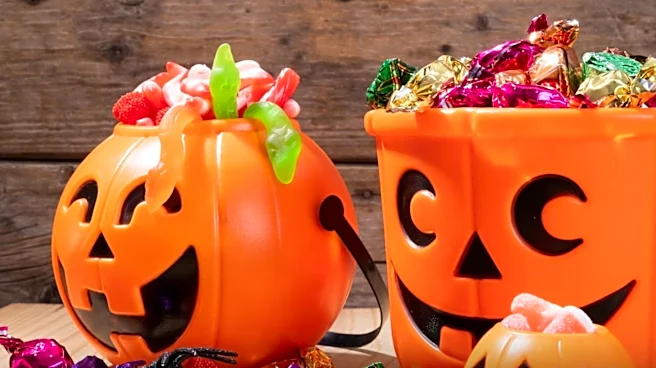
New data from DoorDash's annual Halloween trends report indicates a significant shift in consumer preferences for Halloween candy. While Reese's Peanut Butter Cups maintain their top position for the third consecutive year, there's a growing demand for bold,
intense flavors, including sour and spicy options, as well as a resurgence of retro candies. Sour candy now occupies two spots in the national top 10, and spicy rolled tortilla chips have surpassed pretzels and Goldfish as the most ordered non-candy treat. Old-school candies like Circus Peanuts, Lemonheads, Bit-O-Honey, and Dum-Dums have seen triple-digit growth in orders. This trend is supported by wider candy market data, with non-chocolate candy sales increasing and younger consumers, particularly Gen Z and millennials, showing interest in unexpected flavors and nostalgic treats. Even divisive treats like candy corn and raisins have seen increased orders, with candy corn up 30% and raisins up 60% year-over-year.
Why It's Important?
This shift in Halloween candy preferences reflects broader changes in consumer tastes and purchasing habits within the U.S. confectionery market. The increasing demand for sour, spicy, and retro candies suggests that consumers, especially younger demographics, are seeking more diverse and adventurous flavor experiences beyond traditional sweets. This trend impacts candy manufacturers and retailers, who must adapt their product offerings and marketing strategies to cater to these evolving preferences. The resurgence of nostalgic candies also highlights the power of sentimentality in consumer choices, potentially influencing product development and re-releases. Furthermore, the DoorDash data, while specific to delivery orders, provides valuable insights into real-time consumer behavior, indicating what people are buying when they run out of candy, which can inform inventory management and promotional efforts for businesses during peak seasons like Halloween. The continued dominance of chocolate, alongside the growth of alternative flavors, points to a diversifying market where both traditional and innovative products can thrive.
What's Next?
Candy manufacturers and retailers are likely to continue observing these trends closely, potentially leading to the introduction of more sour, spicy, and retro-inspired candy options in the market. We may see increased investment in product innovation to develop new flavor combinations that cater to the demand for bold and intense tastes. Marketing campaigns for Halloween and other holidays could increasingly highlight nostalgic candies to appeal to consumers' desire for retro treats. Retailers might adjust their inventory to stock a wider variety of non-chocolate and specialty candies, alongside traditional favorites. The growth in full-size and king-size candy orders suggests that consumers are willing to spend more on larger quantities, which could influence packaging and pricing strategies. Additionally, the observed peak ordering times on Halloween, particularly the 6 p.m. scramble, could prompt delivery services and stores to optimize their staffing and logistics to meet last-minute demand.
Beyond the Headlines
The evolving candy landscape goes beyond mere taste preferences, touching upon cultural and psychological aspects of consumption. The embrace of sour and spicy flavors by younger generations could be indicative of a broader cultural shift towards more adventurous and globalized palates, influenced by diverse culinary experiences. The strong interest in retro candies speaks to a collective nostalgia, offering comfort and a sense of connection to the past, especially in an increasingly fast-paced world. This trend also highlights the role of social media and online trends in shaping consumer choices, as unique and visually appealing candies often gain traction through sharing and discussion. The data also subtly points to the changing dynamics of holiday preparations, with last-minute delivery orders becoming a significant part of the Halloween experience, reflecting a shift towards convenience and on-demand services in modern life. This blend of tradition, innovation, and convenience is reshaping how consumers engage with seasonal treats.