



What's Happening?
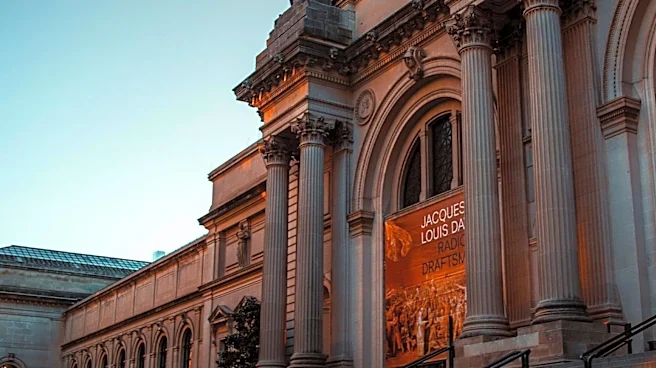
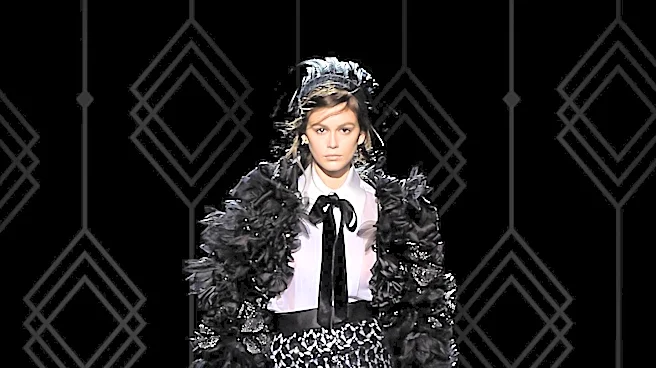
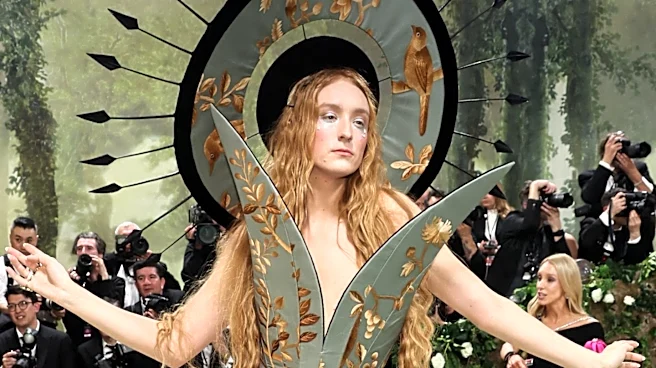
Anna Wintour's planned Met Gala, intended to honor designer John Galliano, has been canceled. The decision comes after significant backlash regarding Galliano's past antisemitic and racist remarks made in 2011. The exhibition, which was set to accompany
the gala in May, was called off following an announcement by Galliano on Instagram. He stated that 'after much reflection and discussion with all those involved,' it was determined that it was 'best for the exhibition not to take place at this time.' Wintour, the former Vogue editor, was later seen looking somber at the US Open in New York City. The Met Gala serves as a fundraising benefit for the Metropolitan Museum of Art. The initial announcement of the exhibition had already sparked fury, particularly because the event was scheduled for May 3, which coincides with Yom HaShoah, the Jewish day of Holocaust remembrance. Galliano's career faced a major setback in 2011 after a video surfaced showing him making offensive comments, leading to his dismissal from Dior and the rescinding of his Legion of Honor. He has since worked to make amends and returned to the fashion world in 2014 as creative director of Maison Margiela.
Why It's Important?
The cancellation of the John Galliano Met Gala highlights the increasing scrutiny and accountability placed on public figures and institutions regarding past controversial actions. This event underscores the power of public opinion and social media in influencing major cultural and fundraising events. For the fashion industry, it demonstrates that even highly influential figures like Anna Wintour and renowned designers like Galliano are not immune to the consequences of past behavior, especially when those actions involve hate speech. The controversy also brings to light the ethical considerations involved in celebrating individuals with problematic histories, particularly when such celebrations coincide with sensitive dates like Yom HaShoah. This incident could set a precedent for how other cultural institutions approach honoring individuals with controversial pasts, potentially leading to more rigorous vetting processes and a greater emphasis on social responsibility. It also reflects a broader societal shift towards demanding greater transparency and moral integrity from those in positions of influence.
What's Next?
Following the cancellation, the Met Gala will need to announce a new theme for its upcoming event. The Metropolitan Museum of Art and Anna Wintour will likely face pressure to select a theme and honorees that are free from controversy and align with contemporary social values. This incident may prompt a re-evaluation of the selection process for future Met Gala themes and honorees, potentially leading to more diverse and inclusive choices. Stakeholders, including sponsors, attendees, and the public, will be closely watching for the new announcement. The fashion industry may also see a continued trend of designers and brands being held accountable for their actions and statements, both past and present. John Galliano, in his statement, acknowledged his ongoing responsibility for the pain he caused and emphasized that meaningful atonement is a continuous process, suggesting he will continue efforts to address his past. Wintour praised his decision to postpone the exhibit as 'courageous,' indicating a mutual understanding of the need to address the backlash.
Beyond the Headlines
This event delves into the complex interplay between artistic freedom, historical accountability, and public perception. While Galliano has made efforts to atone for his past remarks, the public's reaction demonstrates that forgiveness and rehabilitation are not always universally accepted, especially when the past actions involve deeply offensive hate speech. The timing of the proposed gala on Yom HaShoah further amplified the ethical dilemma, highlighting a potential lack of cultural sensitivity in the initial planning. This incident also raises questions about the role of cultural institutions in shaping public memory and whether they should prioritize artistic merit over moral considerations. It underscores the ongoing challenge of balancing artistic expression with social responsibility in a rapidly evolving cultural landscape. The cancellation serves as a powerful reminder that the consequences of past actions can reverberate for years, impacting careers and major cultural events, and that public figures are increasingly expected to demonstrate continuous and genuine accountability.