





What's Happening?
European destinations are increasingly offering wellness experiences that integrate naturally into the travel journey, moving beyond the confines of traditional spa resorts. This approach emphasizes combining active exploration with restorative elements,
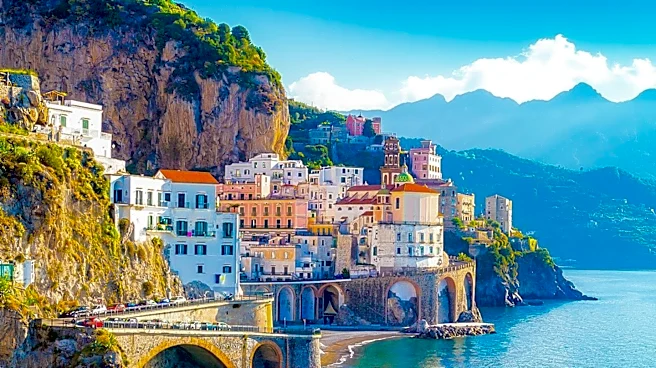
allowing travelers to experience wellness as an inherent part of their holiday. Examples include hiking in the Italian Dolomites, exploring thermal waters in Tuscany, cycling through Slovenia, or visiting historic German spa towns where bathing is part of the local culture. Islands like the Azores and Mediterranean destinations also offer restorative experiences through outdoor activities, fresh local food, and a slower pace of life. The focus is on freedom and flexibility, allowing travelers to balance movement with rest, sightseeing with quiet moments, and structured activities with spontaneous exploration, rather than adhering to a rigid wellness program.
Why It's Important?
This evolution in wellness travel signifies a significant shift in consumer preferences, moving away from isolated, program-driven retreats towards more integrated and authentic experiences. For the European tourism industry, this trend offers an opportunity to attract a broader range of travelers who seek well-being without sacrificing the cultural and exploratory aspects of a holiday. By embedding wellness into the destination itself, regions can leverage their natural landscapes, historical traditions, and local food cultures to create unique and appealing offerings. This approach can also promote sustainable tourism by encouraging longer stays and deeper engagement with local communities and environments. The flexibility of these wellness-integrated trips makes them appealing to diverse groups, including couples or families, where not everyone desires a dedicated wellness program, thereby expanding the market for restorative travel.
What's Next?
The trend of integrating wellness into broader travel experiences is expected to continue growing across Europe, with more destinations highlighting their natural and cultural assets that contribute to well-being. This could lead to increased development of infrastructure supporting outdoor activities, such as hiking and cycling trails, alongside the preservation and promotion of natural thermal waters and local culinary traditions. Tourism boards and hospitality providers may focus on marketing campaigns that emphasize the restorative aspects of their destinations without explicitly labeling them as 'wellness retreats.' There might also be a rise in customizable travel itineraries that allow individuals to blend active pursuits with relaxation, catering to personal preferences. The success of this model will likely encourage other global destinations to adopt similar strategies, moving towards a more holistic and less prescriptive approach to wellness tourism.
Beyond the Headlines
This shift in wellness travel reflects a deeper societal desire for authenticity and a more balanced lifestyle. In an increasingly fast-paced world, travelers are seeking ways to genuinely disconnect and rejuvenate, not just through temporary escapes but through experiences that foster lasting well-being. The integration of wellness into the travel journey suggests a rejection of artificial, curated experiences in favor of organic engagement with nature, culture, and local rhythms. This approach encourages mindfulness and a slower pace, allowing travelers to truly immerse themselves in a destination and its restorative qualities. It also highlights the growing recognition that well-being is not solely about spa treatments but encompasses physical activity, healthy eating, mental tranquility, and cultural enrichment. This trend could inspire a broader re-evaluation of how travel is consumed, emphasizing quality of experience and personal enrichment over mere sightseeing or luxury amenities.