





What's Happening?
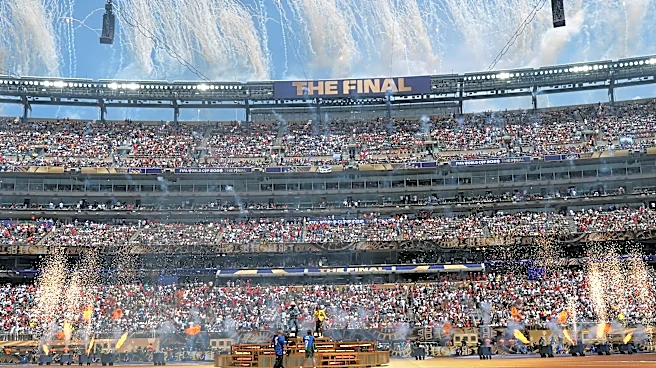
FIFA introduced its first-ever World Cup Final Halftime Show during the 2026 tournament, held in the United States. This move is seen as an effort to align the World Cup with American sports entertainment traditions, similar to the Super Bowl. The halftime
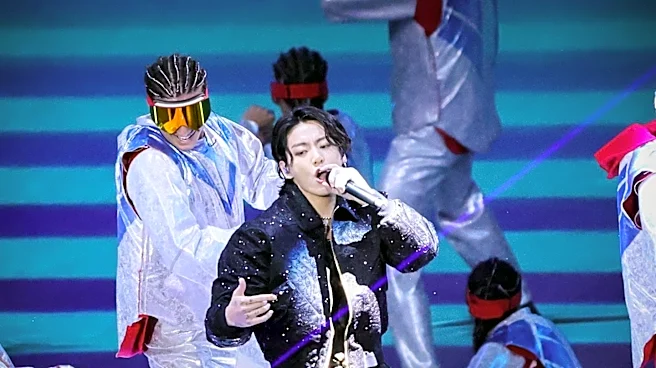
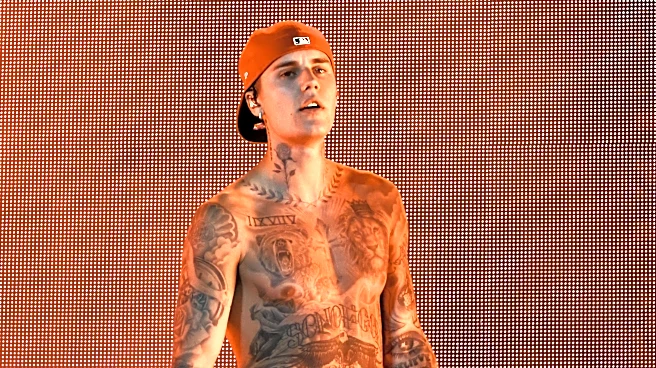
show featured performances by major artists like Justin Bieber, Madonna, and Shakira, aiming to attract a broader audience. The tournament also included mandatory hydration breaks, creating additional advertising opportunities. These changes reflect FIFA's strategy to make the World Cup more appealing to American viewers, who are more familiar with entertainment-driven sports events.
Why It's Important?
The adaptation of the World Cup to include elements typical of American sports events, such as a halftime show, represents a significant shift in how the tournament is presented. This strategy could enhance the World Cup's appeal in the U.S., a market where soccer is not traditionally the most popular sport. By incorporating entertainment elements, FIFA aims to attract casual viewers and increase the sport's visibility. This approach could set a precedent for future tournaments, potentially influencing how international sports events are marketed and consumed globally.
What's Next?
The success of these changes in the 2026 World Cup could influence future tournaments, particularly those hosted in regions where soccer is not the dominant sport. The 2030 World Cup, set to be hosted by Morocco, Portugal, and Spain, may adopt similar strategies if the Americanized format proves successful. FIFA's willingness to adapt its presentation style could lead to a more entertainment-focused approach in future events, potentially reshaping the global sports landscape.