






What's Happening?
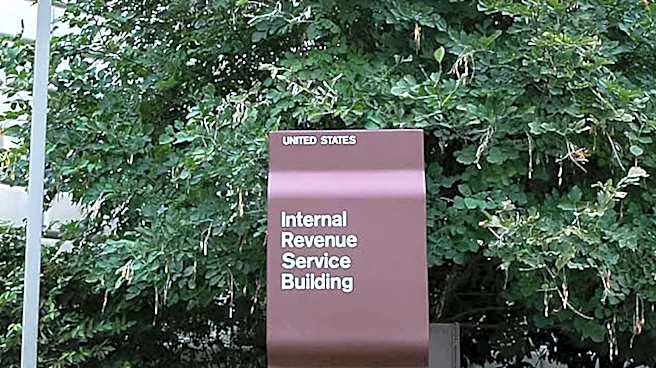
The Internal Revenue Service (IRS) is improving its ability to detect tax mistakes related to cryptocurrency transactions. This development comes as a significant portion of U.S. taxpayers with digital assets like Bitcoin and Ethereum have not been accurately
reporting their transactions. According to a research paper published in the Review of Accounting Studies, only 32% to 56% of these taxpayers report their crypto transactions to the federal government. The IRS has introduced Form 1099-DA, which requires digital asset brokers to report gross proceeds from transactions, making these activities more visible to the federal government. This new requirement, effective from the 2025 tax year, aims to address the compliance gap and ensure that taxpayers accurately report their digital asset transactions.
Why It's Important?
The enhanced visibility of crypto transactions to the IRS is crucial as it increases the likelihood of identifying discrepancies and enforcing compliance. This move is expected to impact a significant number of investors who may have previously underreported their crypto activities, either due to confusion or lack of guidance. The IRS's focus on digital assets reflects the growing importance of cryptocurrencies in the financial landscape and the need for regulatory frameworks to keep pace with technological advancements. As the IRS tightens its oversight, investors may face increased scrutiny and potential penalties for non-compliance, highlighting the importance of accurate tax reporting in the evolving digital economy.
What's Next?
As the IRS continues to refine its approach to crypto taxation, investors can expect further regulatory developments aimed at closing the compliance gap. The introduction of Form 1099-DA is a step towards a more structured tax-reporting system for digital assets, similar to that of traditional securities. Investors will need to adapt to these changes by ensuring they have accurate records of their transactions, including cost basis and holding periods. The IRS's increased focus on digital assets may also prompt further legislative action to address the complexities of crypto taxation, potentially leading to more comprehensive guidelines and support for taxpayers navigating this challenging landscape.