





What's Happening?
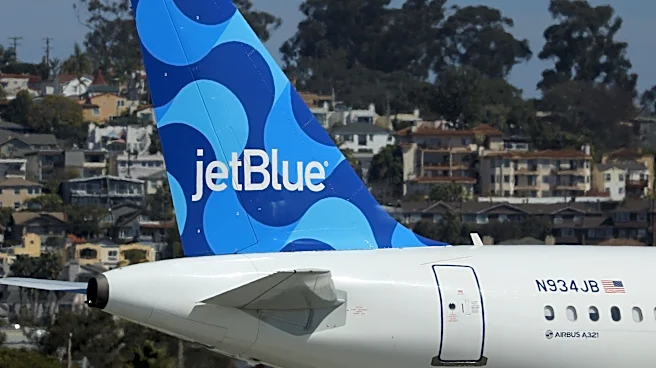
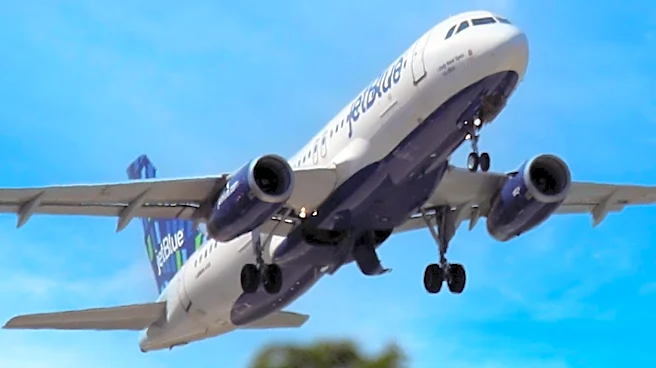
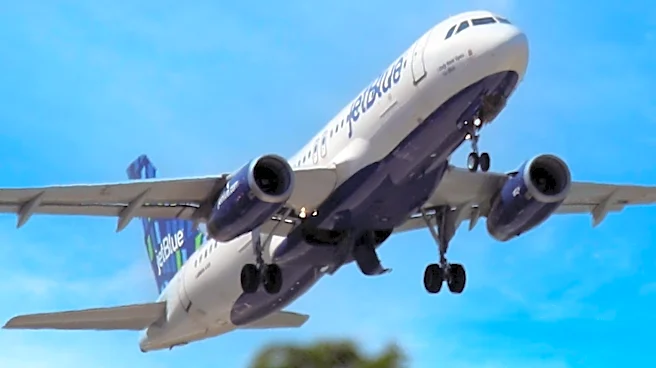
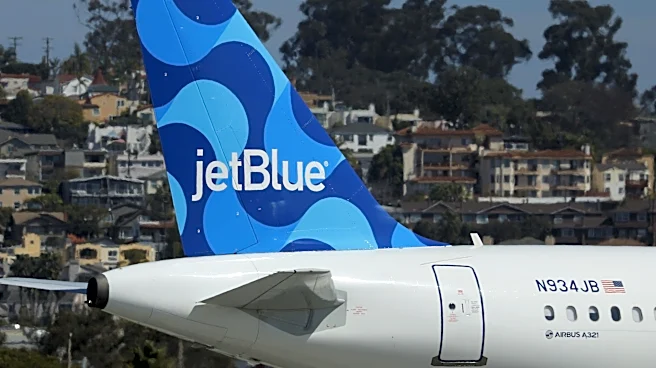
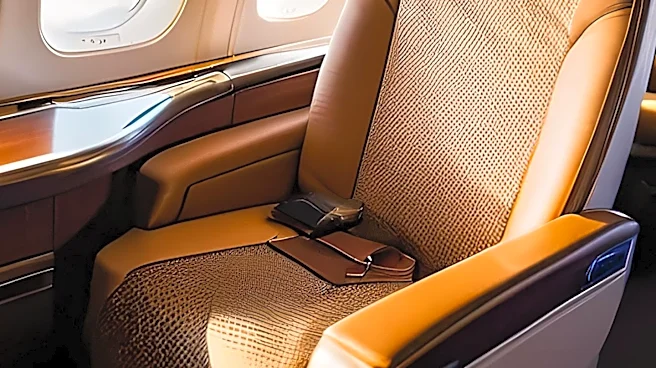
JetBlue has unveiled its new 'BlueFirst' first-class cabin for domestic flights, with services set to begin in December 2026. The announcement was made on November 11 at New York's John F. Kennedy International Airport. JetBlue CEO Joanna Geraghty stated
that cabin renovations will continue throughout 2027. The new configuration will add 12 lie-flat BlueFirst seats to Airbus A320 aircraft, while the number of extra legroom seats will decrease from 42 to 30. First-class menus will feature cold options such as sesame noodles, sandwiches, and tortellini salad, as the aircraft do not have ovens. According to CNBC, a round-trip BlueFirst ticket between New York JFK and Fort Lauderdale in March 2027 was priced at $847, compared to $446 for a standard economy ticket, representing a $401 difference. JetBlue, which last reported an annual profit in 2019, is banking on demand for more spacious seating to support its recovery plan, targeting operating profit by 2027 and adjusted earnings per share of $1 by 2028. Geraghty also noted that ticket prices might not decrease as much as passengers expect, even if fuel prices drop, due to other costs like labor and airport fees. She recently met with creditors and assured bondholders that the company does not require restructuring, reiterating a previous statement from October 27 that there are no plans for bankruptcy. JetBlue concluded the third quarter with $2.2 billion in liquidity and reported $7 billion in unencumbered assets, including $2.8 billion in aircraft and engines, with total debt standing at $8.4 billion as of September 30.
Why It's Important?
JetBlue's introduction of the 'BlueFirst' cabin marks a significant strategic shift for the airline, aiming to capture a larger share of the premium domestic travel market. This move is crucial for JetBlue's financial recovery, as the company has not reported an annual profit since 2019. By investing in a first-class offering, JetBlue is attempting to increase its revenue streams and improve profitability, targeting an operating profit by 2027 and $1 adjusted earnings per share by 2028. The emphasis on more spacious seating reflects a broader industry trend where airlines are catering to passengers willing to pay more for enhanced comfort and services. This strategy could help JetBlue differentiate itself in a competitive market, potentially attracting business travelers and affluent leisure passengers. However, the reduction in extra legroom seats could alienate some existing customers who value the airline's traditional focus on comfort in economy. The airline's financial health, with $2.2 billion in liquidity and $7 billion in unencumbered assets against $8.4 billion in debt, indicates a need for successful execution of this strategy to avoid further financial strain. The CEO's assurances to bondholders about avoiding restructuring are vital for maintaining investor confidence and securing future financing.
What's Next?
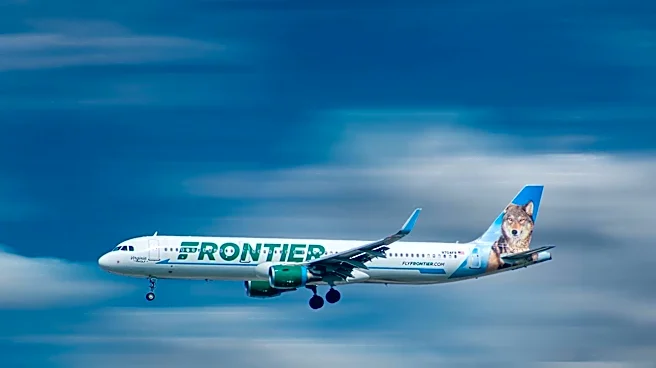
The 'BlueFirst' cabin service is scheduled to commence in December 2026, with cabin renovations continuing throughout 2027. JetBlue will closely monitor the market's response to its new premium offering, particularly the demand for the more expensive first-class tickets. The airline's financial performance in the coming years will be critical, as it aims to achieve operating profit by 2027 and $1 adjusted earnings per share by 2028. The success of this strategy will depend on its ability to attract a sufficient number of premium passengers to offset the investment in cabin upgrades and potentially higher operational costs. Competitors, such as Frontier Airlines, are also moving towards offering first-class options on domestic routes, indicating a growing trend in the U.S. airline industry. JetBlue will need to continuously evaluate its pricing strategy and service offerings to remain competitive. The airline's ongoing discussions with investors and creditors will also be important, as it seeks to demonstrate financial stability and growth potential. Any significant changes in fuel prices, labor costs, or airport fees could impact the airline's profitability targets and necessitate adjustments to its business plan.
Beyond the Headlines
JetBlue's pivot towards a more premium domestic offering highlights a broader evolution in the U.S. airline industry, where carriers are increasingly segmenting their services to cater to diverse passenger needs and maximize revenue. This move could signal a shift away from the traditional low-cost carrier model that JetBlue was partly known for, towards a hybrid model that incorporates elements of full-service airlines. The decision to reduce extra legroom seats in favor of first-class cabins reflects a strategic calculation that the higher revenue generated from premium passengers will outweigh any potential loss from economy passengers seeking more space. This could lead to a more stratified flying experience, where the gap between economy and premium services widens. Ethically, this raises questions about accessibility and affordability of comfortable air travel for all passengers. Culturally, it reinforces the idea of air travel as a tiered experience, with significant differences in comfort and amenities based on price point. The long-term implications could include a more competitive premium domestic market, potentially driving other airlines to enhance their first-class offerings, and a continued focus on ancillary revenues to boost profitability across the industry.