
What's Happening?
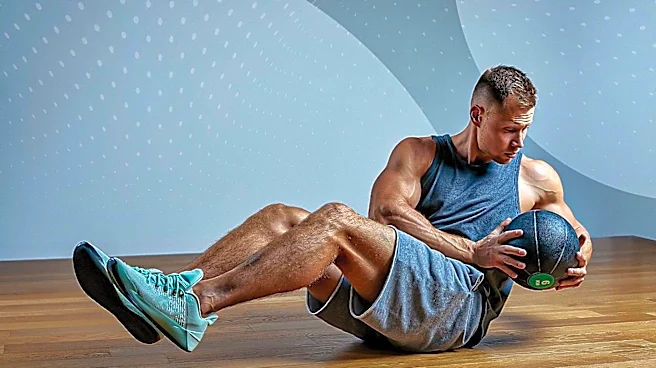
The Russian twist is a seated rotational core exercise that involves leaning the torso back to about a 45-degree angle, bracing the midsection, and rotating from side to side. This exercise primarily targets the internal and external obliques, which are
the muscles along the sides of the trunk responsible for driving rotation. It also recruits the rectus abdominis and transverse abdominis for spinal stabilization, and the hip flexors assist in maintaining the leaned-back position. The Russian twist can be performed with body weight or with added resistance from a medicine ball, dumbbell, or weight plate. Key aspects of proper form include keeping the chest tall, rotating from the trunk rather than just swinging the arms, and exhaling firmly with each twist. Common mistakes to avoid include rounding the back, rushing repetitions, and using too much weight too soon, which can lead to momentum-driven movements rather than effective core engagement.
Why It's Important?
The Russian twist is a popular exercise in core circuits and athletic conditioning because it effectively trains the trunk to resist and produce rotation, mimicking movements required in many sports and daily activities. Developing strong obliques and overall trunk stability is crucial for preventing injuries, improving posture, and enhancing athletic performance. Understanding the correct form and the muscles involved ensures that individuals perform the exercise safely and effectively, maximizing its benefits while minimizing the risk of lower back pain. The ability to scale the exercise, from feet-down bodyweight twists to weighted variations with elevated feet, makes it accessible to beginners while offering progression for more advanced individuals. This detailed guidance helps individuals build a well-rounded core, which is fundamental for overall physical health and functional movement.
What's Next?
Individuals looking to incorporate the Russian twist into their routine are advised to start with body weight and ensure proper form before adding resistance. Progressions include lifting the feet off the floor or holding a light weight, gradually increasing the challenge as core control improves. The article suggests training rotational core work two to three times per week with rest between sessions. If any sharp or pinching lower back pain occurs, individuals should stop and consider substitutions like dead bugs, side planks, or Pallof presses, which offer lower-back-friendly rotation control. The information provided encourages a mindful approach to core training, emphasizing control and proper muscle engagement over simply completing repetitions.
Beyond the Headlines
The detailed explanation of the Russian twist highlights a broader trend in fitness towards understanding the specific functions of core muscles beyond just the 'six-pack.' It underscores the importance of rotational stability and anti-rotation capabilities, which are often overlooked in favor of flexion-based exercises. This focus on functional movement is critical for real-world applications, from sports performance to everyday tasks, and contributes to a more holistic view of core strength. Ethically, the emphasis on proper form, gradual progression, and listening to one's body promotes safe exercise practices, reducing the risk of injury. Culturally, it helps demystify complex exercises, making them more accessible and understandable for the general public, and encourages a more informed approach to personal fitness rather than blindly following trends.