



What's Happening?
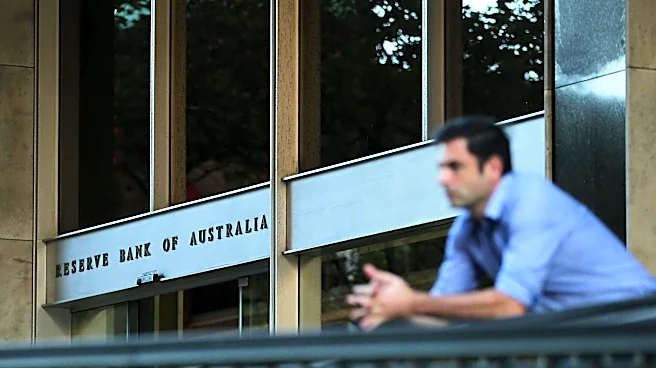
The Reserve Bank of Australia (RBA) has increased its cash rate to 4.85% from 4.6%, marking its highest level since the global financial crisis in late 2008. This is the fifth interest rate hike this year, bringing the total increase to 1.25 percentage
points since February. RBA Governor Michele Bullock stated that the central bank is attempting to balance curbing inflation with avoiding a recession, acknowledging that the sluggish economy might make people feel as though a recession is occurring due to reduced purchasing power. The decision to raise rates was not unanimous, with six board members voting for the increase and three opting to keep the rate at 4.60%. The RBA has also revised its inflation forecasts, now expecting inflation to remain elevated through much of 2027, returning to its 2-3% target range only in late 2027, nine months later than previously anticipated. The unemployment rate is also projected to rise more than previously expected, reaching 5.1% by the end of 2028.
Why It's Important?
This rate hike signifies the RBA's aggressive stance against persistent inflation, which has been driven by factors including higher global oil prices and significant domestic pressures from non-tradable goods and services. The increase will directly impact Australian homeowners, adding approximately A$120 per month to repayments on an average $731,000 mortgage, assuming lenders pass on the full increase. Cumulatively, the five rate increases this year will add about $600 a month to average mortgage repayments. Higher borrowing costs are expected to discourage business investment and hiring, further contributing to economic weakness. The RBA's revised inflation and unemployment forecasts indicate a prolonged period of economic strain for Australian households and businesses, with the central bank facing a difficult balancing act between controlling inflation and preventing a deeper economic downturn.
What's Next?
The RBA Governor has indicated uncertainty regarding future rate movements, stating that the full impact of recent hikes has yet to be felt. However, financial markets are currently pricing in a 50-50 chance of another rate increase to over 5%. Given that underlying inflation remains above the RBA's target range, another rate hike is possible at upcoming meetings in December or early next year. The split vote within the RBA board suggests differing opinions on the necessity of further increases, indicating that future decisions will be closely watched. Australian borrowers should not anticipate interest rate relief in the near future, as the RBA signals it may allow more time for the cumulative effects of this year's rate increases to work through the economy.
Beyond the Headlines
The RBA's current challenge highlights the complexities central banks face when inflation is partly driven by global supply shocks, which cannot be directly addressed by interest rate adjustments. While higher rates can dampen domestic spending and investment, they have limited influence on international factors like oil prices. The economic slowdown, coupled with rising unemployment and increased mortgage burdens, could lead to broader social and political implications in Australia. The emphasis on domestic inflation pressures, particularly in sectors like construction, electricity, and medical treatments, suggests underlying structural issues within the Australian economy that extend beyond global influences. The rapid investment in artificial intelligence and data centers is also noted as a factor pushing up prices for technology-related goods, indicating a new dimension to inflationary pressures.