
What's Happening?
Škoda's new electric vehicles, the Epiq and Peaq, were put to the test during the Tour de France, showcasing their adaptability and performance in various driving conditions. David and Kryštof, who drove the vehicles, navigated through motorway transfers,
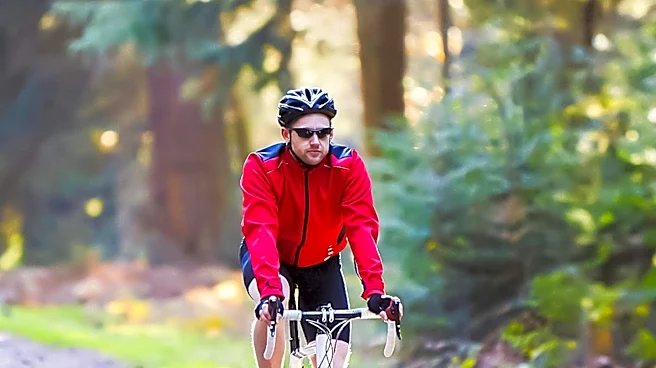
Alpine roads, and narrow village streets, highlighting the cars' capabilities in real-world scenarios. The Epiq, a compact electric crossover, offers a range of approximately 440 kilometers and is designed for urban environments with the flexibility for weekend cycling trips. The Peaq, on the other hand, is larger, offering up to 935 liters of luggage capacity and a range of over 640 kilometers, making it suitable for longer journeys and larger groups. Both vehicles demonstrated their practicality for cyclists, with features like energy recuperation on descents and the ability to charge external devices, including e-bikes.
Why It's Important?
The testing of Škoda's Epiq and Peaq at a high-profile event like the Tour de France underscores the growing importance of electric vehicles (EVs) in supporting diverse lifestyle needs, particularly for cycling enthusiasts. As the demand for sustainable transportation solutions increases, these vehicles offer practical options for urban commuters and adventure seekers alike. The Epiq's compact design caters to city dwellers who require a versatile vehicle for both daily use and weekend getaways, while the Peaq's larger capacity and range make it ideal for families and groups embarking on longer trips. This aligns with broader trends in the automotive industry towards electrification and the integration of EVs into everyday life, potentially influencing consumer preferences and driving further innovation in the sector.
What's Next?
As electric vehicles continue to gain traction, manufacturers like Škoda are likely to expand their offerings to meet the diverse needs of consumers. The successful testing of the Epiq and Peaq at the Tour de France could lead to increased interest and adoption of these models, particularly among cycling enthusiasts and those seeking sustainable transportation options. Future developments may include enhancements in battery technology, increased range, and additional features tailored to specific lifestyle requirements. Additionally, the integration of EVs into major sporting events could become more common, serving as a platform to demonstrate their capabilities and promote sustainable mobility solutions.
Beyond the Headlines
The deployment of electric vehicles in events like the Tour de France highlights the intersection of sports, technology, and sustainability. It reflects a shift towards environmentally conscious practices within the sporting world, where the use of EVs can reduce the carbon footprint of large-scale events. This trend may encourage other sports organizations to adopt similar practices, promoting a culture of sustainability across various sectors. Furthermore, the ability of EVs to support outdoor activities, such as cycling, without compromising on performance or convenience, could lead to broader acceptance and integration of electric mobility in everyday life.