








What's Happening?
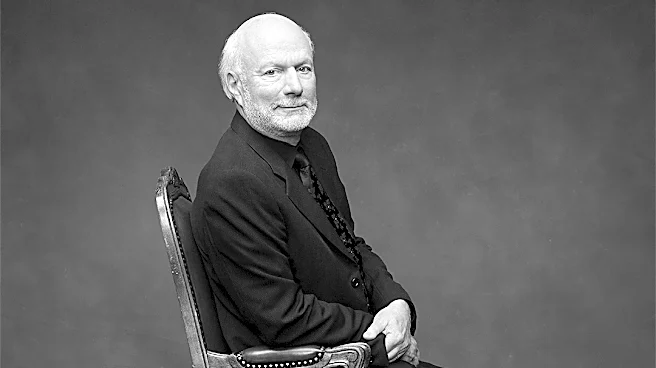
James Burrows, a legendary television director known for his work on some of the most iconic sitcoms in television history, has passed away at the age of 85. Burrows was celebrated for his contributions to shows such as 'Cheers,' 'The Mary Tyler Moore
Show,' 'Will & Grace,' and 'Friends.' His career spanned several decades, during which he became a pivotal figure in shaping the landscape of American television comedy. Burrows' work not only entertained millions but also set a high standard for sitcom production, influencing countless directors and writers in the industry.
Why It's Important?
James Burrows' impact on the television industry is profound, as he directed and produced shows that became cultural touchstones for generations. His ability to craft engaging and humorous narratives helped elevate the sitcom genre, making it a staple of American entertainment. The loss of Burrows marks the end of an era for television, as he was one of the last remaining figures from a golden age of TV comedy. His work continues to influence modern television, with many current shows drawing inspiration from the style and humor he pioneered. The industry mourns the loss of a visionary who helped define what television could be.
What's Next?
As the television industry reflects on James Burrows' legacy, there may be renewed interest in his work, leading to retrospectives and tributes that celebrate his contributions. Networks and streaming services might revisit his classic shows, introducing them to new audiences. Additionally, Burrows' passing could inspire discussions about the evolution of sitcoms and the future of television comedy, as industry professionals consider how to honor his legacy while innovating for the future.
Beyond the Headlines
James Burrows' work not only entertained but also reflected and shaped societal norms and values through humor. His shows often tackled social issues with wit and sensitivity, contributing to broader cultural conversations. As the industry evolves, Burrows' approach to storytelling—balancing humor with meaningful commentary—remains relevant, offering a blueprint for future creators aiming to engage audiences while addressing contemporary issues.