







What's Happening?
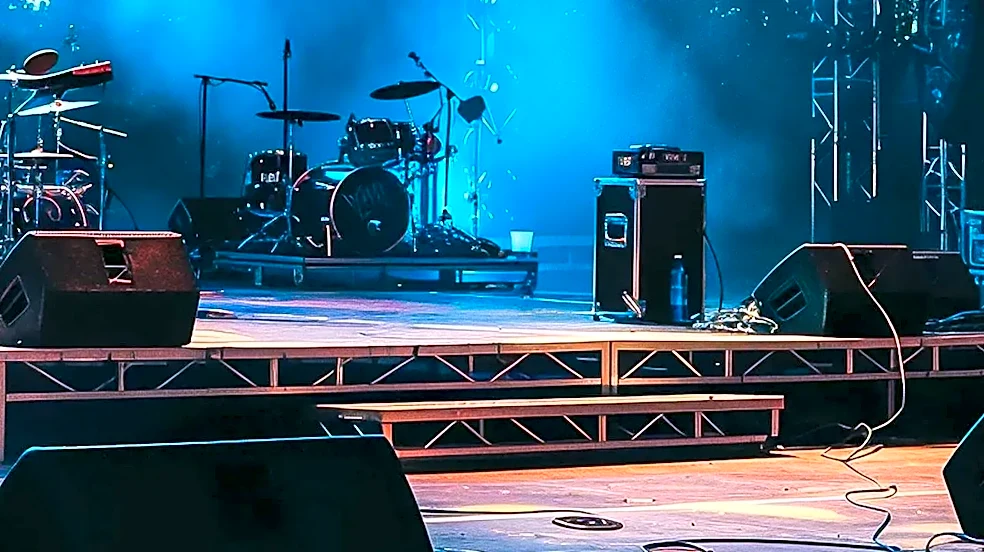
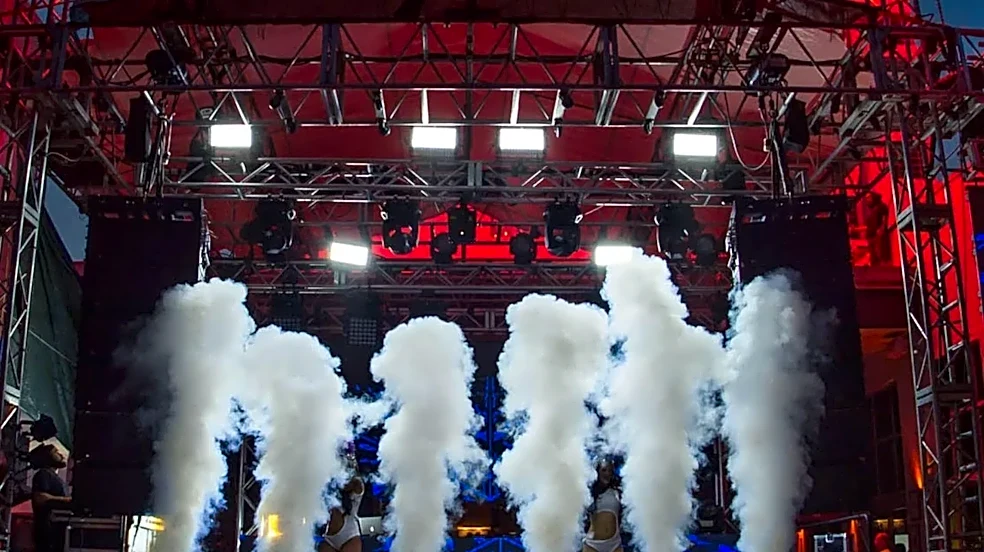
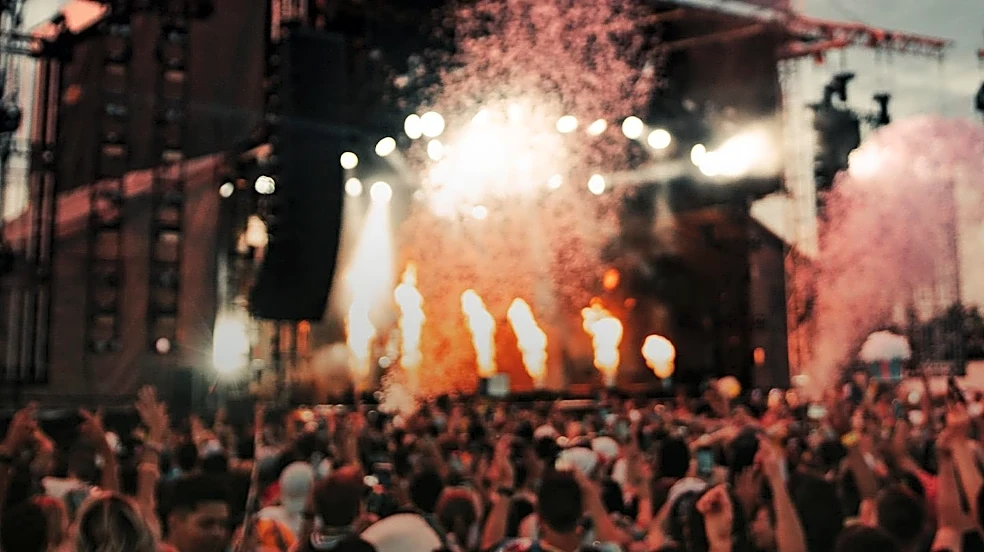
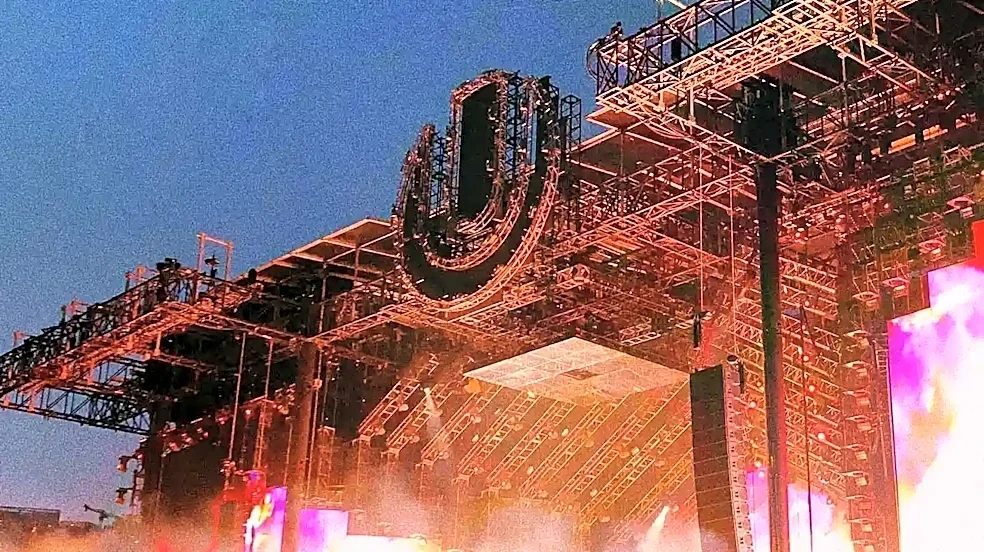
The Bonnaroo Music & Arts Festival employs a strategic multi-stage scheduling approach to keep attendees engaged and on-site for longer durations. This method ensures that there is always an event or performance occurring on at least one stage, preventing
empty periods that could lead to a decrease in energy and encourage guests to leave. By spreading activities across various areas, Bonnaroo promotes movement and exploration throughout the festival grounds. This strategy is part of a broader effort by festivals to create a continuous, dynamic experience, moving beyond simply a list of performances to a full-day engagement. The goal is to maintain high energy levels across the entire event, rather than concentrating it in a single area or stage, thereby maximizing guest retention and satisfaction.
Why It's Important?
This strategic scheduling is crucial for the economic viability and overall success of large-scale music festivals like Bonnaroo. By keeping guests on-site longer, festivals can increase revenue from food and beverage sales, merchandise, and other on-site activities. It also enhances the perceived value of the festival ticket, encouraging repeat attendance and positive word-of-mouth. For the entertainment industry, this approach highlights the importance of event flow and audience psychology in festival planning. It demonstrates a shift towards experiential design, where the entire event structure is curated to optimize guest experience, rather than just focusing on individual acts. This model can influence how other multi-stage events, from music festivals to cultural gatherings, plan their logistics and programming to maximize engagement and profitability.
What's Next?
The continued success of Bonnaroo's multi-stage scheduling model is likely to reinforce its adoption across the festival industry. Event organizers will likely further refine these strategies, incorporating more interactive experiences, staggered headliners, and diverse entertainment types to maintain continuous engagement. There may be an increased focus on data analytics to understand guest movement patterns and preferences, allowing for even more optimized scheduling. Additionally, the emphasis on creating a 'full-day experience' suggests a trend towards more immersive and comprehensive event offerings, potentially leading to innovations in festival infrastructure and programming that prioritize guest comfort and continuous entertainment. This could also lead to new partnerships with technology providers to enhance real-time scheduling adjustments and guest communication.
Beyond the Headlines
The strategic use of multi-stage scheduling at festivals like Bonnaroo reflects a deeper understanding of consumer behavior in the experience economy. It underscores the idea that in a saturated entertainment market, simply offering a lineup of performers is no longer sufficient. The 'ethno chaos' described by groups like DakhaBrakha, who have performed at Bonnaroo, also highlights the cultural dimension of these festivals, where diverse artistic expressions are integrated into a cohesive, engaging experience. This approach fosters a sense of community and shared experience, which can have lasting cultural impacts beyond the event itself. It also raises questions about the sustainability of such intensive scheduling and the potential for performer burnout, as well as the environmental impact of large, continuously active festival sites.