






What's Happening?
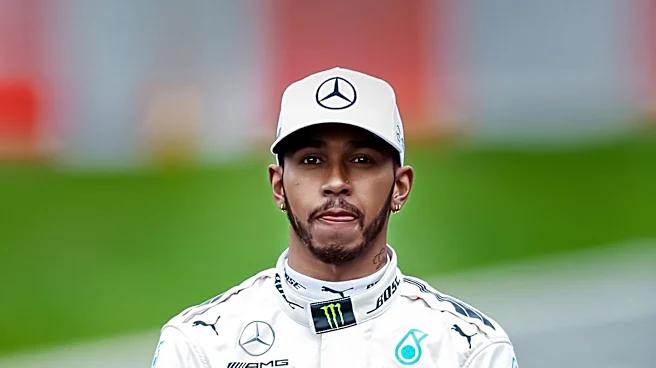
Rumors have been circulating online, particularly on X (formerly Twitter), alleging that Kim Kardashian cheated on Lewis Hamilton. A fan page posted claims that Lewis Hamilton went live on Instagram, stating that Kardashian betrayed him by being with
his childhood friend, Nico Rosberg, during what she claimed was a business trip. The post further suggested that Kanye West had previously warned Hamilton about Kardashian. However, these claims are entirely fabricated. The video clip attached to the viral post, purportedly showing Hamilton discussing the betrayal, actually features him talking about his career and makes no mention of Kim Kardashian or any cheating scandal. Neither Kim Kardashian nor Lewis Hamilton has publicly addressed or reacted to these negative rumors, choosing instead to focus on their relationship and respective careers.
Why It's Important?
The rapid spread of unsubstantiated rumors and fabricated stories on social media platforms highlights a significant challenge in the digital age: the ease with which misinformation can go viral and influence public perception. For high-profile individuals like Kim Kardashian and Lewis Hamilton, such rumors can lead to unwarranted scrutiny and damage their public image, even if proven false. This incident underscores the importance of media literacy and critical thinking among social media users, as many initially believed the fake post, leading to outrage and debate among fans. It also demonstrates the potential for fan pages and unverified accounts to create and disseminate false narratives, impacting the personal and professional lives of celebrities and potentially eroding trust in online information sources.
What's Next?
Given that both Kim Kardashian and Lewis Hamilton have chosen not to react to the rumors, it is likely they will continue to ignore the fabricated claims. The online debate among fans, which saw some believing the false narrative and others debunking it, may gradually subside as the lack of credible evidence becomes more apparent. However, the incident serves as a reminder of the persistent nature of online gossip and the challenges celebrities face in managing their public image in an environment where misinformation can spread rapidly. Future instances of similar rumors are possible, and the public's response will continue to depend on their ability to discern credible information from fabricated content.
Beyond the Headlines
This event touches upon broader societal implications regarding the consumption and dissemination of information in the digital era. The incident exemplifies how easily narratives can be constructed and amplified online, regardless of their factual basis. It raises questions about the responsibility of social media platforms in curbing the spread of misinformation and the ethical considerations for individuals who create and share such content. Furthermore, it highlights the psychological impact on public figures who are constantly subjected to intense scrutiny and often baseless speculation. The public's engagement with such stories also reflects a broader cultural fascination with celebrity relationships and personal lives, often prioritizing sensationalism over verified facts, which can have long-term effects on public discourse and trust in media.