





What's Happening?
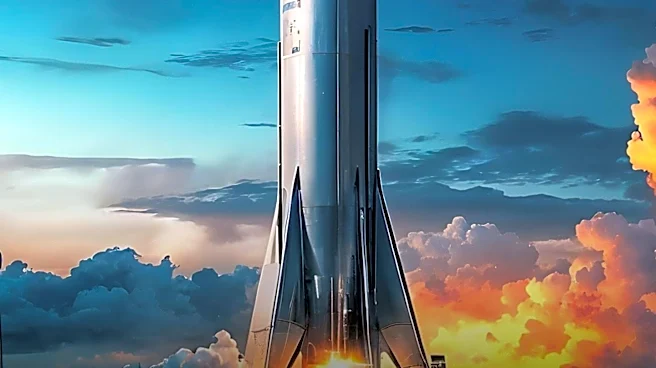
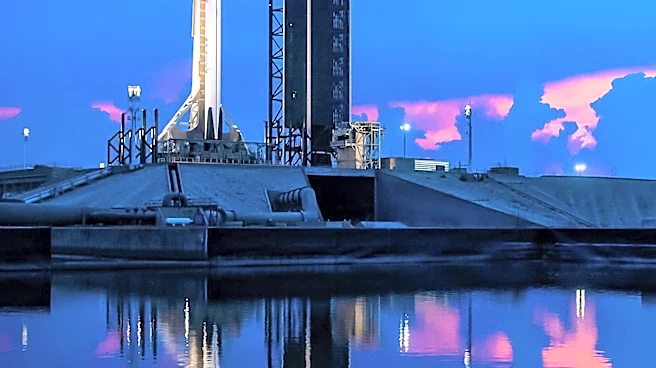
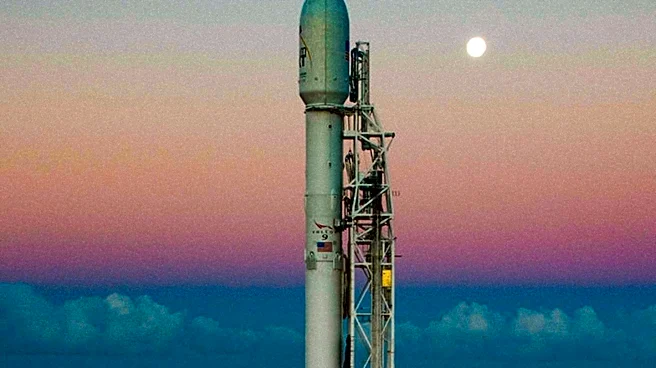
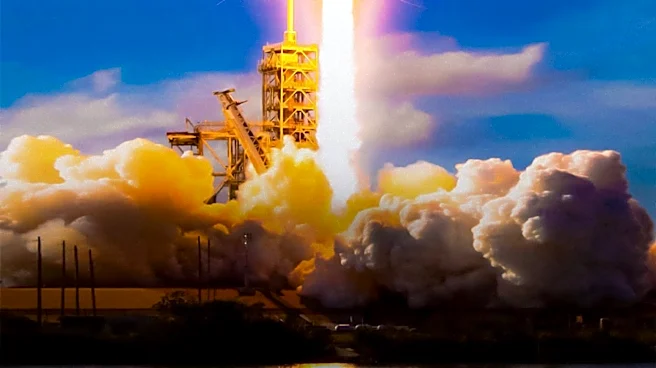
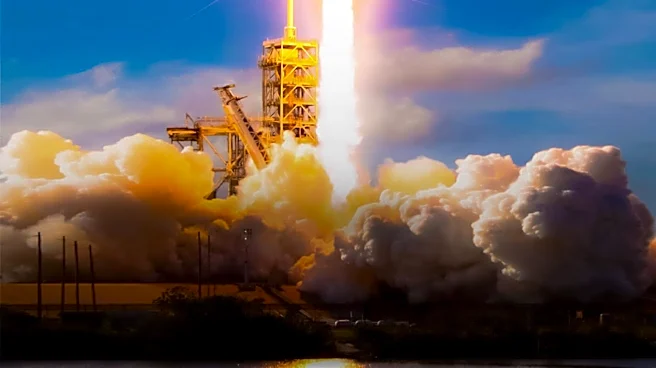
SpaceX successfully launched a Northrop Grumman robotic spacecraft on July 21, designed to extend the operational life of aging satellites by installing propulsion modules in geostationary orbit. The launch, which took place at Cape Canaveral Space Force
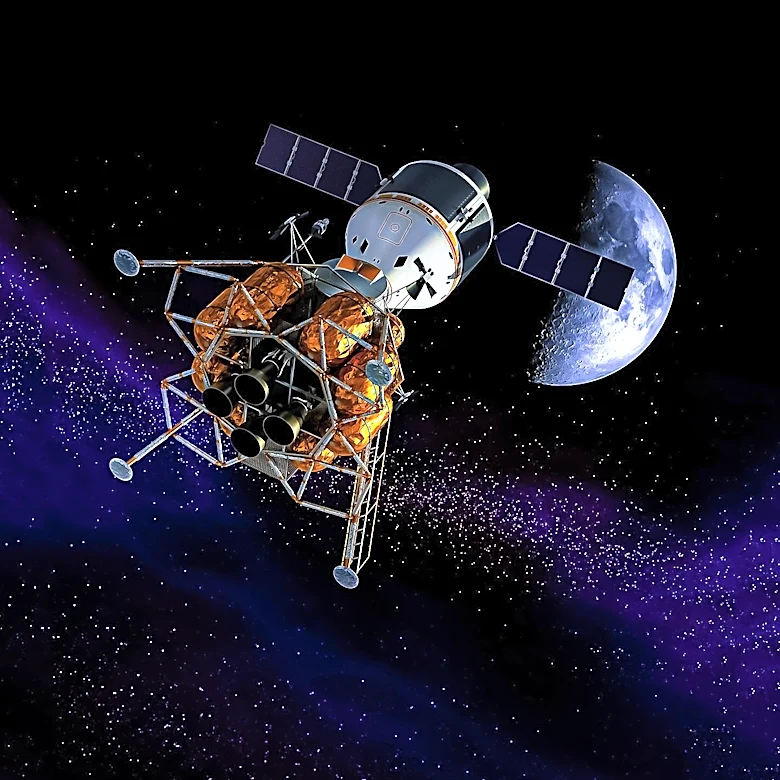
Station in Florida, involved a Falcon 9 rocket carrying a Mission Robotic Vehicle (MRV) and three Mission Extension Pods. These spacecraft, developed by Northrop Grumman's SpaceLogistics subsidiary, are intended to reach geostationary orbit and service multiple satellites. The MRV will use its robotic arms to attach the pods to satellites, allowing them to maintain their orbital positions and extend their operational life by approximately six years.
Why It's Important?
This mission represents a significant advancement in satellite servicing technology, offering a scalable solution for extending the life of satellites without the need for refueling. By enabling satellites to continue operating beyond their expected lifespan, this technology can reduce the need for launching new satellites, potentially lowering costs for satellite operators and reducing space debris. The success of this mission could lead to increased demand for similar services, impacting the satellite industry and related sectors.
What's Next?
Following the initial installations, Northrop Grumman plans to launch additional Mission Extension Pods for future customers, keeping the MRV in orbit for ongoing servicing missions. The U.S. Space Force has expressed interest in accessing MRV services once operational, indicating potential government contracts. The success of this mission could pave the way for further developments in satellite servicing technology and expanded commercial opportunities.