








What's Happening?
The South African Reserve Bank (SARB) is set to launch a pilot project in January 2027 for ATMs that are not tied to individual banks. These shared ATMs are designed to allow customers from various banks to withdraw cash with minimal fees. The regulator
aims to deploy the initial batch of these ATMs across South Africa by the end of 2027. This initiative is part of the SARB's Cash Smart strategy, which seeks to reduce the costs associated with accessing cash, particularly for low-income individuals who heavily rely on cash for daily transactions, including minibus taxi fares.
Why It's Important?
This pilot project is significant for financial inclusion and competition within South Africa's banking sector. By providing shared ATMs, the SARB aims to lower transaction costs and improve access to cash for millions of residents, especially those in underserved areas where ATM availability is limited. Cash transactions still account for approximately 56% of all consumer transactions in South Africa, with annual costs related to cash usage estimated at 88.5 billion rand. This move could empower consumers, particularly low-income individuals, by reducing financial burdens and increasing convenience. It also signals a broader effort by the central bank to foster innovation and competition by allowing non-bank institutions into the payment system.
What's Next?
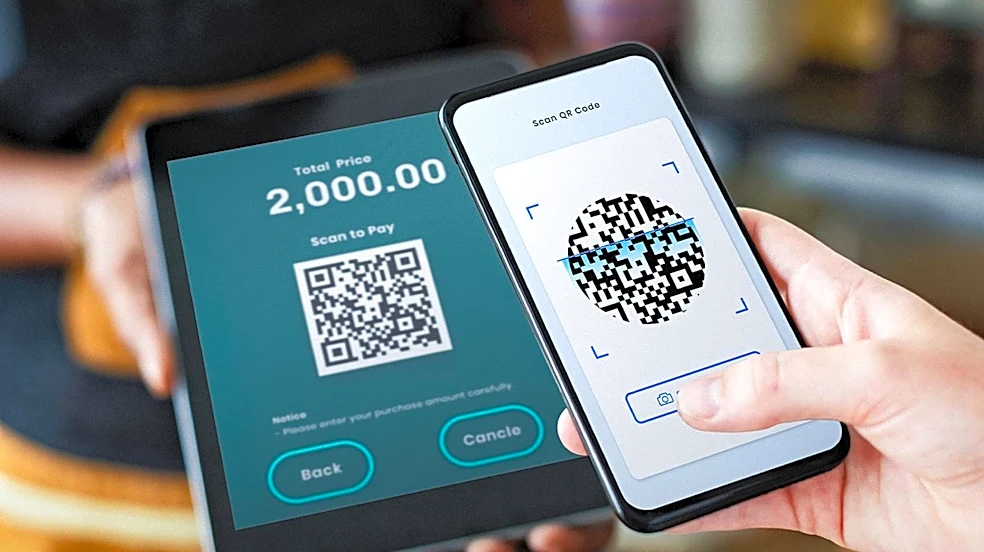
Following the pilot launch in January 2027, the SARB plans to roll out more shared ATMs throughout the country by the end of that year. Concurrently, the central bank is developing other initiatives, including PayShap, an instant transfer platform that has already processed over 1 billion transactions, and a unified QR+ QR code standard for small businesses and street vendors, set for piloting in the first quarter of 2027. The SARB is also working on a unified digital identity for payments to streamline customer data verification. These steps collectively aim to modernize South Africa's payment infrastructure, enhance financial accessibility, and promote a more competitive financial landscape.
Beyond the Headlines
The introduction of shared ATMs and other digital payment initiatives by the South African Reserve Bank reflects a global trend towards democratizing financial services and leveraging technology to address socio-economic disparities. This strategy goes beyond mere convenience; it tackles fundamental issues of access, cost, and competition in the financial sector. By reducing barriers to cash access and promoting digital payments, the SARB is not only improving the daily lives of its citizens but also laying the groundwork for a more inclusive and efficient economy. The success of these initiatives could serve as a model for other developing nations facing similar challenges in financial inclusion.