

What's Happening?
The NBA offseason has been marked by a flurry of trades, signings, and contract extensions as teams across the league work to optimize their rosters. Notable moves include the Charlotte Hornets re-signing Coby White to a three-year deal and acquiring
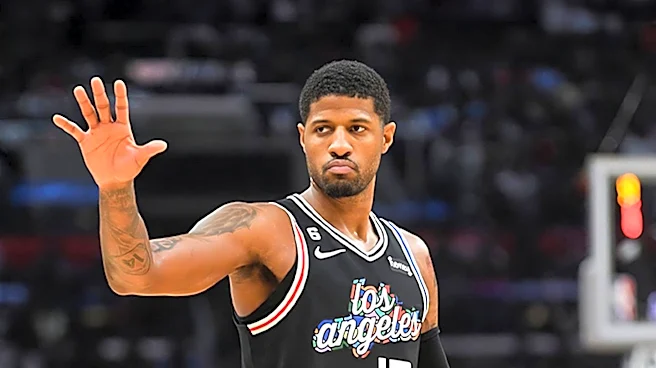
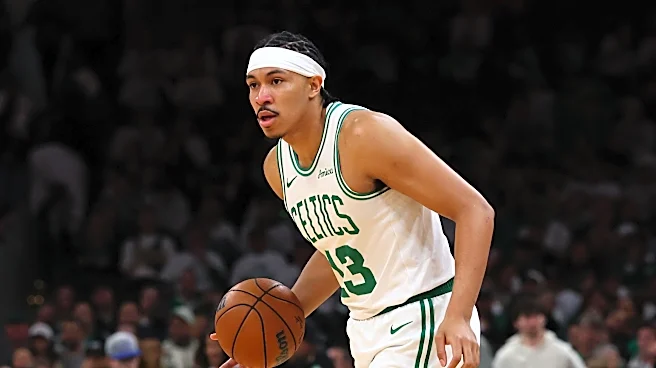
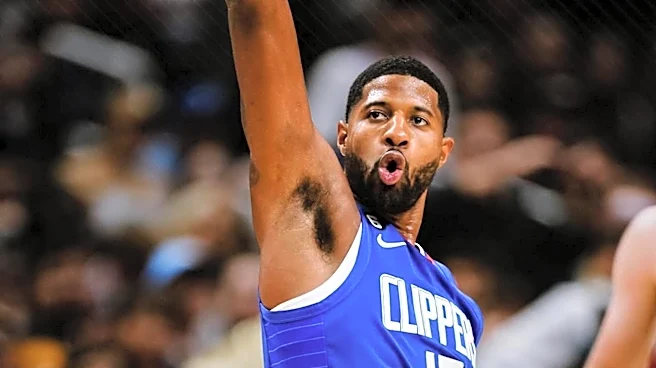
players like Grayson Allen and Dorian Finney-Smith through trades. The Boston Celtics have also been active, trading Jaylen Brown to the 76ers and acquiring Paul George. Meanwhile, the Cleveland Cavaliers secured Donovan Mitchell with a four-year extension. These transactions reflect a strategic approach by teams to balance talent retention with new acquisitions, often leveraging trades to navigate salary cap constraints.
Why It's Important?
This offseason activity highlights the strategic maneuvers teams must undertake to remain competitive in the NBA. By focusing on trades and extensions, teams can manage salary cap limitations while retaining key players and acquiring new talent. This approach allows teams to build depth and maintain flexibility, which is crucial for long-term success. The ability to navigate these complex transactions effectively can significantly impact a team's performance in the upcoming season, influencing playoff prospects and championship aspirations.
What's Next?
As the offseason progresses, teams will continue to assess their rosters and make adjustments as needed. The focus will likely shift to training camps and preseason preparations, where teams will evaluate the effectiveness of their offseason moves. The success of these strategies will become evident as the regular season unfolds, with teams aiming to capitalize on their strengthened rosters. Fans and analysts will be watching closely to see how these changes translate into on-court performance and whether they lead to improved standings and playoff success.