





What's Happening?
Gold prices have maintained stability above the US$4,000 mark despite escalating tensions between the United States and Iran. On Friday, spot gold increased by 0.6% to US$4,080 an ounce, marking a weekly gain of over 1%. This stability comes in the wake
of renewed conflict in the Middle East, where the US and Iran exchanged attacks following unsuccessful peace negotiations. The ongoing conflict, which began in late February, has previously pressured gold prices due to expectations of higher interest rates aimed at countering inflation driven by Gulf supply disruptions. Despite these pressures, gold has consistently hovered around the US$4,000 level, with any dips quickly met by rebounds attributed to dip buying and short covering.
Why It's Important?
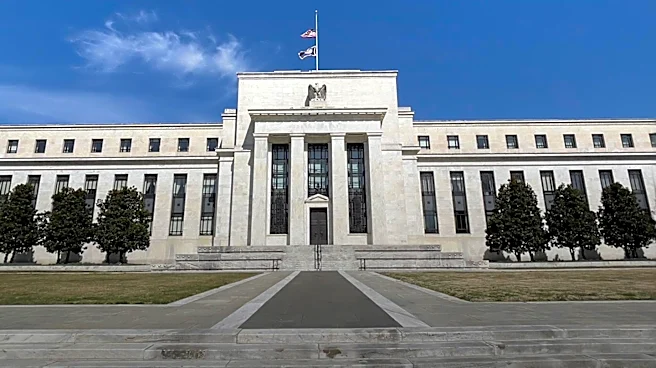
The stability of gold prices amidst geopolitical tensions is significant for investors and the broader economy. Gold is often seen as a safe-haven asset during times of uncertainty, and its ability to hold firm suggests confidence among investors despite the volatile geopolitical landscape. The situation also highlights the complex interplay between geopolitical events and financial markets, where rising oil prices and interest rate concerns are influencing commodity prices. The Federal Reserve's upcoming policy meeting is anticipated to provide further guidance on interest rates, which could impact gold prices. A stable gold price can provide a buffer for investors against market volatility, while also influencing decisions in sectors reliant on precious metals.
What's Next?
Market participants are closely watching the Federal Reserve's policy meeting next week, where it is expected to maintain current interest rates. However, there is anticipation of a potential rate increase in September, which could affect gold prices. The ongoing US-Iran tensions may continue to influence market dynamics, with any further escalation potentially impacting investor sentiment and commodity prices. Analysts suggest that a significant upward movement in gold prices would require a drastic change in US monetary policy or a major geopolitical shift.