




What's Happening?
SpaceX has experienced a significant transformation in its business model, with quarterly revenue surging by an astonishing 161% year-on-year, from $5.58 billion to $14.58 billion in just 12 months. According to Charles-Henry Monchau, CFA, CMT, CAIA,
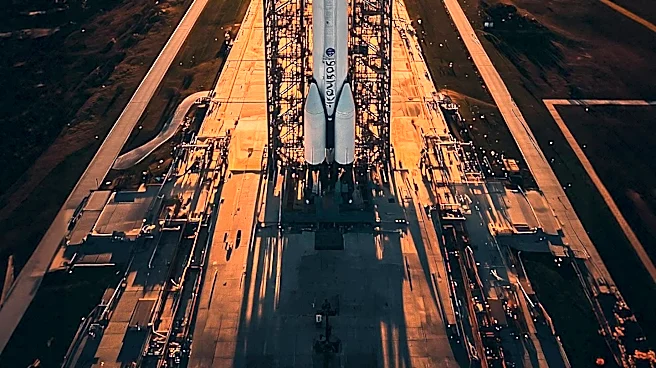
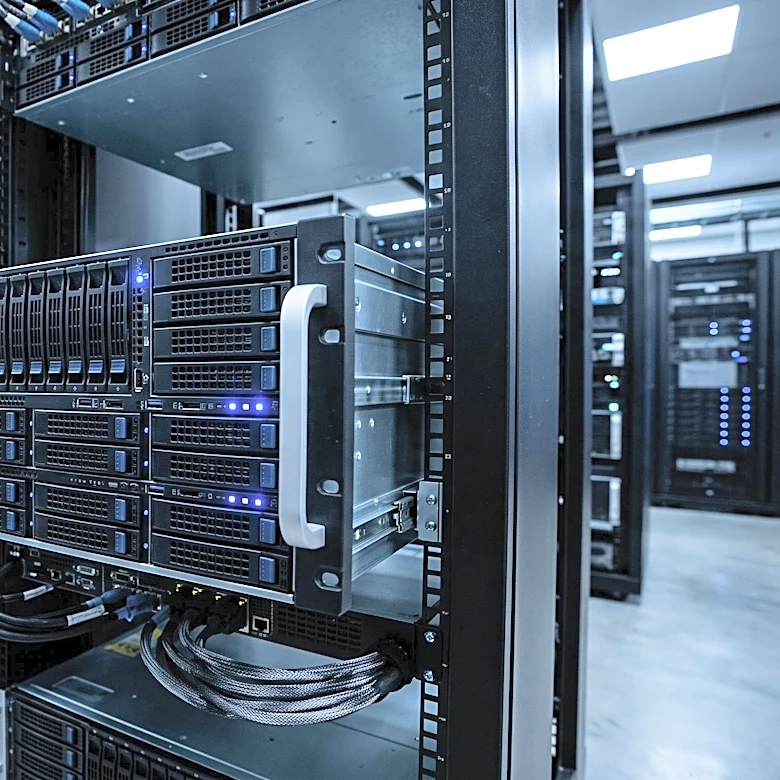
the company's 'Super Intelligence' segment now accounts for 52% of total revenue, reaching $7.56 billion, a 9.3x increase. Starlink, its global satellite connectivity service, continues its expansion, contributing $5.25 billion. Notably, rockets and space operations, which were once synonymous with the company, now represent only 12% of SpaceX's total revenue. This shift indicates a broader strategic focus beyond traditional rocket launches, integrating artificial intelligence, global satellite connectivity, and space infrastructure.
Why It's Important?
This dramatic shift in SpaceX's revenue composition highlights a significant evolution in the aerospace and technology sectors. The company's move beyond solely rocket manufacturing and launch services into 'Super Intelligence' and Starlink positions it at the intersection of several transformative industries. For U.S. industries, this signifies the increasing convergence of space technology with artificial intelligence and global connectivity, potentially driving innovation and competition in these areas. Investors face a new challenge in valuing a company that defies traditional aerospace classifications, as its economic model now encompasses diverse high-growth sectors. This development could also influence public policy discussions regarding space infrastructure, AI regulation, and global internet access, as SpaceX's expanded operations have far-reaching implications for national security, economic development, and technological advancement.
What's Next?
The continued expansion of SpaceX's 'Super Intelligence' and Starlink operations suggests a future where the company plays an even more central role in global technological infrastructure. This diversification could lead to increased competition with established players in AI and telecommunications. For investors, the key question remains how to accurately assess the value of a company operating across such varied and rapidly evolving sectors. Future developments may include further integration of AI into its space operations, expanded Starlink coverage, and potentially new applications for its 'Super Intelligence' capabilities. Regulatory bodies may also need to adapt to the evolving nature of companies like SpaceX, which blur the lines between traditional industries, potentially leading to new policy frameworks for space, AI, and global connectivity.
Beyond the Headlines
The transformation of SpaceX into a multi-faceted technology giant, where rockets are a minority revenue source, has deeper implications for how we perceive and categorize companies in the 21st century. This shift challenges conventional industry classifications and underscores the growing importance of cross-sector innovation. Ethically, the increasing power of private entities in critical infrastructure like global satellite connectivity and advanced AI raises questions about data privacy, access, and potential monopolistic tendencies. Legally, existing frameworks for aerospace, telecommunications, and artificial intelligence may need to be re-evaluated to address the unique challenges and opportunities presented by companies operating at this scale and scope. Culturally, SpaceX's evolution could inspire a new generation of entrepreneurs to think beyond traditional industry boundaries, fostering a more integrated and interdisciplinary approach to technological development.