









What's Happening?
Dr. Christopher Sciamanna, a professor of medicine at Penn State, has developed a minimal exercise routine aimed at improving longevity with just four minutes of daily activity. His research suggests that short bursts of exercise can significantly enhance
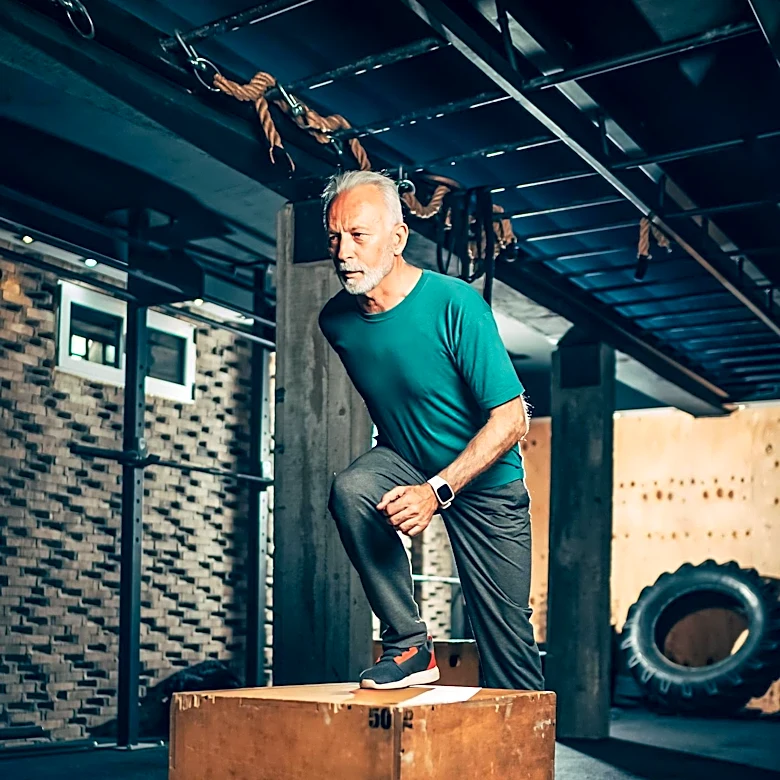
strength and resilience, particularly for those who are typically inactive. Sciamanna's study, published in PLOS One, involved participants aged 65 and older performing simple exercises like push-ups, squats, and resistance-band rows for 30 seconds each, with rest intervals. Over 12 weeks, participants showed marked improvements in mobility and balance, which are critical indicators of healthy aging. Sciamanna's approach, known as FAST (Functional Activity Strength Training), emphasizes the importance of consistency and progressive overload in exercise routines.
Why It's Important?
The significance of Sciamanna's research lies in its potential to make exercise more accessible and less daunting for older adults and those new to fitness. By demonstrating that even minimal exercise can yield substantial health benefits, this approach could encourage more people to incorporate physical activity into their daily lives, potentially reducing healthcare costs and improving quality of life. The study's findings also highlight the importance of maintaining mobility and balance as key factors in aging healthily, which could influence public health strategies and fitness programs targeting older populations.
What's Next?
Further research is needed to explore the long-term benefits of Sciamanna's exercise protocol and its applicability to different age groups. As the study gains attention, it may inspire similar research efforts and influence fitness guidelines for older adults. Additionally, healthcare providers and fitness professionals might consider integrating short, manageable exercise routines into their recommendations for patients and clients, particularly those who are sedentary or have limited time for physical activity.
Beyond the Headlines
Sciamanna's work also touches on psychological aspects of exercise adherence. By focusing on achievable goals and the satisfaction of progress, his approach addresses common barriers to exercise, such as fear of failure and lack of motivation. This psychological insight could be crucial in designing effective fitness interventions that not only improve physical health but also enhance mental well-being.