





What's Happening?
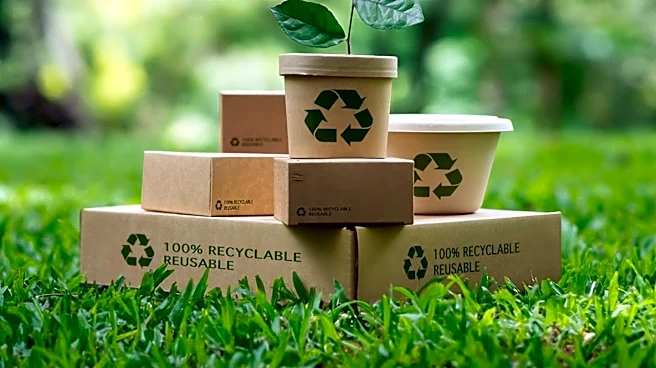
Sustainable packaging is increasingly recognized by U.S. businesses as a critical factor in reducing environmental waste, enhancing brand image, and fostering product innovation. This approach involves using recyclable, reusable, compostable, or responsibly
sourced materials, moving beyond simply replacing plastic with paper to consider the entire lifecycle of packaging, including production, transportation, durability, and disposal. Companies are exploring creative solutions such as reusable containers, recyclable cardboard, and molded paper inserts. This shift is driven by growing consumer environmental awareness and changing expectations, prompting businesses to rethink traditional packaging methods. The goal is to minimize resource consumption and waste generation throughout the product's journey, from manufacturing to end-of-life.
Why It's Important?
The adoption of sustainable packaging holds significant importance for U.S. industries, impacting brand perception, customer loyalty, and operational efficiency. By demonstrating a commitment to environmental responsibility through packaging choices, businesses can build a positive brand image and attract environmentally conscious consumers. This can lead to increased customer loyalty, as many consumers prefer to support brands that align with their values. Furthermore, sustainable packaging encourages businesses to optimize resource management, potentially reducing material consumption, improving storage, and lowering transportation costs due to lighter packaging. It also fosters product innovation, pushing companies to develop new and improved packaging solutions that are both functional and environmentally friendly, thereby creating new market opportunities and competitive advantages.
What's Next?
As environmental expectations continue to evolve among consumers, retailers, and regulators in the U.S., businesses are likely to face increasing requirements related to packaging recyclability, material use, labeling, and producer responsibility. Early adoption of sustainable packaging practices will help companies prepare for these future changes and navigate potential regulatory landscapes. Working with specialized sustainable packaging suppliers will become crucial for businesses to compare materials, explore suitable formats, and ensure compliance with applicable regulations. This proactive approach will not only help businesses meet evolving standards but also position them as leaders in sustainability, potentially influencing industry-wide shifts towards more responsible packaging practices and contributing to a more circular economy.
Beyond the Headlines
The move towards sustainable packaging extends beyond immediate environmental and business benefits, touching upon deeper ethical and cultural dimensions. It signifies a broader societal shift towards valuing environmental stewardship and corporate responsibility. This trend challenges the traditional 'take-make-dispose' economic model, promoting a circular economy where materials are kept in use for as long as possible. The emphasis on clear disposal instructions and the availability of recycling infrastructure highlights the collective responsibility of businesses and consumers in achieving true sustainability. This evolution in packaging also encourages a re-evaluation of consumption patterns, fostering a culture where reuse and responsible material recovery are prioritized, ultimately contributing to a more conscious and sustainable consumer culture in the U.S.