



What's Happening?
Florida homeowners are increasingly focusing on creating outdoor living spaces that serve as comfortable extensions of their indoor environments, particularly to combat the intense heat. Key strategies include incorporating shade structures like pergolas,
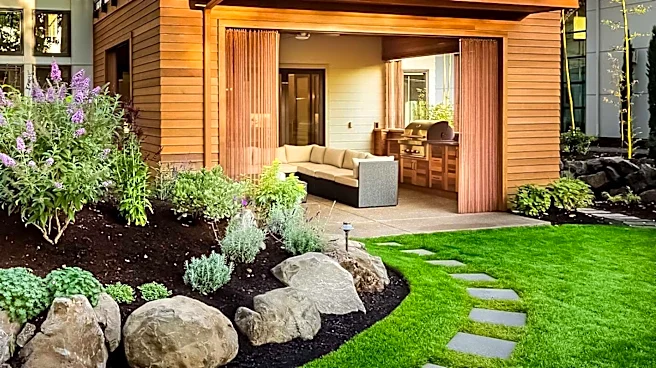
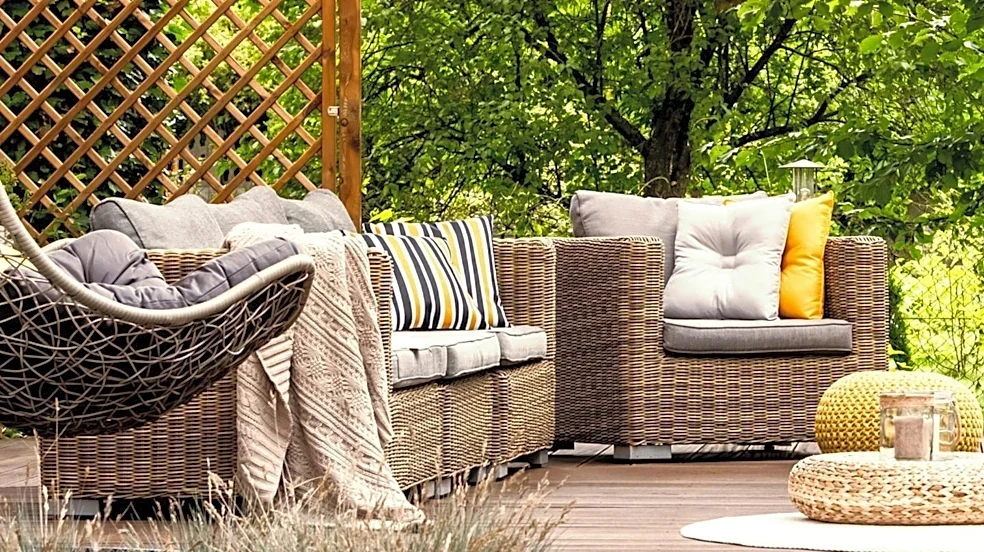
pavilions, and lanais, which are designed to blend seamlessly with the home's interior aesthetic. The goal is to make stepping outside feel like entering another well-designed room, utilizing similar colors, materials, and decorative elements such as planters, outdoor artwork, and compact side tables. Beyond aesthetics, functionality is crucial, with an emphasis on weather-resistant furniture and thoughtful layouts that encourage relaxation and entertainment. The trend extends to integrating resort-style features like pools with Baja shelves, water features, and modern designs, as well as fully equipped outdoor kitchens to enhance the usability and enjoyment of backyard spaces.
Why It's Important?
This trend signifies a shift in how U.S. homeowners, particularly in warmer climates like Florida, view and utilize their outdoor areas. It highlights a growing desire for integrated living spaces that offer both comfort and aesthetic appeal, directly impacting the home improvement and landscaping industries. For real estate, homes with well-designed outdoor living areas become more attractive, potentially influencing property values and buyer interest. The emphasis on durable, weather-resistant materials also drives innovation and demand in manufacturing sectors. Furthermore, the focus on creating comfortable outdoor retreats reflects a broader lifestyle trend where homes are seen as personal sanctuaries, reducing the need for external leisure activities and fostering a greater connection to one's immediate environment.
What's Next?
The demand for sophisticated outdoor living solutions is expected to continue growing, leading to further innovations in design, materials, and technology. We may see an increase in smart outdoor features, such as automated shading systems, climate-controlled outdoor furniture, and integrated entertainment systems. Landscape designers and contractors will likely expand their offerings to include more comprehensive, custom-tailored outdoor living packages. Homebuyers will increasingly prioritize properties that already feature well-developed outdoor spaces, influencing construction trends and renovation investments. Additionally, as homeowners seek to extend the usability of these spaces, there will be a continued focus on lighting solutions and potentially more advanced cooling or heating options suitable for outdoor environments.
Beyond the Headlines
The evolution of outdoor living spaces reflects deeper societal shifts towards well-being and a desire for seamless indoor-outdoor lifestyles. This trend blurs the lines between traditional interior and exterior design, fostering a more holistic approach to home environments. Ethically, it raises questions about sustainable design practices, particularly concerning water usage for lush landscaping in drought-prone areas and the environmental impact of material choices. Culturally, these spaces become central to social gatherings and family life, reinforcing the home as a primary hub for leisure and connection. Long-term, this could lead to urban planning that prioritizes private and communal outdoor spaces, influencing architectural design and community development to better integrate nature and comfort into daily life.