





What's Happening?
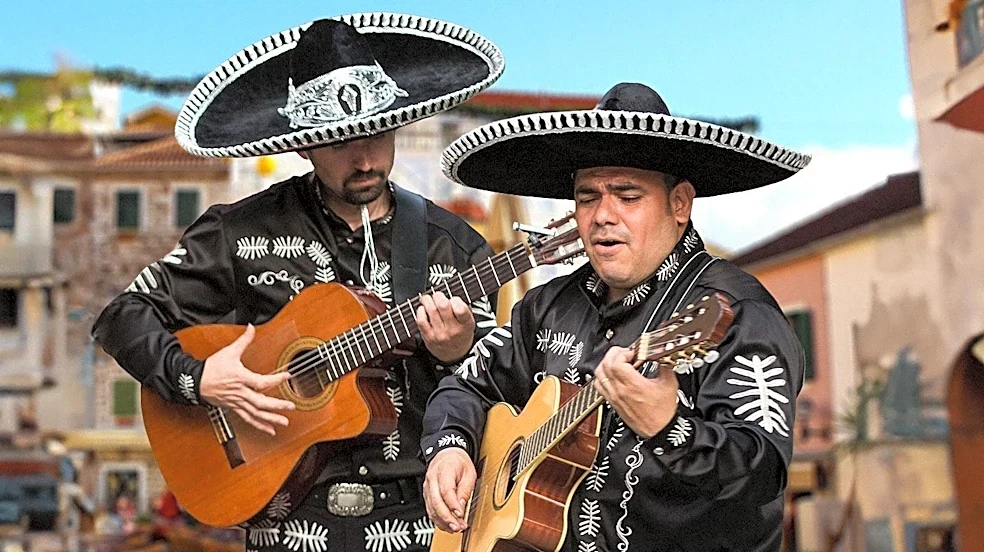
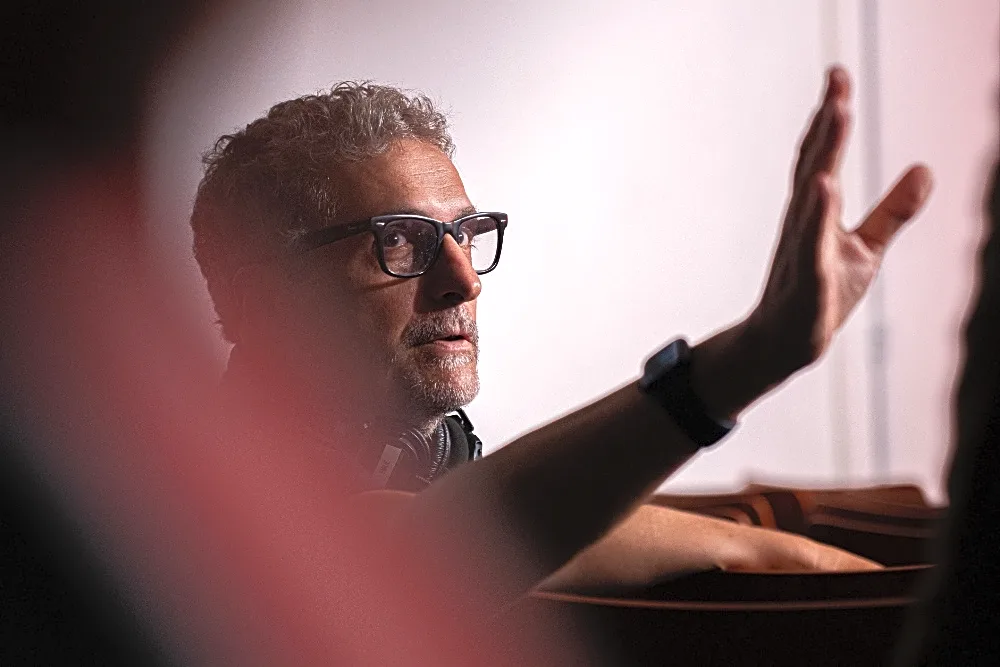
The University of Nevada, Las Vegas (UNLV) has launched a new minor program in mariachi, aiming to address the increasing demand for mariachi teachers and performers across the U.S., particularly in states with large Latino populations. Stephen Blanco,
the director of mariachi at UNLV, is leading this initiative, training students like violinist Axel Rodriguez Olivas. Rodriguez Olivas, who began learning mariachi in high school under Blanco, is now the first student to declare mariachi as his minor at UNLV. The program was established after Blanco observed the significant interest and demand for mariachi music during a music convention in California, realizing the need for formal education and training in the field. This development reflects a broader trend where mariachi classes are becoming popular in high schools, leading to a shortage of qualified instructors.
Why It's Important?
This new mariachi minor program at UNLV is significant for several reasons. Culturally, it elevates mariachi music from a background performance art to a celebrated main event, as noted by Blanco, fostering a deeper appreciation for traditional Mexican music within academic settings and the broader community. Educationally, it provides a structured pathway for students to pursue mariachi studies, addressing the current shortage of mariachi teachers in public schools, especially in areas like Clark County. For students like Rodriguez Olivas, the program offers not only academic and professional opportunities but also strengthens personal and familial connections to their Mexican American heritage. Economically, by training more mariachi professionals, the program supports the growth of mariachi-related industries, including performance, teaching, and cultural events, potentially creating new job opportunities and contributing to local economies.
What's Next?
The UNLV mariachi program is expected to continue expanding its reach and impact. With a steady demand for mariachi teachers, more students are likely to enroll in the minor, further solidifying its presence within the university's music department. The program's success could inspire other universities in regions with significant Latino populations to establish similar mariachi studies programs, creating a national network of mariachi education. Graduates of the UNLV program, such as Axel Rodriguez Olivas, are poised to become leaders in the mariachi community, whether as performers or educators, contributing to the preservation and evolution of this musical tradition. The increased availability of trained mariachi instructors will also likely lead to the establishment of more mariachi programs in K-12 schools, further integrating the art form into mainstream education.
Beyond the Headlines
Beyond its immediate educational and cultural impact, UNLV's mariachi minor program highlights a broader societal shift towards recognizing and institutionalizing diverse cultural arts. It challenges traditional academic curricula by formally integrating a non-Western musical tradition, promoting cultural inclusivity and diversity within higher education. This initiative also underscores the power of music as a tool for cultural preservation and identity formation, particularly for Mexican American communities. By providing academic legitimacy to mariachi, UNLV is not only training musicians but also fostering a deeper understanding and respect for the cultural heritage it represents. This move could set a precedent for other cultural art forms to gain similar academic recognition, enriching the educational landscape and promoting a more multicultural society.