



What's Happening?
Micron Technology has entered into a long-term Strategic Customer Agreement with Ford Motor Company to supply memory and storage solutions for Ford's next-generation vehicles. This partnership will see Micron expanding its DRAM production at its Manassas,
Virginia facility, which is part of a broader $200 billion investment plan in the United States. The Manassas facility, known for manufacturing long-lifecycle memory products for various sectors, will begin mass production of DDR4 and low-power DRAM (LPDDR4) memory products by the end of the year. This agreement is one of 16 Strategic Customer Agreements Micron has signed, as announced during its fiscal 2026 third-quarter earnings call.
Why It's Important?
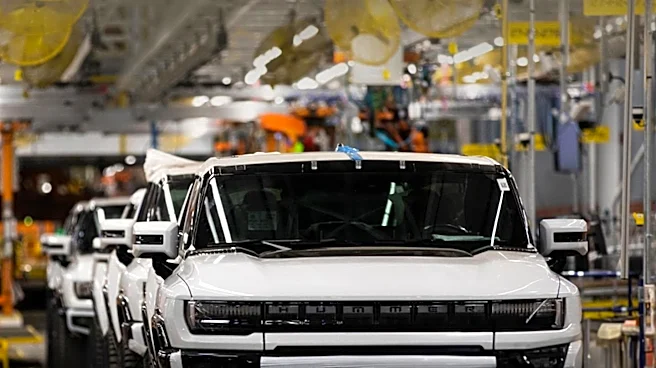
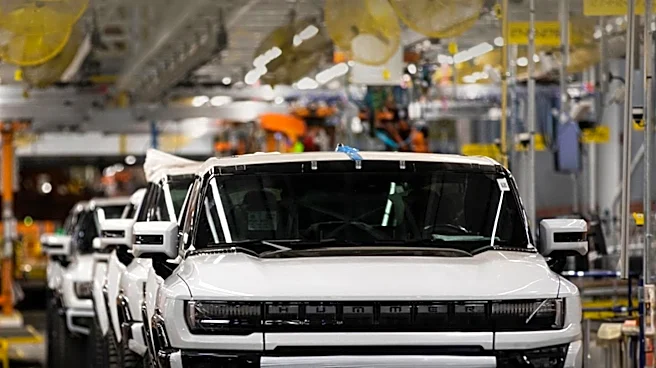
The agreement between Micron and Ford underscores the critical role of a stable supply chain in the automotive industry, particularly as vehicles become more technologically advanced. By securing a reliable supply of memory products, Ford can enhance the production of its next-generation vehicles, which are likely to feature more sophisticated electronic systems. This partnership also highlights the importance of domestic manufacturing and investment in skilled labor, as emphasized by Ford's CEO, Jim Farley. For Micron, this deal not only strengthens its position in the automotive sector but also aligns with its strategic expansion in the U.S., potentially boosting its market share and competitiveness in the memory chip industry.
What's Next?
Micron plans to complete the qualification of its 1α DRAM process at the Manassas facility by the end of the year, which will enable the mass production of advanced memory products. This development is expected to support Ford's vehicle production over the long term. As the automotive industry continues to evolve with increasing demand for advanced technology, the collaboration between Micron and Ford could set a precedent for similar partnerships. Stakeholders in the automotive and semiconductor industries will likely monitor this partnership closely, as it may influence future supply chain strategies and technological advancements.