

What's Happening?
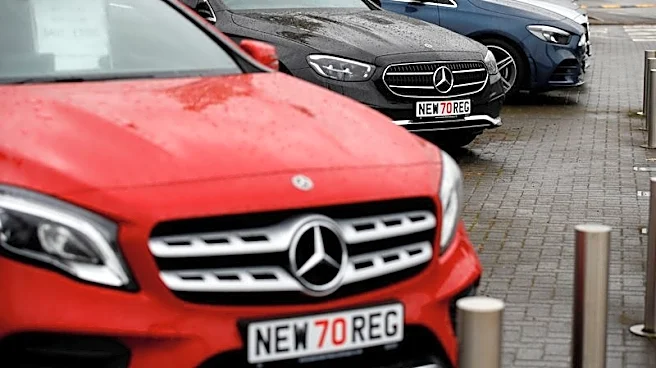
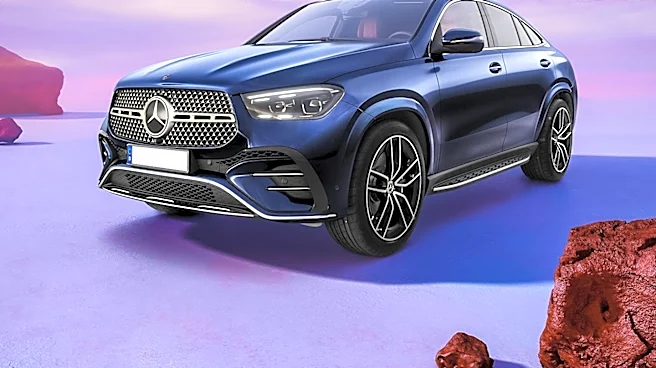
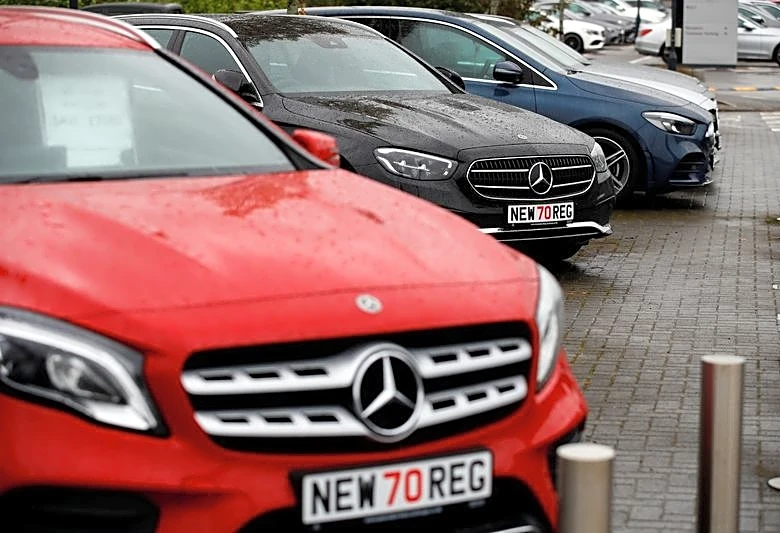
Mercedes-Benz is significantly reducing its vehicle offerings for the 2027 model year, eliminating several models and trim levels across its Benz, AMG, and Maybach brands. Among the confirmed discontinuations are the Mercedes-Benz and Mercedes-AMG EQE
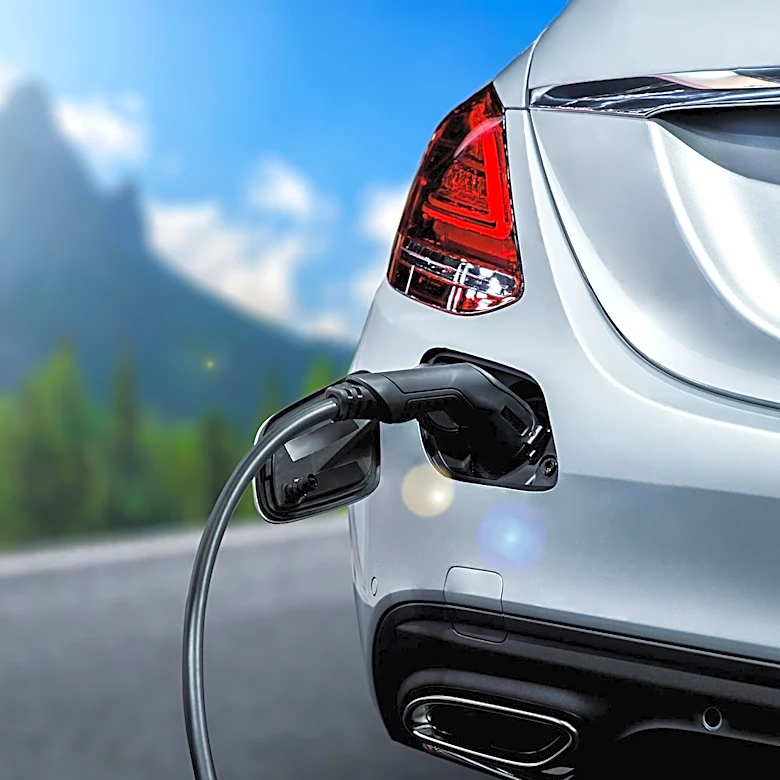
sedans, the Mercedes-AMG S63 E Performance, and the Mercedes-Maybach EQS SUV. This move reflects a strategic shift, particularly concerning electric vehicles, where Mercedes-Benz is moving away from distinct EV designs towards more traditionally styled electric variants of existing popular models like the C-class sedan and GLC-class SUV. The company had initially designed its EQ models to look entirely different from their combustion counterparts, a strategy it is now reversing. The future of the AMG C43 and C63 sedans also remains uncertain, as they were notably absent from the reveal of the refreshed C300, which is set to arrive as a 2027 model.
Why It's Important?
This streamlining by Mercedes-Benz signals a notable shift in the luxury automotive market, particularly in the electric vehicle segment. The discontinuation of dedicated EQ models like the EQE sedans suggests that the initial strategy of creating unique EV designs may not have resonated as strongly with consumers as anticipated. By integrating electric powertrains into more familiar body styles, Mercedes-Benz aims to leverage established brand recognition and design preferences, potentially accelerating EV adoption among its customer base. This could influence other luxury automakers to re-evaluate their own EV design strategies. For consumers, this means a more focused and potentially less confusing product lineup, but also fewer niche options. The move also highlights the ongoing evolution of performance models, with the AMG S63 E Performance being dropped, though there's speculation of a return with a pure V-8 engine, indicating a potential re-emphasis on traditional performance alongside electrification.
What's Next?
Mercedes-Benz is expected to continue its strategy of launching more traditionally styled electric variants of its popular C-class sedan and GLC-class SUV. While the Benz-branded EQS sedan and EQS SUV remain in the lineup for now, future replacements are likely to follow this new EV design philosophy. There is also anticipation regarding the potential return of the S63, possibly with a pure V-8 powertrain, which would mark a shift away from its current plug-in hybrid configuration. The company may also provide updates on the future of the AMG C43 and C63 sedans, which were conspicuously absent from recent announcements. These developments will likely shape Mercedes-Benz's market position and influence its competitive strategy against other luxury automotive brands in the coming years, as it navigates the transition to an increasingly electrified and evolving automotive landscape.
Beyond the Headlines
The decision by Mercedes-Benz to discontinue several models and trims, particularly in its EQ electric vehicle lineup, reflects a broader industry challenge in balancing innovation with market demand. The initial push for distinct EV aesthetics, while forward-thinking, may have alienated some traditional luxury car buyers who prefer the classic Mercedes-Benz design language. This pivot towards integrating electric powertrains into familiar models suggests a pragmatic approach, prioritizing market acceptance and brand continuity over radical design departures. This could set a precedent for how other legacy automakers approach their EV transitions, potentially leading to a more conservative design evolution across the industry. Furthermore, the potential return of a pure V-8 S63 hints at the ongoing tension between electrification goals and the enduring appeal of high-performance internal combustion engines for a segment of luxury consumers, highlighting the complex path towards a fully electric future.