




What's Happening?
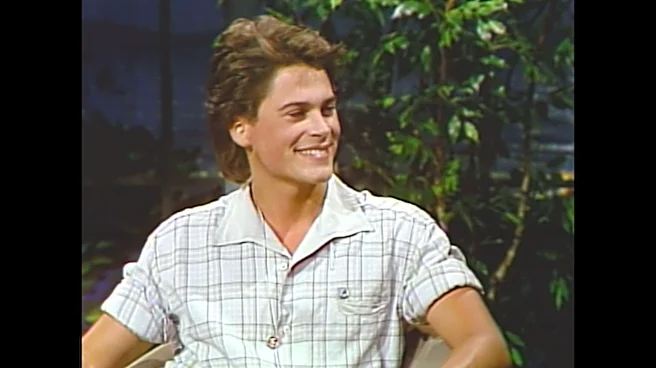
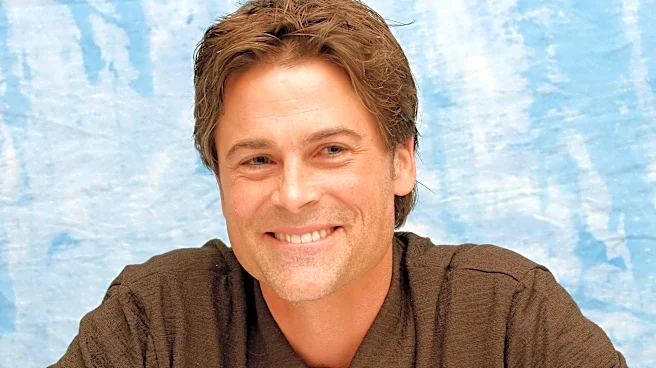
Actor Rob Lowe has disclosed the reasons behind his departure from the hit political drama 'The West Wing' in a new Netflix documentary, 'Rob Lowe: The Outsider'. Lowe, who played Deputy White House Communications Director Sam Seaborn, initially joined
the show at a significantly reduced salary, accepting half of his usual rate because he believed in the quality of the work. Despite the show's success and critical acclaim, Lowe's salary remained at $75,000 per episode, the same amount he started with. In contrast, his co-star Martin Sheen saw his salary triple to $300,000 per episode, and other cast members like Allison Janney, Bradley Whitford, Richard Schiff, and John Spencer received substantial raises, moving from $30,000 to over $70,000 per episode with subsequent bumps. Lowe stated that everyone else received raises for the show's success, but he did not. He approached writer Aaron Sorkin, requesting two episodes specifically written for his character out of 22, citing a previous Emmy nomination for such an episode, but Sorkin declined, stating Lowe already had "pretty good stuff."
Why It's Important?
Rob Lowe's revelation highlights the often-opaque nature of salary negotiations and compensation disparities within the entertainment industry, even for established actors in successful productions. His experience underscores the potential for actors to feel undervalued despite their contributions to a show's success. The disparity in pay, where a lead actor's salary remains stagnant while others receive significant increases, can create a challenging work environment and ultimately lead to talent departures. This situation can impact production stability, cast morale, and potentially influence future contract negotiations across the industry. For audiences, understanding these behind-the-scenes dynamics provides insight into the business aspects of television production and the factors that can affect a show's longevity and cast composition.
What's Next?
Lowe's documentary, 'Rob Lowe: The Outsider,' is currently streaming on Netflix, allowing a broad audience to learn about his experiences. While Lowe returned for two episodes in the seventh and final season of 'The West Wing,' his candid discussion about his departure may prompt further conversations within the entertainment industry regarding fair compensation and the treatment of actors. This could potentially influence how future contracts are structured, particularly for ensemble casts in successful series. The documentary serves as a personal account, but its themes resonate with broader industry issues concerning talent retention and equitable pay.
Beyond the Headlines
Lowe's decision to leave 'The West Wing' was not solely about money but also deeply rooted in personal values and his role as a father. He explained that he felt compelled to stand up for himself to set an example for his sons, who were reaching an age where they would begin forming relationships. He questioned how he could advocate for them to walk away from situations where they were undervalued if he couldn't do it himself. This ethical dimension adds a layer of complexity to his departure, transforming it from a simple salary dispute into a matter of personal integrity and parental responsibility. It highlights how professional decisions, even in high-profile careers, can be profoundly influenced by personal principles and family considerations.