
What's Happening?
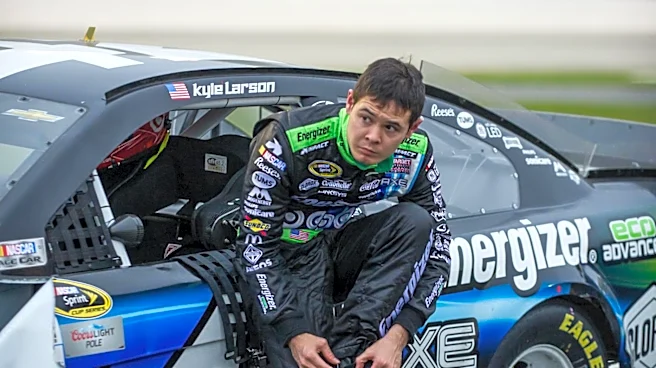
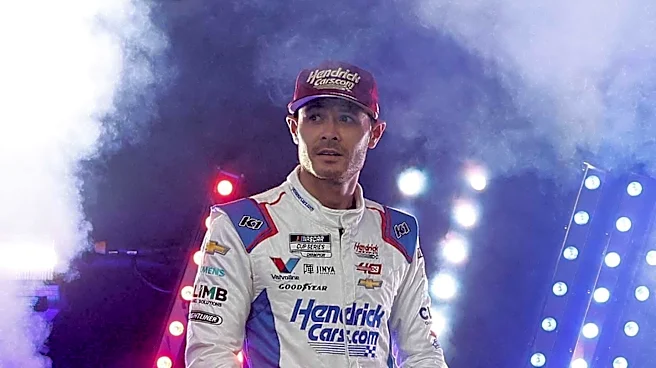
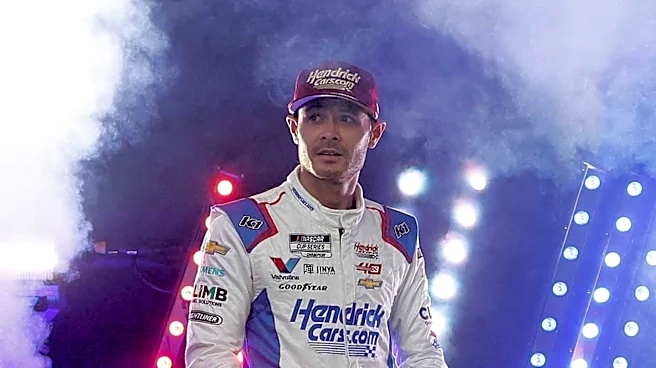
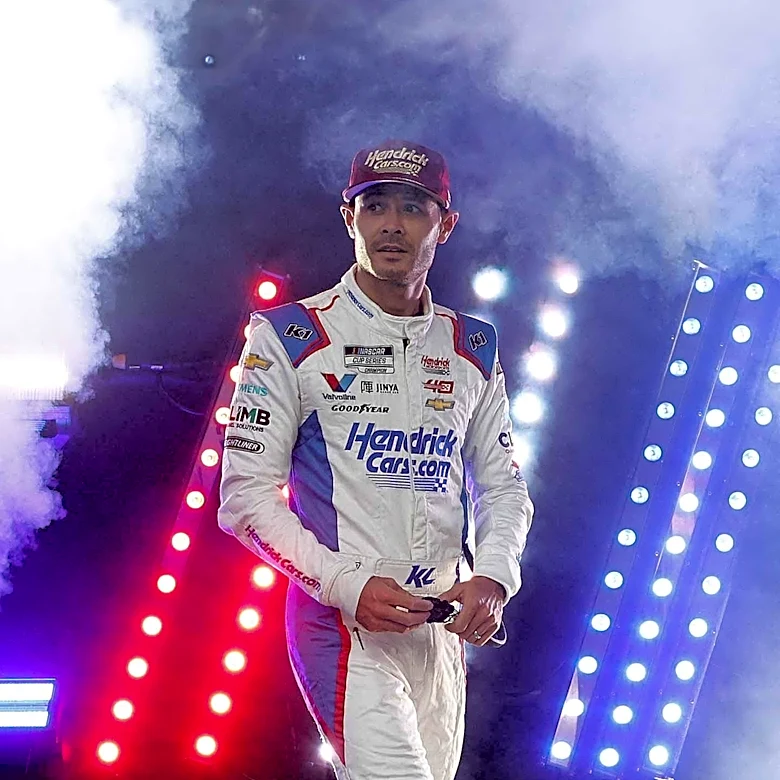
Kyle Larson clinched his third NASCAR Cup Series championship at Homestead-Miami, with the title effectively secured by the end of Stage 1 when Chase Briscoe's engine failure eliminated competitors Christopher Bell and Denny Hamlin from contention. Larson finished
12th in the race. This victory marks Larson as the first back-to-back champion since Jimmie Johnson. A pivotal moment in Hendrick Motorsports' successful season occurred months earlier during a team meeting. Rick Hendrick, instead of reprimanding his struggling teams, chose to alleviate pressure, fostering an environment of open communication and shared information. This strategic shift is credited with helping the organization overcome challenges with a new Chevrolet body and ultimately find increased speed, leading to Larson's championship run. Crew chief Cliff Daniels also secured his third title with Larson.
Why It's Important?
This championship highlights the critical role of leadership and team dynamics in high-performance sports. Hendrick's decision to prioritize candor and support over criticism during a period of underperformance demonstrates a management philosophy that can significantly impact team morale and problem-solving capabilities. The subsequent 'floodgate of shared information' within Hendrick Motorsports suggests that fostering an open environment can accelerate technical solutions, especially in engineering-driven sports like NASCAR where aero and balance are crucial. This approach not only secured a championship for Larson but also potentially strengthened the entire four-car program by encouraging data sharing and collaborative problem-solving. The success underscores that psychological factors and organizational culture can be as influential as technical prowess in achieving peak performance.
What's Next?
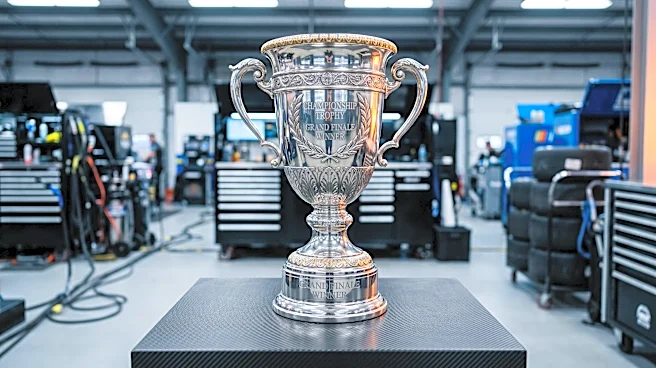
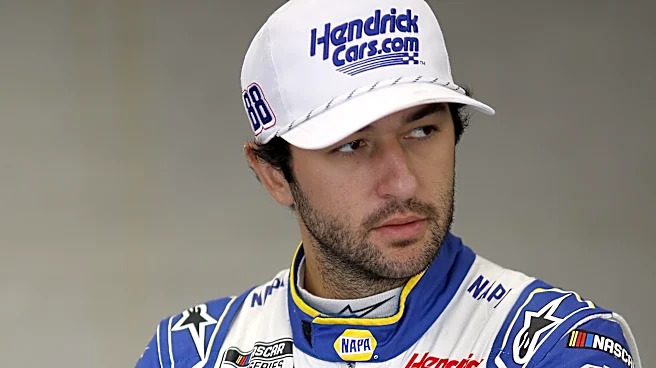
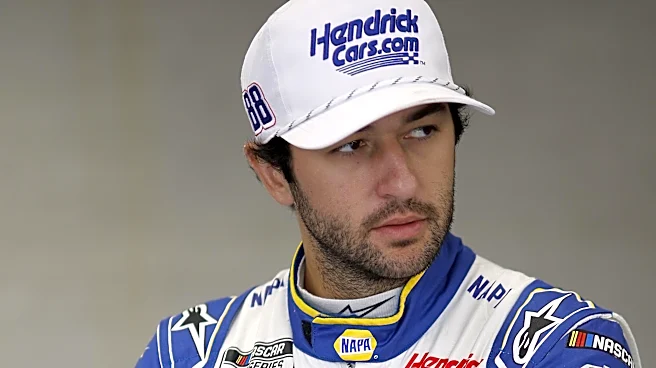
The immediate focus for Hendrick Motorsports will be to assess how evenly the performance improvements from their mid-season strategic shift have spread across all four teams. While Larson secured the title, the performance of other Hendrick drivers, such as Chase Elliott's challenging night at Homestead, indicates potential inconsistencies. The organization will aim to ensure that the cultural changes and technical solutions implemented translate into sustained speed and competitiveness for all its cars in the upcoming 2027 season. The effectiveness of Hendrick's culture in delivering speed for next year's car designs will be a key area to watch, as the trophy ceremony does not fully answer questions about future performance across the entire team.
Beyond the Headlines
The narrative of Hendrick Motorsports' championship run extends beyond mere race results, offering insights into organizational resilience and adaptive leadership. The decision by Rick Hendrick to scrap a planned reprimand in favor of a supportive approach illustrates a nuanced understanding of human psychology in a competitive environment. This move likely fostered a sense of psychological safety, allowing engineers and crew chiefs to openly discuss challenges without fear of reprisal, which is crucial for innovation and problem-solving. This case study could serve as a model for other sports organizations and even businesses facing performance plateaus, emphasizing that empowering teams through trust and open communication can unlock latent potential and drive significant turnarounds, rather than relying solely on punitive measures.