





What's Happening?
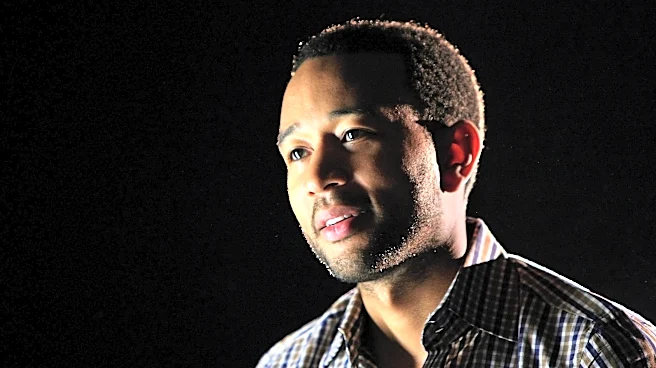
Ashton Kutcher's fraternal twin brother, Michael Kutcher, leads a life distinct from his celebrity sibling, focusing on advocacy and motivational speaking. Michael was diagnosed with cerebral palsy at a young age and faced a life-threatening battle with viral
myocarditis at 13, requiring a heart transplant. These experiences shaped his career path, leading him to work with organizations such as the Cerebral Palsy Foundation and Donate Life America. He travels across the country sharing his story to inspire children and families affected by disabilities. Ashton Kutcher has publicly credited Michael with teaching him empathy and resilience, emphasizing their unbreakable bond despite their differing life trajectories.
Why It's Important?
Michael Kutcher's story highlights the significant impact of personal health challenges on career and life choices, demonstrating how adversity can be transformed into advocacy. His work as a motivational speaker and advocate for cerebral palsy and organ donation brings crucial awareness to these medical conditions, potentially encouraging more people to become organ donors and supporting families dealing with similar diagnoses. For the U.S., his efforts contribute to public health education and community support networks. Ashton Kutcher's public acknowledgment of his brother's influence also underscores the importance of family support and the profound lessons that can be learned from individuals facing unique life circumstances, resonating with a broad audience.
What's Next?
Michael Kutcher is expected to continue his work as a motivational speaker and advocate, further expanding the reach of his message on cerebral palsy awareness and organ donation. His ongoing efforts will likely contribute to increased public understanding and support for these causes. The public platform provided by his brother, Ashton Kutcher, will continue to amplify his voice, potentially leading to more speaking engagements, partnerships with health organizations, and greater impact on policy discussions related to disability rights and healthcare. His story will remain a source of inspiration for many, reinforcing the idea that personal challenges can lead to meaningful contributions to society.
Beyond the Headlines
Michael Kutcher's narrative delves into deeper societal implications regarding disability, family dynamics, and the perception of success. His journey challenges conventional notions of achievement, demonstrating that a life dedicated to advocacy and service can be as impactful, if not more so, than one focused on celebrity and wealth. The contrast between the brothers' lives also prompts reflection on the role of privilege and circumstance in shaping individual paths. Michael's message of resilience and self-acceptance, particularly his statement to Ashton, 'Every time you feel sorry for me, you make me less,' offers a powerful perspective on living with a disability and the importance of empowering individuals rather than pitying them. This fosters a more inclusive and empathetic societal outlook.