








What's Happening?
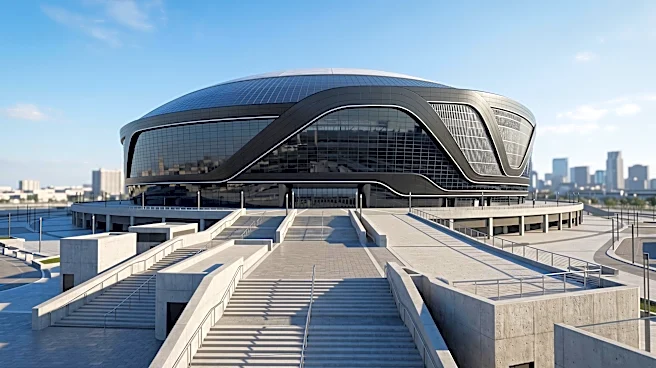
The Las Vegas Stadium Authority has approved $75 million in public funds to contribute to a $158 million upgrade project for Allegiant Stadium. The remaining $83 million for the project will be covered by the Las Vegas Raiders. The primary goal of these
upgrades is to improve access to the north entrance of the 65,000-seat stadium, which originally opened in 2020 at a cost of $2 billion. Raiders President Sandra Douglass Morgan noted that the north side of the building has become a 'pressure point' in the guest experience, with its infrastructure stretched to capacity. The planned enhancements include adding pedestrian and event decks, a plaza, and transportation improvements. The public funds will be sourced from surplus room tax revenue. Construction is slated to begin after the Raiders' season concludes, with an anticipated completion by late 2028 or before the 2029 Super Bowl, which Allegiant Stadium is scheduled to host.
Why It's Important?
This approval of public funds for Allegiant Stadium upgrades is significant for several reasons, primarily impacting the local economy and the long-term viability of Las Vegas as a premier event destination. Steve Hill, president and CEO of the Las Vegas Convention and Visitors Authority, emphasized that Allegiant Stadium is a 'critical community asset' that drives tourism, which in turn fuels the local economy. By investing in these upgrades, the city aims to maintain the stadium's competitive edge against five new stadiums expected nationwide, ensuring it continues to attract major events like the Super Bowl, college football national championship, and the Final Four. The Raiders' commitment to cover the majority of the project costs, along with their responsibility for future maintenance, protects the initial $750 million public investment made in the stadium's construction. This public-private partnership ensures that the venue remains a state-of-the-art facility, enhancing the visitor experience and securing future economic benefits for the region.
What's Next?
Following the approval, the next phase involves detailed planning and execution of the $158 million upgrade project for Allegiant Stadium. Construction is scheduled to commence after the current Raiders' season concludes, with a target completion date of late 2028 or prior to the 2029 Super Bowl. This timeline suggests a phased approach to minimize disruption to the stadium's busy event schedule, which includes Raiders games, UNLV football, other sporting events, and major concerts. Stakeholders, including the Las Vegas Stadium Authority, the Las Vegas Raiders, and the Las Vegas Convention and Visitors Authority, will oversee the project to ensure it meets the objectives of improving pedestrian access and overall guest experience. The successful completion of these upgrades is crucial for Las Vegas to maintain its status as a top destination for large-scale events, especially as new stadiums emerge across the country, increasing competition for hosting major championships and entertainment spectacles.
Beyond the Headlines
The decision to invest further public funds into Allegiant Stadium highlights a broader trend in urban development where sports venues are increasingly viewed as economic engines rather than mere recreational facilities. The use of surplus room tax revenue for these upgrades underscores the symbiotic relationship between tourism and infrastructure investment in Las Vegas. This continuous reinvestment is critical for cities aiming to remain competitive in the lucrative market of hosting major events, which generate significant revenue through tourism, hospitality, and local spending. However, it also raises questions about the ongoing financial responsibilities of public entities in supporting privately owned sports franchises and the long-term sustainability of such partnerships. The emphasis on improving the 'guest experience' reflects a growing understanding that modern stadiums must offer more than just a game; they must provide a comprehensive, seamless, and enjoyable experience to attract and retain visitors, thereby maximizing their economic impact on the community.