



What's Happening?
Southern Company (NYSE:SO) announced higher net earnings and earnings per share for the September quarter, attributing the growth to favorable weather conditions, increased retail sales, and a growing customer base across its Southeast service area. The
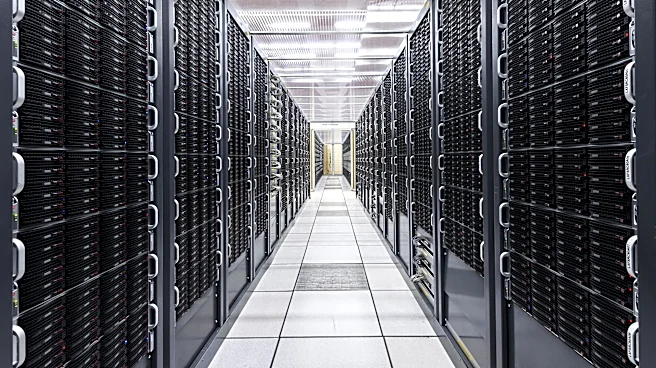
Atlanta-based utility also highlighted a significant surge in electricity demand, primarily fueled by data centers. The company reported that net earnings and earnings per share rose from the previous year, with adjusted earnings showing an even stronger increase after excluding items like accelerated depreciation from wind repowering and costs associated with early debt retirement. Chairman, president, and chief executive Chris Womack, along with chief financial officer David Poroch, discussed these results with the financial community. Year-to-date results also showed an increase in net earnings and earnings per share on both reported and adjusted bases, with operating revenues rising solidly for the quarter and year-to-date. The company noted that steady growth from its regulated utilities contributes to predictable earnings.
Why It's Important?
The reported earnings growth for Southern Company underscores the robust economic activity and population expansion in the U.S. Southeast. The significant increase in electricity demand, particularly from data centers, signals a major shift in energy consumption patterns and highlights the critical role utilities play in supporting the digital economy. This trend necessitates substantial investment in new generation capacity and grid infrastructure, which could lead to increased capital expenditures for Southern Company and potentially impact consumer rates, subject to regulatory approvals. The company's ability to meet this rising demand responsibly will be crucial for regional economic development and technological advancement. Furthermore, the leadership changes announced, including Kim Greene becoming president of Southern Company Operations and Stan Connally taking over as chairman, president, and chief executive of Georgia Power, indicate strategic adjustments to navigate this evolving energy landscape and ensure operational efficiency and long-term growth.
What's Next?
Southern Company anticipates continued strong growth in electricity demand, driven by data centers and other large customers, which will necessitate substantial investments in power plants and grid infrastructure in the coming years. The company expects this capital spending to support growth in its regulated earnings, contingent on approvals from state regulators. Key indicators to watch include ongoing electricity sales growth, the sustained demand from data centers, the company's capital spending plans, regulatory outcomes regarding these investments, and overall earnings growth. The newly announced leadership changes, effective early next year, will likely influence the company's strategic direction in addressing these challenges and opportunities. Stakeholders will be monitoring how Southern Company balances the need for heavy investment with maintaining affordable rates and reliable service in a rapidly expanding region.
Beyond the Headlines
The surge in electricity demand from data centers presents a multifaceted challenge and opportunity for utility companies like Southern Company. Beyond the immediate financial implications, this trend raises broader questions about energy policy, infrastructure resilience, and environmental sustainability. The need for substantial new generation and transmission capacity could accelerate the transition to cleaner energy sources if investments are directed towards renewables, or it could prolong reliance on traditional fossil fuels depending on regulatory frameworks and economic incentives. The concentration of data centers in the Southeast also highlights regional economic development disparities and the potential for increased strain on local resources. Furthermore, the integration of technology and AI strategy under the chief legal officer's expanded role suggests a growing recognition of the complex legal and ethical considerations surrounding advanced technologies within the energy sector, including cybersecurity and data privacy.