





What's Happening?
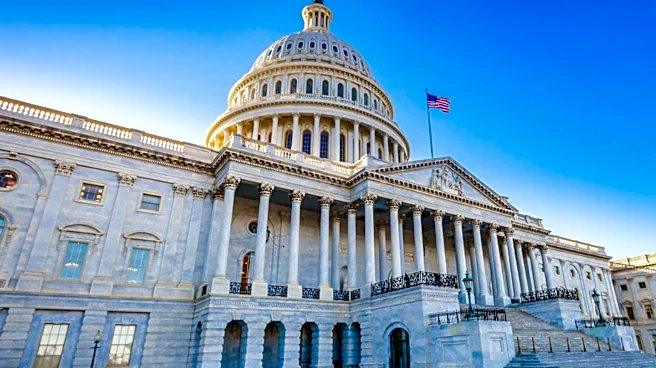
The U.S. House of Representatives has passed H.R. 1013, the Retirement Fairness for Charities and Educational Institutions Act of 2025. This legislation aims to address the disparity in investment options between 401(k) and 403(b) retirement plans. Specifically,
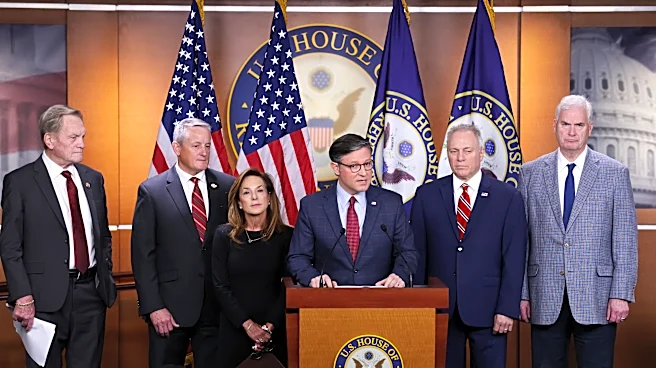
the bill will allow 403(b) plans to invest in collective investment trusts (CITs) and insurance company separate accounts. Mike Flood, senior vice president of the Center for Capital Markets Competitiveness at the U.S. Chamber of Commerce, stated that this bill ensures teachers, nurses, and nonprofit employees have access to the same range of retirement investment options available to other American workers who save through 401(k) accounts. The U.S. Chamber of Commerce has commended the House members for passing this legislation, emphasizing its role in expanding investment choices for American retirement savers.
Why It's Important?
This legislative action is significant for a substantial segment of the American workforce, particularly those employed in the nonprofit and educational sectors. By enabling 403(b) plans to access collective investment trusts and insurance company separate accounts, the bill levels the playing field for retirement savers in these fields. Historically, 401(k) plans have offered a broader array of investment vehicles, potentially leading to better diversification and higher returns for participants. The expansion of options for 403(b) plans could lead to improved retirement security for teachers, nurses, and other nonprofit employees, allowing them to better manage their savings and potentially achieve more robust growth. This move could also encourage greater participation in 403(b) plans, as the enhanced investment flexibility makes them more attractive. For financial institutions, this opens up new avenues for offering investment products to a previously underserved market segment within the retirement planning landscape.
What's Next?
Following its passage in the House, the Retirement Fairness for Charities and Educational Institutions Act of 2025 will proceed to the Senate for consideration. If passed by the Senate and signed into law, the legislation would then be implemented, allowing 403(b) plan administrators to begin offering the expanded investment options. This would necessitate adjustments in investment product offerings from financial service providers and potentially require educational outreach to plan participants regarding the new choices available to them. The U.S. Chamber of Commerce and other advocacy groups will likely continue to monitor the bill's progress and advocate for its full enactment to ensure that the intended benefits for retirement savers are realized.
Beyond the Headlines
The passage of this act reflects a broader trend towards harmonizing retirement savings options across different employment sectors. It highlights an ongoing effort to ensure equitable access to financial tools and opportunities, regardless of an individual's profession. Beyond the immediate financial implications, this legislation could foster greater financial literacy and engagement among 403(b) participants as they gain more control and choice over their retirement investments. It also underscores the influence of advocacy groups like the U.S. Chamber of Commerce in shaping legislative outcomes that impact economic policy and individual financial well-being. The move could also set a precedent for future legislative efforts aimed at standardizing and improving retirement savings mechanisms across various plan types.