




What's Happening?
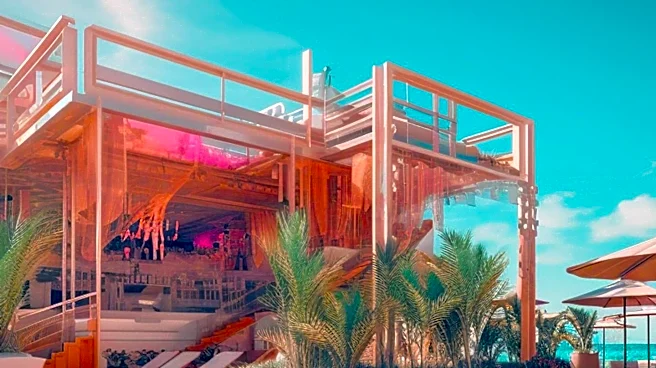
Jacquemus, the French fashion label, has expanded its presence in the luxury hospitality sector by taking over prominent beach clubs in Bodrum, Turkey, and Monte-Carlo. At the Blue Beach Club in Bodrum's Mandarin Oriental, Jacquemus has infused Paradise
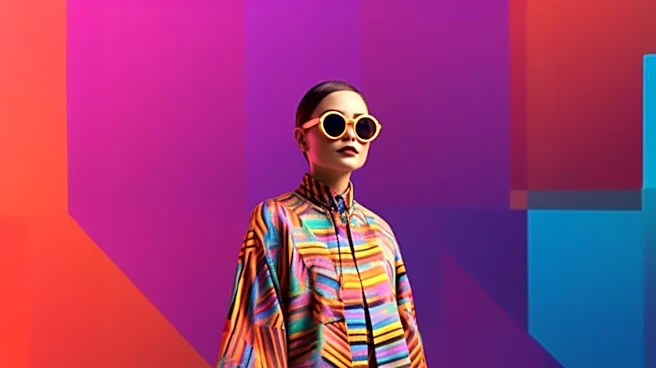
Bay with its distinctive monochrome stripes, applying the aesthetic to loungers, parasols, paddleboards, and even beach games. This initiative aims to create an immersive brand experience, making the location feel like a direct extension of a Simon Porte Jacquemus campaign. Similarly, the brand has returned to Monte-Carlo Beach, where it has adorned the legendary pier and Pool Cafe with soft powder-blue stripes, evoking Riviera nostalgia with a contemporary touch. These takeovers are part of a broader trend where luxury fashion brands are transforming beach clubs into temporary, highly curated showcases for their aesthetics and lifestyle offerings, blurring the lines between resort, restaurant, and fashion destination.
Why It's Important?
This strategic move by Jacquemus highlights a significant trend in the luxury market where fashion brands are moving beyond traditional retail to create immersive lifestyle experiences. By transforming high-profile beach clubs, Jacquemus is not only enhancing brand visibility but also cultivating a deeper connection with its target demographic through experiential marketing. This approach allows the brand to showcase its aesthetic in a tangible, aspirational setting, influencing consumer perception and desire for its products. For the hospitality industry, these collaborations bring an elevated sense of exclusivity and design, attracting a clientele that values both luxury accommodation and high fashion. This trend also signifies a shift in how luxury brands engage with consumers, prioritizing curated environments and memorable experiences over conventional advertising, ultimately impacting brand loyalty and market positioning.
What's Next?
The success of these Jacquemus-branded beach club takeovers is likely to encourage other luxury fashion brands to pursue similar experiential marketing strategies. Consumers can anticipate more collaborations between high-end fashion labels and luxury hospitality venues, particularly in popular vacation destinations. This could lead to an increase in themed resorts, pop-up experiences, and exclusive events that blend fashion, dining, and leisure. For Jacquemus, these ventures could pave the way for more permanent hospitality projects or expanded product lines that cater to a luxury lifestyle beyond clothing and accessories. The fashion and hospitality industries will likely continue to innovate in creating integrated experiences that offer consumers a holistic brand immersion, further blurring the lines between product and lifestyle.
Beyond the Headlines
The trend of luxury fashion brands integrating into hospitality spaces like beach clubs reflects a deeper cultural shift towards experience-driven consumption. In an increasingly digital world, physical, immersive experiences offer a unique value proposition that cannot be replicated online. These branded environments serve as powerful marketing tools, transforming vacation spots into aspirational lifestyle statements and providing highly 'Instagrammable' content that amplifies brand reach through social media. This strategy also taps into the desire for exclusivity and curated aesthetics among affluent consumers, offering them a sense of belonging to a particular lifestyle. The ethical implications could involve the commercialization of leisure spaces, potentially making luxury experiences less accessible and more uniform, as brands seek to replicate successful models globally. This also raises questions about the authenticity of such experiences versus their commercial intent.