






What's Happening?
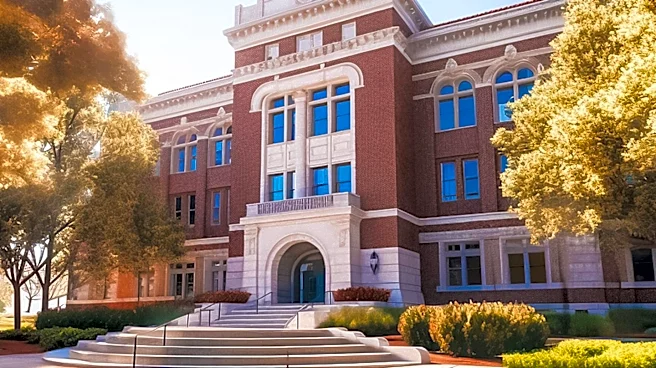
New Line Cinema's iconic 1984 horror film, "A Nightmare on Elm Street," utilized John Marshall High School in Los Angeles as a filming location for its high school scenes. This same campus was later used 14 years later for the 1998 teen comedy "Can’t
Hardly Wait," which portrayed the fictional Huntington Hillside High. In "A Nightmare on Elm Street," the school serves as the setting where dream murderer Freddy Krueger targets teenagers. Conversely, "Can’t Hardly Wait" depicted a much less sinister environment, focusing on the antics of graduating students. This practice of reusing prominent filming locations is common in the film industry, with various schools, mansions, and natural landscapes appearing in multiple productions.
Why It's Important?
The shared use of John Marshall High School by New Line Cinema for "A Nightmare on Elm Street" and later by another production for "Can’t Hardly Wait" highlights the practical and economic considerations in film production. For studios, utilizing existing, versatile locations can significantly reduce costs and logistical complexities compared to building elaborate sets. This practice also demonstrates the transformative power of filmmaking, where the same physical space can be imbued with vastly different atmospheres and narratives through direction, lighting, and storytelling. For audiences, recognizing these recurring locations can create an interesting layer of intertextuality, subtly connecting disparate films and showcasing the behind-the-scenes realities of movie magic. It underscores how a location's inherent aesthetic qualities can be adapted to serve diverse genre requirements, from horror to comedy.
What's Next?
The continued practice of reusing filming locations suggests that iconic sites like John Marshall High School will likely appear in future productions. As the film industry evolves, the demand for cost-effective and visually appealing backdrops remains constant. Location scouts will continue to identify and utilize versatile sites that can be adapted to various narrative needs. This trend also implies that audiences might increasingly recognize these recurring locations, potentially leading to more discussions and analyses of their significance across different films. Furthermore, the historical context of these locations, such as their appearance in classic films like "A Nightmare on Elm Street," can add a layer of prestige and appeal for new productions seeking to leverage established cinematic history.
Beyond the Headlines
The phenomenon of shared filming locations, exemplified by New Line Cinema's use of John Marshall High School, delves into the deeper cultural and psychological aspects of cinematic experience. It reveals how our perception of a space can be profoundly shaped by the narratives it hosts. A school that once evoked terror in "A Nightmare on Elm Street" can later become a symbol of youthful exuberance in "Can’t Hardly Wait," demonstrating the malleability of meaning in visual storytelling. This practice also subtly reflects the economic realities of Hollywood, where efficiency and resourcefulness are key. It encourages viewers to look beyond the immediate narrative and appreciate the craft of filmmaking, where every element, including location, is a deliberate choice contributing to the overall artistic and commercial outcome. It also highlights the enduring architectural and aesthetic appeal of certain structures that make them timeless backdrops for diverse stories.