






What's Happening?
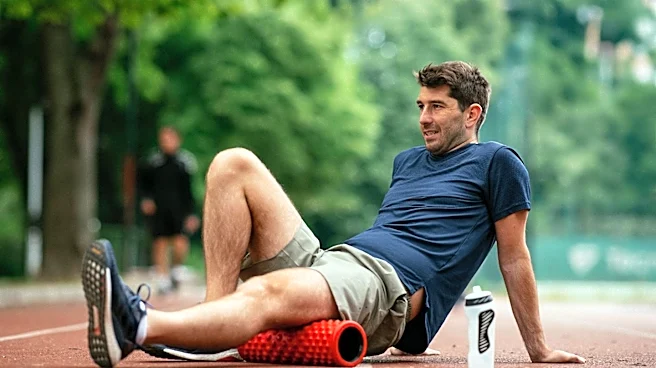
Active recovery involves engaging in low-intensity physical activities between more strenuous training sessions. These activities, such as walking, easy cycling, swimming, and mobility work, are designed to accelerate the clearance of metabolic byproducts
that accumulate during intense exercise. By promoting blood flow to muscles, active recovery helps deliver nutrients and remove waste, thereby reducing post-exercise soreness, specifically Delayed Onset Muscle Soreness (DOMS), and enhancing the overall recovery process. This approach contrasts with complete rest, emphasizing gentle movement to facilitate physiological restoration. Examples of active recovery extend beyond structured exercise to include activities like nature walks and cooking nourishing meals, highlighting a holistic view of recovery.
Why It's Important?
The integration of active recovery into fitness routines is crucial for optimizing physical performance and long-term health. For athletes and active individuals, it means faster recuperation, allowing for more consistent and effective training. By reducing DOMS, active recovery minimizes downtime and discomfort, which can otherwise hinder adherence to exercise programs. Furthermore, it plays a significant role in maintaining fat oxidation, a key metabolic process, and supports overall physiological recovery. This approach can lead to improved athletic longevity and reduced risk of injury by preventing overtraining and chronic inflammation. For the general public, understanding and implementing active recovery can make exercise more sustainable and enjoyable, fostering a healthier lifestyle.
What's Next?
As awareness of active recovery benefits grows, there is likely to be an increased emphasis on incorporating these methods into structured fitness programs and personal wellness routines. Fitness professionals and trainers may further integrate active recovery sessions into client plans, moving beyond traditional rest days. Research could continue to refine specific active recovery protocols, identifying optimal intensities, durations, and types of activities for various sports and individual needs. The development of wearable technology and fitness apps may also offer more personalized guidance for active recovery, helping individuals track their recovery metrics and suggest appropriate low-intensity activities. This trend suggests a shift towards a more nuanced understanding of rest and recovery in physical training.
Beyond the Headlines
The concept of active recovery challenges the conventional wisdom that complete rest is always the best approach after intense physical exertion. It highlights a deeper understanding of the body's physiological processes, particularly how gentle movement can actively aid in repair and regeneration. This shift in perspective has broader implications for how society views physical activity and recovery, moving towards a more dynamic and integrated approach to health. Ethically, it promotes a more sustainable and less punishing view of fitness, encouraging individuals to listen to their bodies and prioritize well-being over relentless intensity. Culturally, it could foster a greater appreciation for diverse forms of movement and self-care as integral components of a healthy lifestyle, rather than just focusing on high-impact workouts.